Zero Tax for 114 Giants, but Bigger Savers Bleed the Treasury More
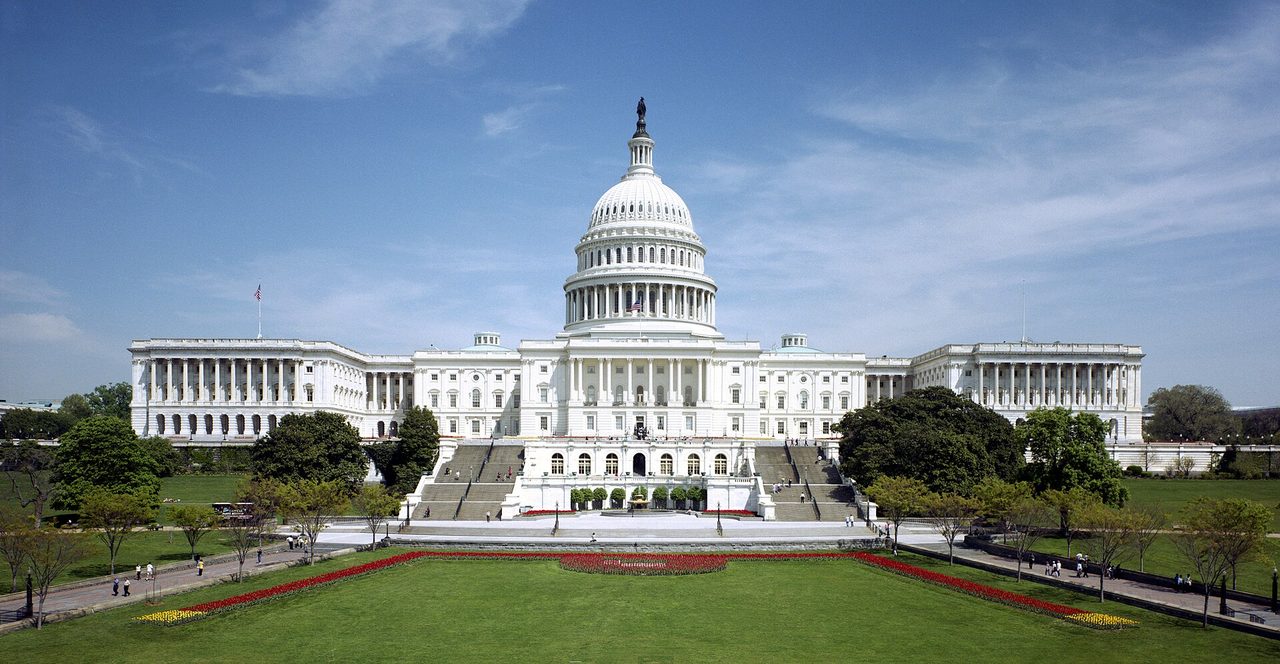
Photo: Architect of the Capitol / Public domain · via Wikimedia Commons
Zero Tax for 114 Giants, but Bigger Savers Bleed the Treasury More
706 giants paid a record-low 10.4 percent
The 706 large profitable U.S. corporations covered in a new Institute on Taxation and Economic Policy (ITEP) report earned a combined $1.88 trillion in domestic profits in 2025 yet paid current federal income taxes equal to just 10.4 percent of those profits, less than half the 21 percent statutory rate. It is the lowest rate ITEP and its predecessor project have documented in more than four decades, below the 11.2 percent recorded in 1982 after President Reagan's first tax cuts and the 11.3 percent in 2018 after President Trump's first tax law.
114 paid nothing, including Tesla and Disney
Of the 706 companies, 114 paid no current federal income tax at all in 2025. The names include Tesla with $5.7 billion in profits, Walt Disney with $8.3 billion, CVS Health with $8 billion, Duke Energy with $5.5 billion, Citigroup with $4.4 billion, United Airlines with $4.3 billion, and DoorDash. ITEP derived the figures from the companies' own annual financial reports.
The reduced-rate crowd is the bigger deficit threat
The headline zero-taxpayers are not the main drain on the Treasury, said Matt Gardner, ITEP senior fellow and co-author of the report. The 706 companies together saved $198 billion in 2025 through corporate tax subsidies, and the 114 that paid nothing account for only a fraction of that sum. A further 258 companies paid effective rates below 7 percent, less than one-third of the statutory rate; that group reported $683 billion in U.S. profits while paying an effective rate of just 1.7 percent.
Four giants pocketed about $69 billion
More than half of all the subsidies went to just 25 corporations. Alphabet led with about $19 billion in tax breaks, followed by Microsoft at $18.7 billion, Amazon at $17.4 billion, and Meta Platforms at $13.9 billion, a combined $69 billion for the four. Together with JPMorgan Chase and Nvidia, six companies accounted for roughly $83 billion. Technology firms as a group paid a 10 percent effective rate and collected $68.5 billion in subsidies; motor vehicle makers paid 2.7 percent, telecoms 6.7 percent, and aerospace companies 7.6 percent.
R and D expensing and bonus depreciation do the heavy lifting
The two breaks companies exploited most were immediate expensing of domestic research and development costs and 100 percent bonus depreciation for qualifying business assets. Both were extended and made permanent by the One Big Beautiful Bill Act signed in July 2025, which kept the 21 percent statutory rate in place. The companies have used the savings to help fund massive artificial intelligence infrastructure build-outs. ITEP federal policy director Steve Wamhoff said Congress keeps expanding breaks for already enormously profitable firms and should instead close the loopholes so large corporations pay a meaningful share of their profits.
Corporate receipts fell about $70 billion
Treasury Department data released earlier this month showed corporate income tax revenue of $381 billion for the fiscal year ended September 30, down about $70 billion or 15 percent, and down more than 25 percent since 2024 under former President Joe Biden. The report separately estimates the 2017 decision to cut the statutory rate from 35 to 21 percent saved these corporations another $263 billion. During the 2024 campaign, President Trump proposed cutting the rate further to 15 percent for companies manufacturing in the United States.
What comes next: close the loopholes or keep the spigot open
ITEP's verdict is that the corporate tax code is now more loophole than law. With the 2025 law locking the breaks in permanently, no rebound is in sight without new legislation; Senator Elizabeth Warren has already opened an inquiry into the AI-related tax breaks claimed by Amazon, Alphabet, Meta, and Microsoft. How the next budget round treats a corporate minimum tax and the breaks' permanent status will decide whether the curve keeps falling or finally bottoms out.
Bottom line: the 114 zero-taxpayers make the headlines, but the hundreds of giants paying reduced rates drive the deficit damage.
Sources
- Fortune: Tesla and 113 other companies paid no current federal income tax, but they still aren't the biggest threats to the federal deficit, think tank warns
- Institute on Taxation and Economic Policy: After Two Rounds of Trump Tax Cuts, Corporate America Paid Less Than Ever in 2025
- Common Dreams: Largest US Corporations Paid Lowest-Ever Tax Rate in 2025 Thanks to Trump and GOP: Study