Four Days Out: Trump Rallies Florida as Michigan Democrats Feud in Public
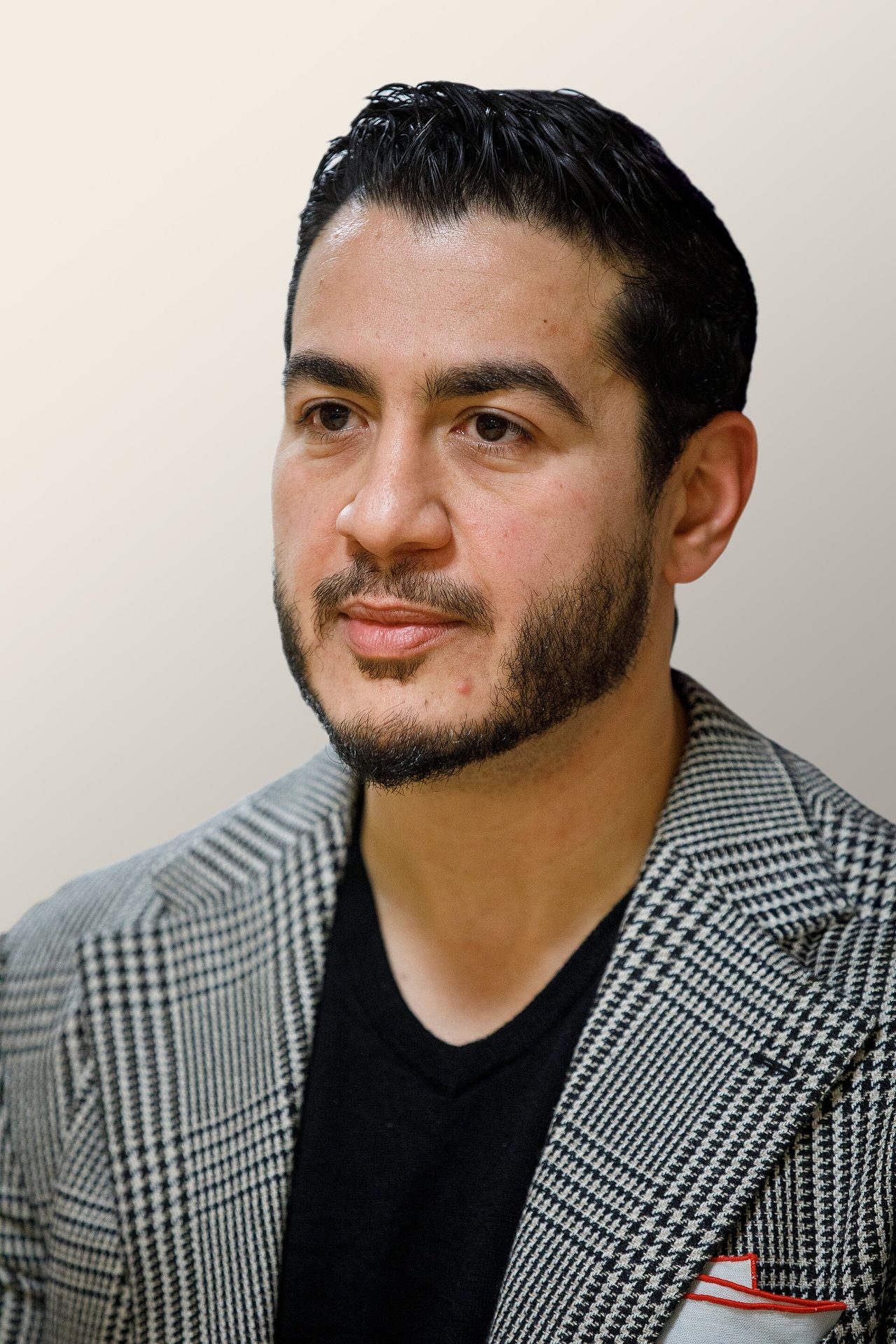
Photo: Kenneth C. Zirkel / CC BY-SA 4.0 · via Wikimedia Commons
Four Days Out: Trump Rallies Florida as Michigan Democrats Feud in Public
Trump headlines Daytona rally in election homestretch
With Election Day set for Tuesday, November 3, both parties made their closing pitches on Friday, October 30. President Donald Trump rallied Republicans at the Ocean Center in Daytona Beach, Florida, while former President Bill Clinton campaigned for Democrats in Tupelo, Mississippi. Trump called the midterms "the most important midterm elections ever," urging supporters not to grow overconfident.
Florida ticket gets a prime-time boost
Doors opened at 3:30 p.m. ET and Trump was scheduled to take the stage at about 7 p.m. ET. He campaigned for Representative Byron Donalds, the Republican nominee for governor facing Democrat David Jolly, and Senator Ashley Moody, who is seeking election after being appointed to the seat once held by Marco Rubio. Moody faces state Representative Angie Nixon. Donalds mocked Jolly as a "fraud" and a "Jolly-come-lately," and Trump attacked Nixon as a "card-carrying member" of the Democratic Socialists of America. Protesters briefly interrupted the rally, and Trump told the crowd: "Bad things happen when you get too confident," asking them to pretend Donalds and Moody were "one point down."
Canceled Kansas and Iowa trips back on the schedule
The Republican National Committee had canceled Trump's weekend rallies in Kansas and Iowa, saying he would instead join tele-rallies. At Daytona, Trump said he would now hold rallies in both states on Sunday, November 1. The Florida stop followed another event a week earlier in Fort Myers with Donalds and Moody. Once a swing state, Florida has trended red, with reports noting Trump previously carried it by about 13 percentage points.
Early voting smashes the midterm record
A record 47,922,669 Americans had voted early by midday Friday, according to the University of Florida's Election Lab, surpassing the prior midterm record of 45.9 million in 2022. In the 27 states that record party affiliation, about 45 percent of roughly 16 million early voters were Democrats and about 31 percent were Republicans. The surge is broad: Harris County, Texas, had logged 862,700 early votes as of Wednesday, compared with 564,500 at the same point in 2022; Tennessee's first eight days ran 57 percent ahead of 2022; and more than 1.1 million New Yorkers had already voted.
Michigan unity event overshadowed by open sniping
In Michigan, where Democrats had hoped a bruising August Senate primary was behind them, the feud between nominee Abdul El-Sayed and Representative Haley Stevens dominated headlines. El-Sayed narrowly defeated Stevens in the primary, and the two have not campaigned together or spoken in months. El-Sayed's campaign asked Stevens to stay away from closing-days events so as not to "distract from the central issues." Stevens said she would instead join El-Sayed and South Carolina Representative Jim Clyburn at a get-out-the-vote event in a Detroit church on Sunday, November 1, aimed at Black voters in Wayne County.
A fiance's defection and a controversial ad
Tensions burst into the open when Stevens' fiance, Jason Turkish, told The Detroit News he would vote for Republican Mike Rogers. Stevens said they were a "household divided" but that she still backs El-Sayed. She demanded El-Sayed condemn an outside-group ad tying grocery prices to U.S. support for Israel and apologize for his own past statements on Israel, and asked him to take down a campaign ad featuring Tucker Carlson. Rogers, meanwhile, appeared with Texas Senator Ted Cruz at a Republican Jewish Coalition event in Birmingham, Michigan. Clyburn's Detroit appearance reflects the stakes: Black voters make up an estimated 11 percent of Michigan's electorate.
Control of Congress comes down to Tuesday
Clinton campaigned in Mississippi for Senate candidate Scott Colom, framing the midterms as a check on Trump's presidency. El-Sayed echoed that message, calling the race about control of the Senate and "putting a check on" Trump. With four days left, record early-vote totals, a reshuffled Trump travel schedule, and a fragile Democratic truce in Michigan all point to a high-turnout finish on November 3.
Sources
- CBS News: Abdul El-Sayed and Haley Stevens feud ahead of key Michigan Senate race
- Politico: El-Sayed campaign wants Stevens to stay away after day of back-and-forth sniping
- Barron's: US Midterm Early Voting Hits Record 48 Million
- South Florida Sun Sentinel: Trump seeks to mobilize support for Florida Republicans at rally in Daytona Beach
- ABC News: El-Sayed and Stevens to make rare joint appearance as Democrats seek unity in Michigan Senate race