Pasta, Rice or Potatoes? For Blood Sugar, Pasta Wins and Cooking Matters More
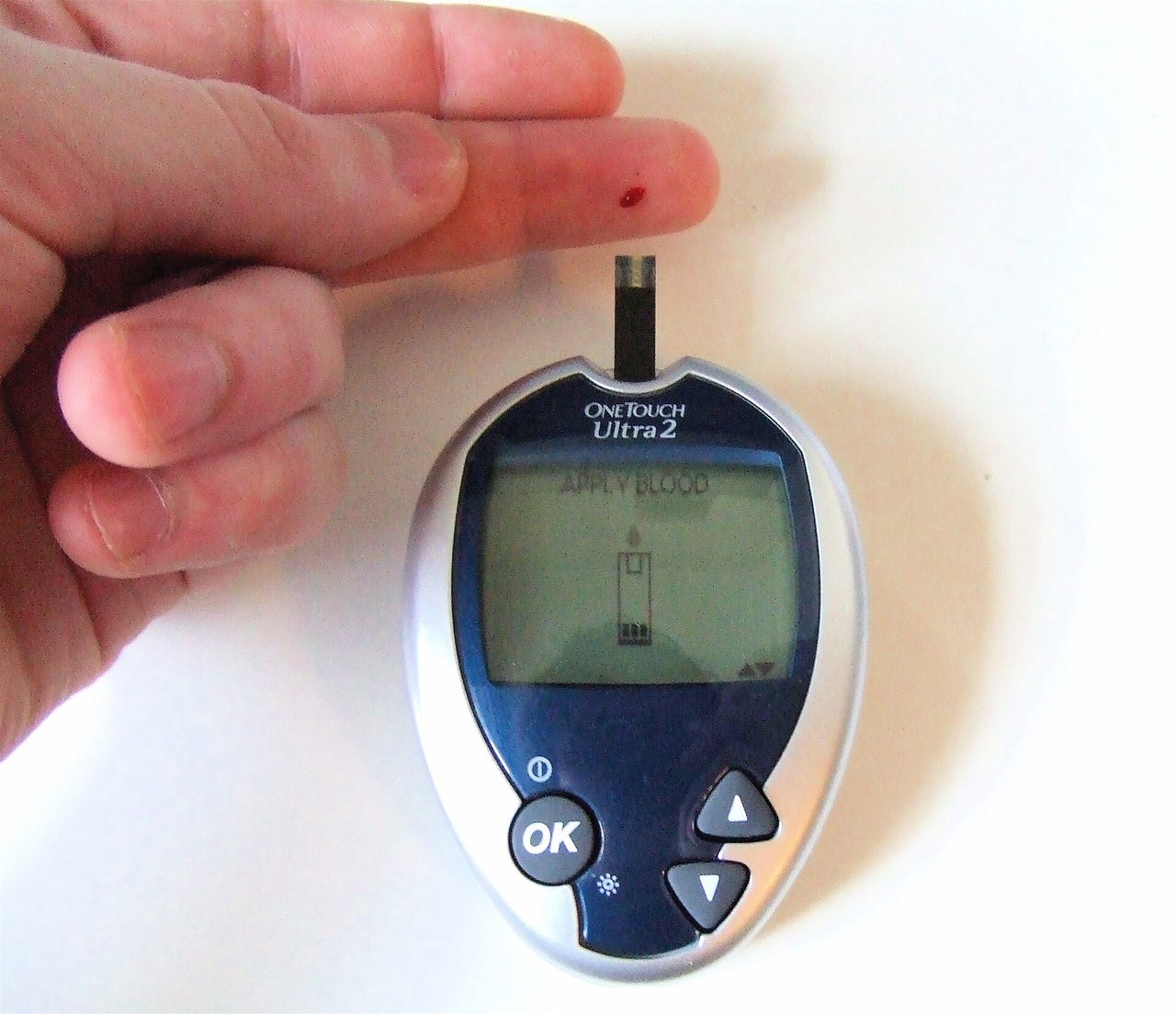
Photo: David-i98 (talk) (Uploads) / CC BY-SA 3.0 · via Wikimedia Commons
Pasta, Rice or Potatoes? For Blood Sugar, Pasta Wins and Cooking Matters More
Pasta Is Steadiest, Potatoes Spike Fastest
Staple foods do not treat blood sugar equally. Drawing on glycemic index data cited by US health media, pasta lands around 30 to 60, low to moderate; rice sits near 50 to 70, moderate; potatoes run about 70 to 90, high. A comparison table published by Health is more specific: mashed potatoes 87, baked potatoes 93, white rice 80, brown rice 52, white pasta 59, whole-wheat pasta 45. Ranked by speed of the spike alone, potatoes are fastest and pasta slowest.
Two Yardsticks: Glycemic Index and Glycemic Load
The glycemic index scores foods from 0 to 100, with below 55 considered low and above 70 high, measuring how fast the same amount of carbohydrate raises blood sugar. But portion size matters too, which is where glycemic load comes in: 10 or less is low, 20 or more is high. In Health's data, white rice carries a glycemic load of 36 per serving, the highest of the group, versus 19 for a baked potato, 17 for mashed potatoes and 18 for whole-wheat pasta. Potatoes spike fast, yet a big bowl of white rice often delivers the larger total blood sugar burden.
Potatoes: Fresh and Fried Is the Worst Combo
The problem with potatoes is preparation, not nutrition. ScienceDaily, reporting on a study in The BMJ, found that three weekly servings of potatoes overall were linked to a 5% higher rate of type 2 diabetes, while three servings of french fries were linked to a 20% higher rate; similar amounts of boiled, baked or mashed potatoes showed no significant link. Swapping potatoes for whole grains was tied to lower diabetes risk, while swapping them for white rice raised it. A meta-analysis of cooking methods put refrigerated potatoes at a glycemic index of about 50.3, baked at 79.2 and fried at 83.1.
Rice: Switching to Brown Is a Small Win Worth Taking
Milling strips away the bran and germ, leaving white rice low in fiber and fast to digest. The Linus Pauling Institute tables at Oregon State University list boiled white rice at a glycemic index of 66 and boiled brown rice at 50. In Health's comparison, brown rice carries a glycemic load of 23, far below white rice at 36. For daily rice eaters, replacing part of the white rice with brown rice is the cheapest single step.
Pasta Wins on Structure; Whole-Grain and Legume Versions Win More
Pasta is gentle on blood sugar not because it is low in carbs but because manufacturing packs its starch into a dense structure that takes the body longer to break down. Health notes pasta contains more resistant starch and slowly digestible starch than bread or couscous. Health Chosun's English edition, citing the journal Nutrients and its analysis of 95 pasta products, reports an average glycemic index of 55 for refined-wheat pasta, 52 for whole-wheat and 46 for legume-based pasta. Firm al dente texture is the marker of a lower response; the softer the pasta, the faster the spike.
The Cook-and-Cool Trick: Leftovers Spike Less
Cooked starches eaten after cooling raise blood sugar less. Verywell Health explains that cooking then cooling pasta, rice or potatoes forms type 3 resistant starch, which ferments in the gut into short-chain fatty acids that improve insulin sensitivity. The meta-analysis confirms that preparing these foods the night before and reheating them can lower the glycemic index by up to 17 units, with most of the benefit surviving reheating. Potatoes and rice show the largest gains after 12 to 24 hours of refrigeration, though cooled rice must be chilled within an hour and eaten within 24 hours for food safety.
Who Should Act: People Managing Blood Sugar
For anyone watching blood sugar, the order is clear: push french fries and large servings of white rice down the list, and move whole-wheat pasta, legume pasta and brown rice up. The Times of India cites a trial in which a meal of 200 grams of white rice with lentils and vegetables raised glucose by about 36 mg/dL over three hours, while eating white rice combined with chicken, oil and vegetables produced a lower response than rice alone. People with diabetes or prediabetes should fit any staple swap into a plan agreed with their clinician or dietitian.
What Comes Next: Vegetables and Protein First
For most people, the plate around the staple matters more than which staple is chosen. Build each meal on vegetables, protein and healthy fats first, pick whole-grain versions of the staple, cook pasta al dente, and consider the cook-chill routine for rice and potatoes. Sweet potatoes follow the same logic: Health quotes dietitians putting boiled sweet potatoes at a glycemic index of about 41 to 50, versus 79 to 93 for roasted. Cooking method and pairing often outweigh the difference between the staples themselves.
Sources
- Health: Rice vs. Potatoes vs. Pasta: Which Is Better for Blood Sugar?
- Verywell Health: Rice vs. Potatoes vs. Pasta: Which Is Better for Blood Sugar?
- ScienceDaily: What scientists discovered about french fries and diabetes
- Health Chosun: K-Celeb Sunwoo Yongyeo's Pasta Habit Explained: How Starch Structure and GI Affect Post-Meal Blood Sugar
- The Times of India: Rice varieties with the lowest Glycemic Index and the right way to cook rice to reduce blood sugar spike