Gold Slides to One-Year Low as Silver Loses $50 in Inflation and Tech Rout
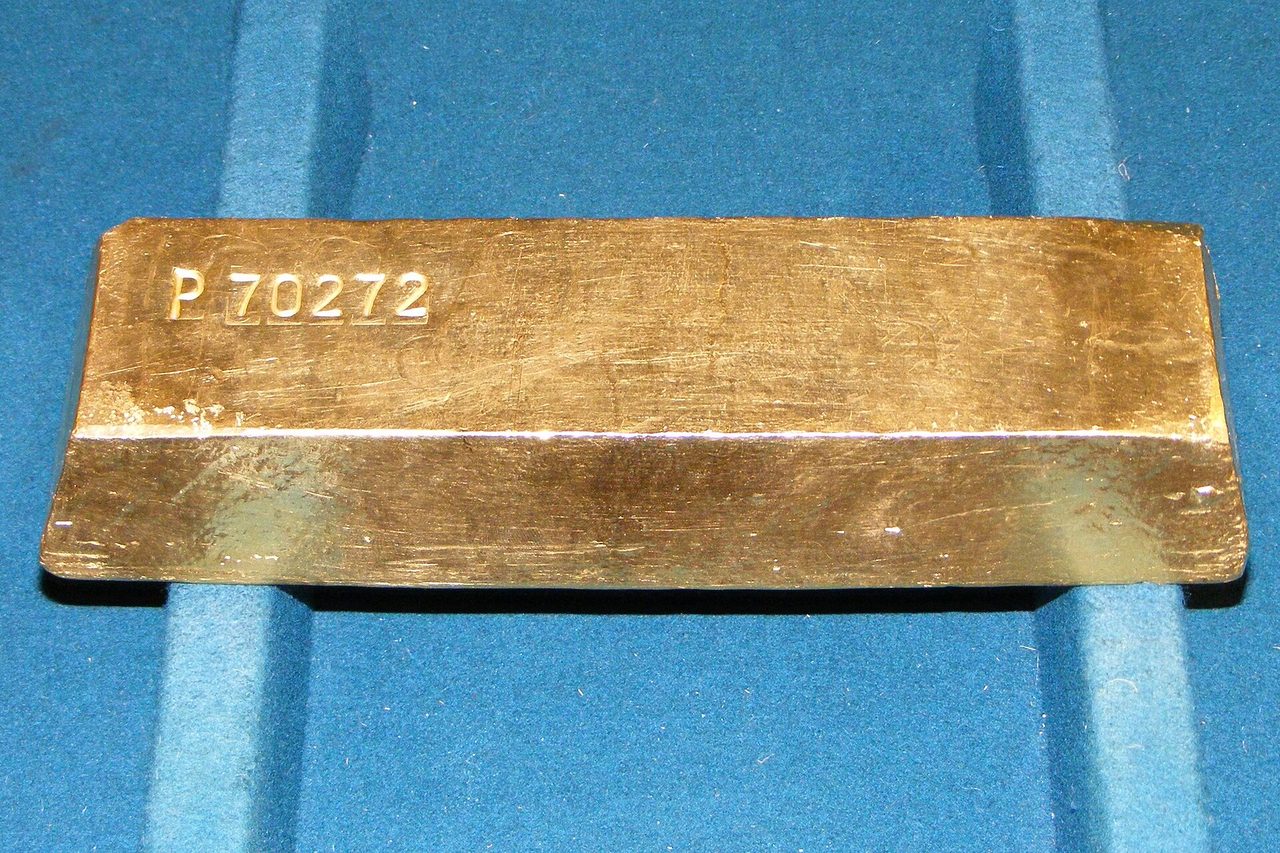
Photo: Szaaman / Public domain · via Wikimedia Commons
Gold Slides to One-Year Low as Silver Loses $50 in Inflation and Tech Rout
Gold breaks a one-year low as silver cracks $50
Spot gold fell as much as 3.1% to $3,897.09 an ounce on Friday, its lowest since October 2025, while spot silver slid about 6% to around $49, breaking below $50 for the first time in 11 months. U.S. gold futures for December delivery dropped 2.8% to $3,919.60. Palladium fell below $1,000 an ounce and platinum dropped to about $1,434. For October, bullion is down about 5.9% and headed for a second straight monthly loss; silver is down roughly 18% for the month, erasing everything gained since early December when a two-month rally once carried it above $120.
Hot GDP and oil revive December hike bets
The U.S. Commerce Department estimated third-quarter real GDP grew at a 3.4% annual rate, above the 3.2% consensus and the Atlanta Fed's 3.3% tracker. The Federal Reserve held its benchmark at 3.75%-4.00% on Oct. 28 by a 10-2 vote, with two dissenters favoring an immediate 25-basis-point hike and language upgraded to activity "expanding at a strong pace." Markets now price an 84.5% chance of a quarter-point increase in December, which would take the range to 4.00%-4.25%. UBS analyst Giovanni Staunovo said gold is being hit by "a combination of two factors, the US GDP data, which came in stronger than expected, and the increase in oil prices putting pressure on the Fed to hike further interest rates."
Hormuz tanker attack fuels energy-driven inflation fear
Crude jumped more than 2% after a tanker in the Strait of Hormuz was struck by explosive devices fitted to a small boat, reviving fears of supply disruption from the U.S.-Israeli war on Iran alongside Russia-Ukraine risks. Brent traded above $112 a barrel. Higher energy prices bolster the case that borrowing costs stay high for longer, a direct headwind for non-yielding bullion. High Treasury yields and a firmer dollar added pressure.
AI spending backlash drags everything down
Tech shares led the selloff on worries that hundreds of billions in AI spending will not deliver returns. Intel plunged about 28.6%, its worst drop since 1974, on weak revenue guidance; Nvidia fell 4.2%, Amazon fell around 1.4% after missing revenue and earnings, and Alphabet had just suffered a record 12%+ plunge that erased $500 billion after AI outlays turned free cash flow negative. The S&P 500 tumbled 1.8% to 7,580.07 for its worst day since June, the Nasdaq sank 2.9% to 25,437.00, and the Dow dropped 572 points to 51,770.31. The Nasdaq is down 5.3% for October, its worst month since March last year. Commerzbank analysts said forced selling and margin calls from the tech rout likely spilled into metals, calling the precious-metals fall exaggerated and expecting a recovery. Independent trader Tai Wong said: "The sky is falling. Metals will not be able to escape the gravity well of a nasty stock" selloff.
Miners sink faster than the metals
Mining equities also came under pressure. In India, MCX gold November futures fell 2.98% to Rs 136,762 per 10 grams and MCX silver December futures tumbled 5.27% to Rs 179,477 per kg. Saxo Bank's Ole Hansen said the slide pushed the gold-silver ratio to its highest since December, underscoring silver's vulnerability, with further technical liquidation potentially opening the mid-$40s.
What comes next: energy, PCE and the Fed
Traders see energy as the swing factor. Any escalation that lifts oil further would entrench inflation worries and December-hike bets; de-escalation and softer inflation prints could ease real yields and let oversold metals bounce. Silver sits about 25% below its 200-day moving average, the widest gap since the March 2020 liquidity crunch, leaving positioning extremely stretched in both directions.
Sources
- Seeking Alpha: Gold sinks to one-year low, silver slips below $50 on inflation concerns, tech selloff
- MINING.com: Gold price slumps to one-year low, silver price breaks $50 as mining stocks tank
- The Times of India: Gold hits one-year low, silver slips below $50 as inflation fears bite
- The Edge Malaysia: Gold hits one-year low, silver drops below US$50 as higher-for-longer rate view firms
- The Guardian: Tech sell-off drives US markets down by nearly $1tn after subpar earnings reports