Silver Flips Kansas to Lean D as Deep-Red Senate Seat Slips From GOP Grasp
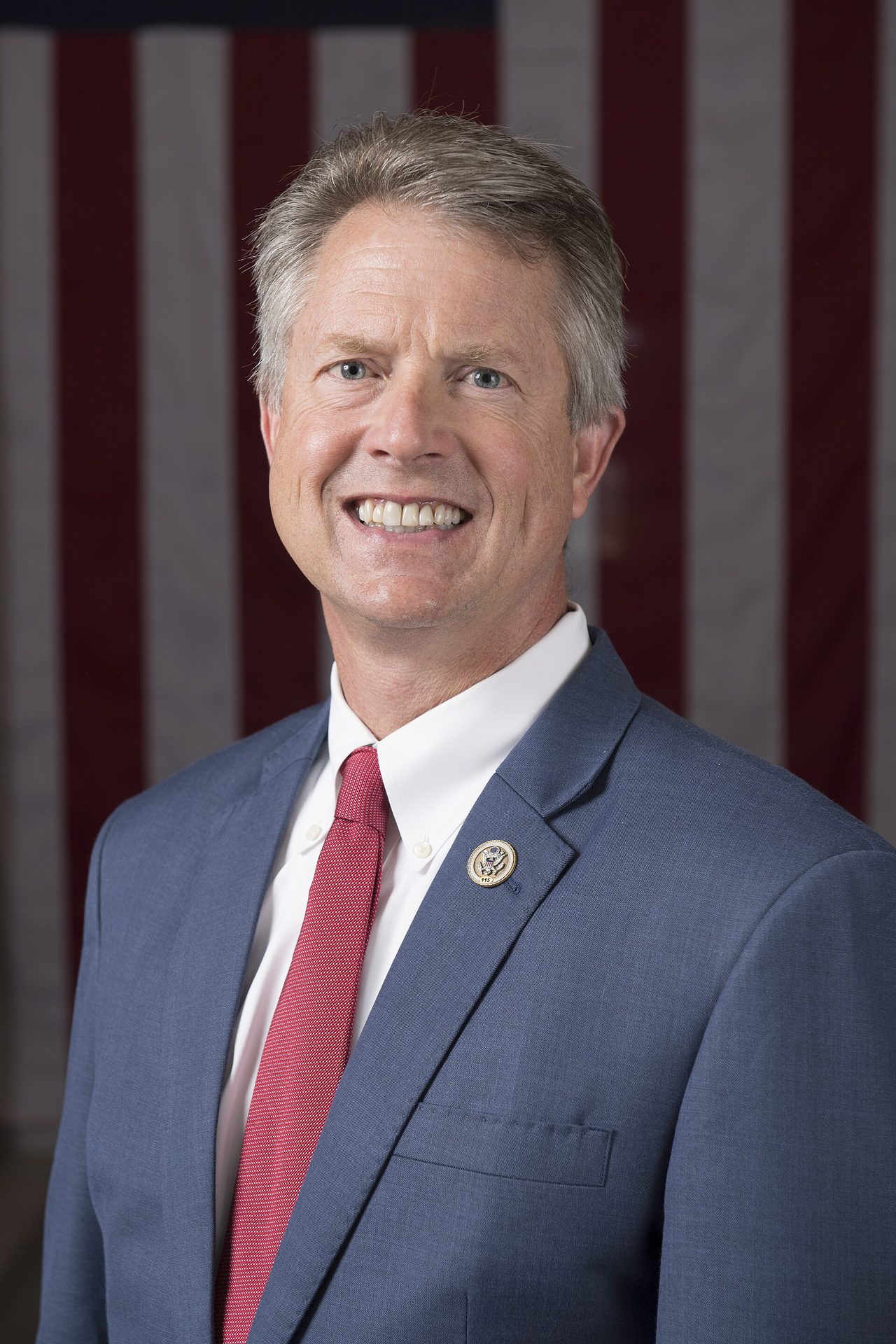
Photo: Eric Connolly, U.S. House Office of Photography / Public domain · via Wikimedia Commons
Silver Flips Kansas to Lean D as Deep-Red Senate Seat Slips From GOP Grasp
Silver makes the call: Kansas moves to Lean D
Nate Silver has shifted his rating of the Kansas Senate race from tossup to Lean D on his Silver Bulletin model, a striking turn in a ruby-red state that once looked safe for Republican Sen. Roger Marshall. It has been less than a month since Silver moved the contest from Lean R to tossup, underscoring how fast the ground has shifted under Marshall and his Democratic challenger, Adam Hamilton.
Three polls point the same way: Hamilton up four to nine
The final Emerson College Polling survey, conducted October 26 to 28 among 800 likely voters, put Hamilton at 49 percent and Marshall at 45 percent, with Libertarian David Graham at 3 percent and 3 percent undecided. When undecided voters were asked which way they lean, the margin widened to 50 percent to 47 percent. A CNN/SSRS poll conducted October 20 to 27 among 838 likely Kansas voters found the identical 49-to-45 split. A Washington Post-Schar School poll of 801 likely voters, conducted October 22 to 26, showed an even wider gap, with Hamilton ahead 52 percent to 43 percent.
Silver's average breaks for Hamilton, but markers disagree
Silver's own polling average now has Hamilton at 49 percent, up from 47.4 percent before the Emerson release, while Marshall sits just below 46 percent. Since September, Hamilton has gained four points, from 45 to 49 percent, while Marshall has gained only two, from 43 to 45 percent. Prediction markets are moving too: Hamilton's implied chance of winning rose from 41 percent to 47 percent in a single day. Not every forecaster has flipped, though. Decision Desk HQ, The Hill's election data partner, still gives Marshall a 58 percent chance of reelection and rates the race a tossup.
Ex-Republican pastor runs as the independent-minded Democrat
Hamilton, the senior pastor of a Kansas City-area megachurch and the leader of the country's largest United Methodist parish, is a former Republican running as what he calls an independent-minded Democrat. He has kept his distance from national Democrats, vowed not to back Chuck Schumer for majority leader, and called the Biden administration's border policies a disaster. Marshall, a physician seeking a second term, has leaned into his alliance with President Trump while needling his rival: he invoked Schumer 17 times during an hour-long debate, arguing Hamilton would fall in line once in Washington.
Final debate turns on the Iran war and diesel prices
The candidates' second and final debate, held October 21, was contentious. Hamilton blamed record fuel costs on an Iran war he called unnecessary and backed by Marshall, while Marshall countered that high diesel prices were the fault of Ukraine's war with Russia, echoing Trump's newly antagonistic posture toward Kyiv. The two also sparred over tariffs, health care, and housing. Days later, Trump canceled a planned campaign rally in Kansas as polling showed the incumbent trailing.
Senate control runs through Kansas
The stakes go far beyond one seat. Republicans hold a 53-47 Senate majority, and Democrats need to flip four GOP-held seats to take control. Kansas has not elected a Democratic senator since 1932, and Trump carried the state by 16 points in 2024. One analysis estimated that a Democratic win in Kansas would give the party roughly a 90 percent chance of winning the Senate. The Cook Political Report moved the race to a tossup in early October. With less than a week to Election Day, the reddest of states has become the cycle's most surprising battleground.
Discussion
When a candidate runs against their own party's brand, as Hamilton is doing in Kansas, should voters judge the person or the label they run under? How much weight do you give a candidate's independence from party leadership?
Sources
- The Daily Beast: Nate Silver Makes Huge Call in Must-Win MAGA State
- Emerson College Polling: October 2026 Kansas Poll: Hamilton Maintains Edge over Marshall in Toss-up Election
- CBS News: As Kansas Senate race tightens, Marshall argues opponent is just another Democrat, while Hamilton says he's "independent-minded"
- PBS NewsHour: Kansas Sen. Roger Marshall in debate blames Ukraine war, not Iran war, for high diesel prices
- WTOP: AP Decision Notes: What to expect in Kansas on Election Day – WTOP News