Trump Wanted to Lock the Clocks. America Is Falling Back Anyway
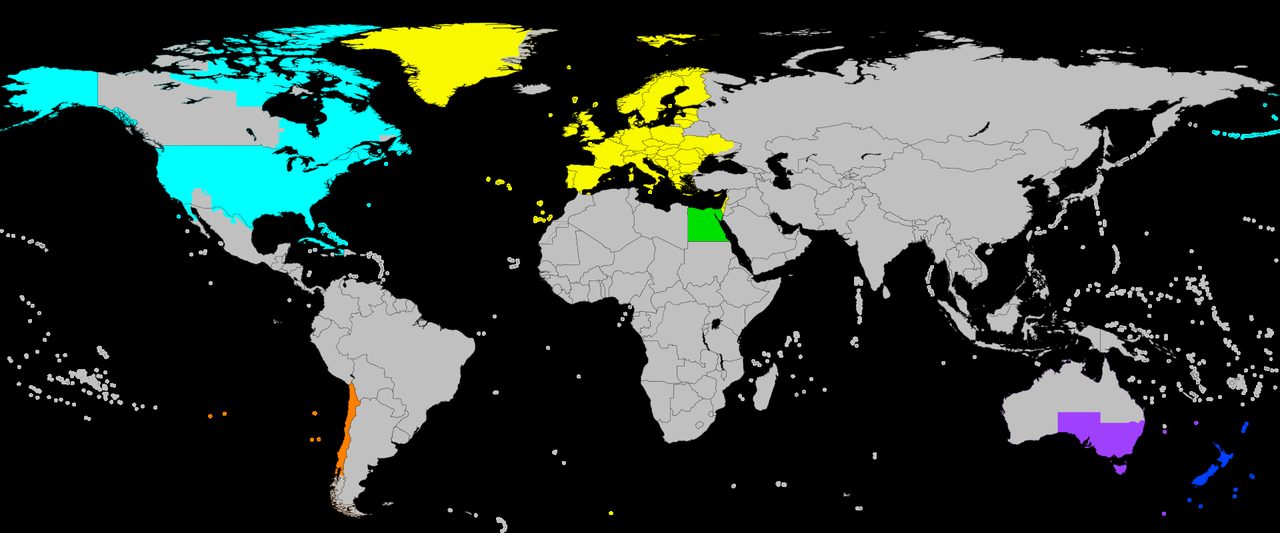
Photo: Heitordp / CC0 · via Wikimedia Commons
Trump Wanted to Lock the Clocks. America Is Falling Back Anyway
Clocks go back an hour at 2 a.m. Sunday
At 2 a.m. local time on Sunday, Nov. 1, clocks across most of the United States will turn back one hour to 1 a.m., ending daylight saving time and returning the country to standard time. Americans gain an extra hour of sleep overnight, but sunsets arrive noticeably earlier as winter approaches. Under current federal law, daylight saving time runs from the second Sunday in March to the first Sunday in November. This year that meant March 8 through Nov. 1, with the next spring forward scheduled for Sunday, March 14, 2027.
Trump pushed hard for permanent daylight saving time
President Donald Trump has repeatedly backed permanent daylight saving time and called for an end to the twice-yearly clock changes. On Oct. 3, he wrote on Truth Social that Sen. Tom Cotton, R-Ark., had for "reasons unknown" held up the legislation, and he published the senator's personal cellphone number, urging Arkansans to call and pressure him into making daylight saving time permanent.
The House acted in July; the Senate has not
The Sunshine Protection Act, which would make daylight saving time permanent nationwide while letting states opt out, passed the House in July with bipartisan support in a 308-117 vote and was sent to the Senate. The Senate has not voted on it. Senate Majority Leader John Thune, R-S.D., said earlier this month there was no clear path for a successful vote, and reporting notes the bill may struggle to clear the 60-vote threshold to overcome a filibuster. Senators adjourned until after the midterms, with no vote scheduled and the extended recess running to Nov. 6.
Three rival plans split Congress this year
Congress considered three approaches this year: permanent daylight saving time, permanent standard time, or keeping the current system. In July, a bipartisan "Sunshine for Our Kids Act" was introduced in the House calling for year-round standard time, with an option for states to adopt permanent daylight saving time instead. The split over which time to keep is one reason the effort has stalled.
Hawaii, most of Arizona and 19 waiting states sit this one out differently
Hawaii, most of Arizona outside the Navajo Nation, American Samoa, Guam, the Northern Mariana Islands, Puerto Rico and the U.S. Virgin Islands stay on standard time year-round and skip this weekend's change. Meanwhile 19 states have enacted laws to make daylight saving time permanent, but those laws cannot take effect until Congress changes federal law.
The cycle repeats next March unless the Senate moves
Without a change in federal law, the Nov. 1 fallback stands, and standard time will run through fall and winter until clocks spring forward again on March 14, 2027. Most phones and connected devices adjust automatically; appliance, vehicle and wall clocks need a manual fix. If you could lock the clock once and for all, which would you choose: permanent daylight saving time with brighter evenings, permanent standard time with brighter mornings, or keeping the twice-a-year switch? Have the darkening evenings ever changed your routine, and how?
Sources
- USA Today: Daylight saving time is ending soon. When do clocks fall back?
- ABC News: Daylight saving time 2026 ending: When to 'fall back'
- The Detroit News: Does daylight saving time end this weekend? No, but here's when
- The Hill: The 3 approaches to daylight saving time considered this year, and what happened to them
- Clarion Ledger: Which states don't observe daylight saving time?