Apple's 20th-Anniversary iPhone Could Be Its Biggest Redesign Since the iPhone X
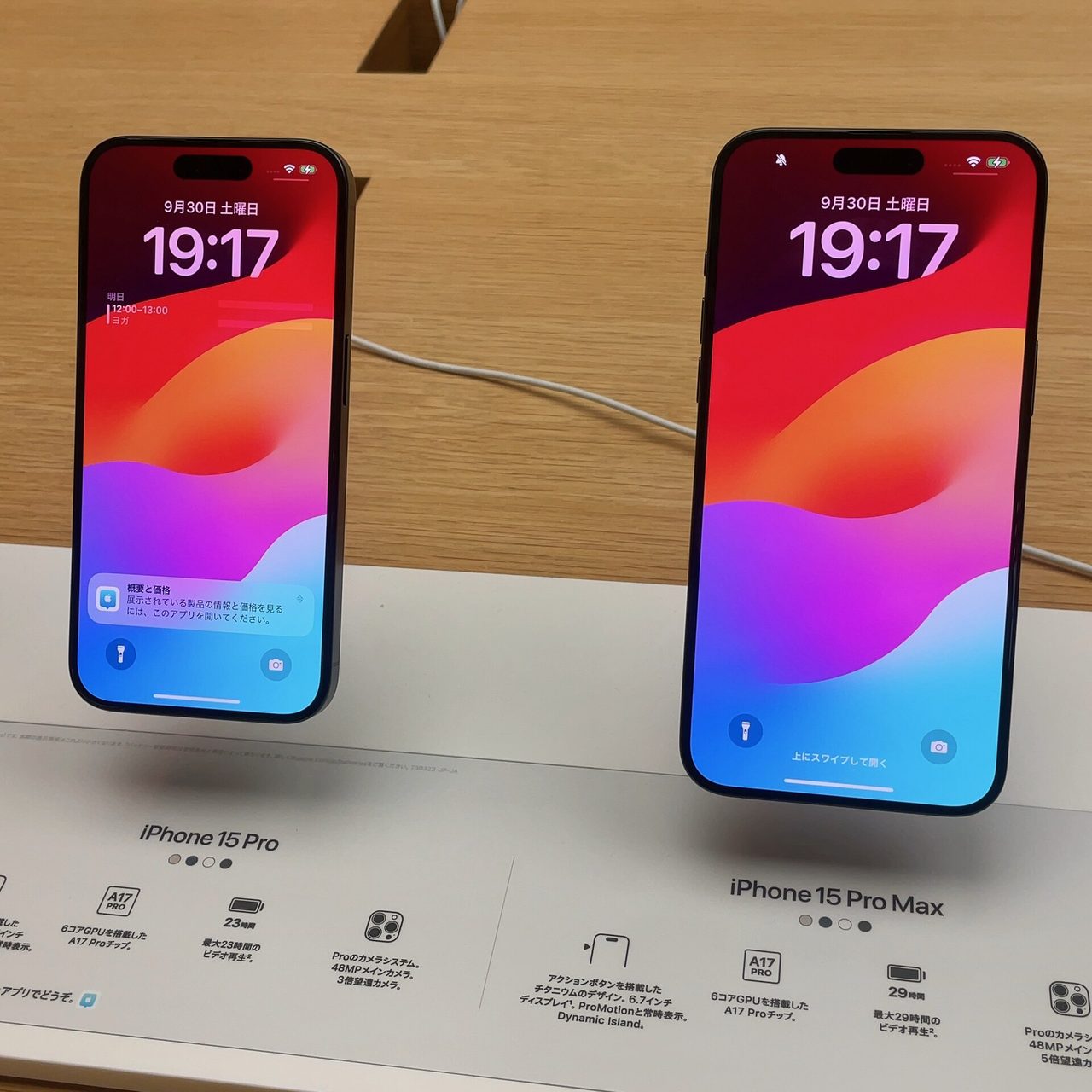
Photo: Kyu3 / CC BY-SA 4.0 · via Wikimedia Commons
Apple's 20th-Anniversary iPhone Could Be Its Biggest Redesign Since the iPhone X
A 20th-birthday iPhone, and the iPhone 19 may never exist
The premise is simple: 2027 marks 20 years since the original iPhone went on sale on June 29, 2007, and multiple outlets report that Apple plans to mark it with a phone called the iPhone 20 Pro lineup that September. The naming trick has precedent: in 2017 Apple skipped the iPhone 9 entirely to ship the iPhone X for the tenth anniversary. Spanish outlet Movilzona and Russian outlet iChip both describe the same playbook for 2027, with the iPhone 20 Pro and Pro Max launching in fall 2027 and cheaper models following later.
Glass on all four sides with a metal band in the middle
The most consistent rumor concerns the body. Bloomberg's Mark Gurman, as relayed by CNET, Beebom, and others, describes a mostly glass phone with panels curving over all four edges and only a thin metal band visible in the middle. Gurman calls it the biggest change to the Pro design since the iPhone X. A Weibo leaker, Fixed Focus Digital, adds that the curved glass derives from a modified version of the iPhone Air's manufacturing process, yielding a rounder, thinner device.
The notch question: under-display dream versus punch-hole reality
What happens to the cutout is genuinely disputed. The dream version hides Face ID and the selfie camera entirely below the display for a true all-screen front. The likelier 2027 compromise keeps Face ID under the panel but retains a small round punch hole for the front camera, with a smaller Dynamic Island. Beebom reports the two leaks directly conflict on whether the Island shrinks at all. Apple has confirmed nothing, and every version should be treated as rumor. One useful precedent: the foldable iPhone Duo, announced September 9, 2026 and on sale October 23, already hides its inner FaceTime camera under its 7.6-inch display.
Buttons may disappear into haptics that work while powered off
A second major change is solid-state buttons. CNET, citing Chinese tipster Instant Digital, reports Apple is testing touch-sensitive power, volume, Action, and Camera Control buttons that simulate a press with haptic feedback. The buttons are said to run on a dedicated low-power chip that registers presses even when the phone is fully switched off, and to have passed tests with gloves, wet hands, and extreme temperatures. Digit and Gizbot carry the same description and tie it explicitly to the sealed-glass design goal.
An A21 chip on second-generation 2nm, tuned for on-device AI
On silicon, reporting points to an A21 Pro built on TSMC's second-generation 2-nanometer process, a more mature version of the technology debuting in the A20 Pro inside the iPhone 18 Pro. Sportskeeda, citing Gurman, says the chip is engineered for low-latency on-device Apple Intelligence tasks. PhoneArena's spec comparison pages list the iPhone 20 Pro with an A21 Pro on 2nm running iOS 28, against the iPhone 18 Pro Max's A20 Pro on iOS 27. The chip name remains informed speculation rather than a confirmed leak.
Silicon batteries and a possible 200-megapixel camera
Two wilder rumors deserve separation from the core design story. On batteries, a 2025 ETNews report says Apple is studying pure silicon anode battery technology for the anniversary phone, and video-leak aggregators float a roughly 6,000mAh pack for the Pro Max that would be the largest ever in an iPhone; that number is thinly sourced. On cameras, Digit reports the iPhone 20 Pro series may move to a 200-megapixel main sensor, a claim Gizbot echoes with heavy qualification. Both belong in the hopeful pile for now.
The new rhythm: Pro in the fall, standard models the next spring
The launch cadence is the best-grounded part of the story because it is already happening. CNET, AppleInsider, 9to5Mac, and Forbes agree that Apple has split the lineup into two moments a year: the iPhone 18 Pro, Pro Max, and foldable iPhone Duo launched September 9, 2026, while the standard iPhone 18 and 18e move to February or March 2027. The 2027 anniversary phones are expected to follow the same pattern, with the iPhone 20 Pro series and a second-generation foldable in September 2027 and standard models later.
Apple has said nothing, and the extreme version is reportedly dead
Apple's official line is silence: none of this is confirmed, and even the final names are unknown. Gurman adds one deflationary detail carried by Beebom: Apple already scrapped a more extreme all-glass unibody concept over manufacturing challenges in favor of the glass-panels-plus-metal-band compromise. An investment-bank analyst cited secondhand goes further and claims the all-glass model was canceled over yields. Expect the exact form to keep shifting in the coming months.
Supply chains and Samsung feel the pressure first
The impact falls on two groups. First the supply chain: quad-curved OLED panels need new bending technology, which ETNews says suppliers are already working on, with Samsung named as a partner on equal-depth curved panels using Color Filter on Encapsulation. Yields will decide whether the under-display camera ships. Second, rivals: PhoneArena argues the Samsung Galaxy S27 Ultra could steal the spotlight in 2027 if Apple's most ambitious plans keep hitting walls. For buyers, the practical effect is timing: fall is now for Pro phones, with mainstream models waiting until spring.
Three things to watch before September 2027
Watch three things from here: whether under-display camera yields satisfy Apple, whether solid-state buttons survive production testing, and whether Apple really skips the iPhone 19 name. Gurman's timetable points to September 2027 for answers. Until Apple sends invitations, every specification above is a reported rumor, not a fact.
Sources
- CNET: Apple iPhone 20: A Radically Redesigned iPhone Coming in 2027?
- AppleInsider: All about iPhone 20
- Beebom Gadgets: Apple’s 20th Anniversary iPhone May Not Be the All-Screen iPhone We Expected | Beebom Gadgets
- PhoneArena: I’m confident the Galaxy S27 Ultra will steal the spotlight for the 20th anniversary of the iPhone
- 9to5Mac: Not upgrading to iPhone 18 Pro or Duo? Here’s what’s coming next year