The Daily Habits That Actually Support Your Immune System
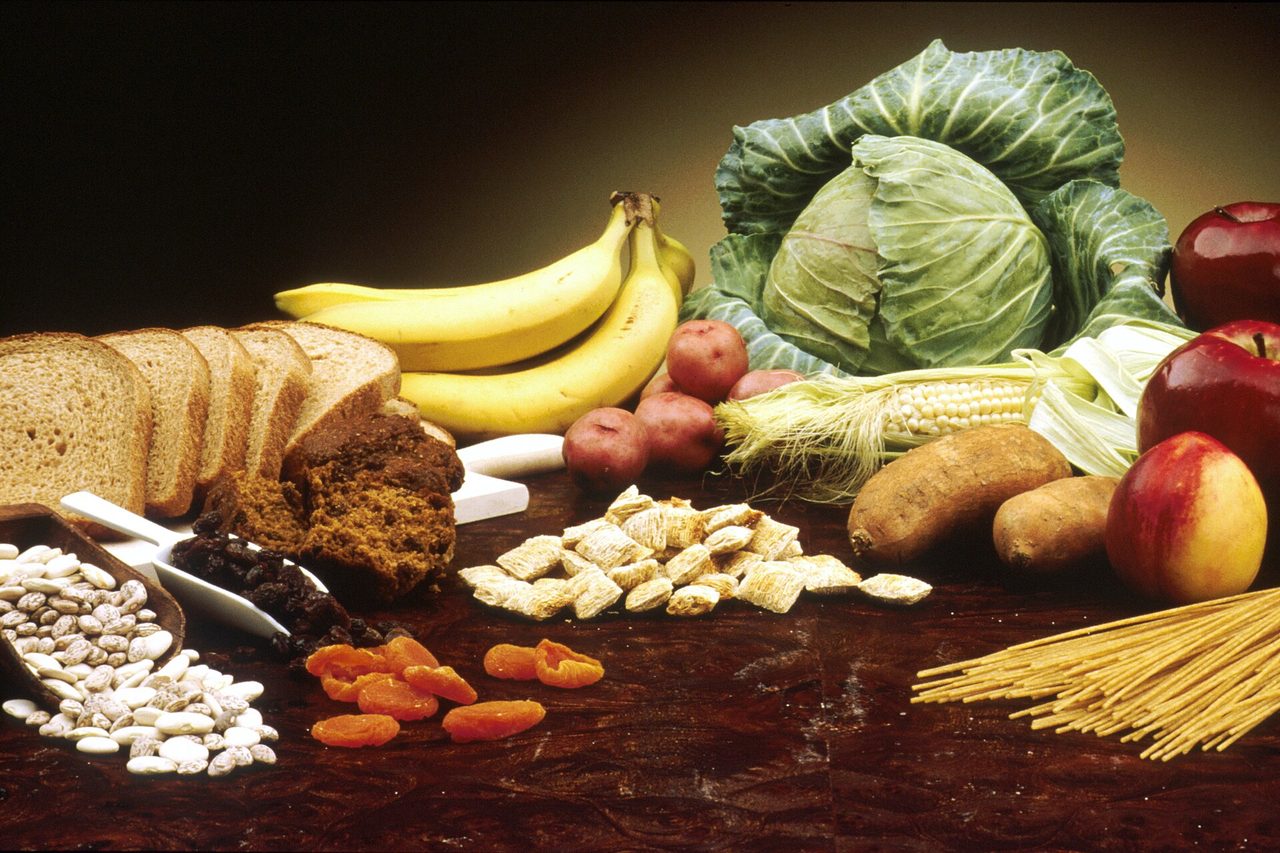
Photo: Unknown authorUnknown author / Public domain · via Wikimedia Commons
The Daily Habits That Actually Support Your Immune System No single food or supplement will carry you through winter. Doctors interviewed across the United States and Britain agree on the unglamorous truth: vaccines first, then the same small daily habits, repeated.
Vaccines first, the rest is frosting
Dr. William Schaffner of Vanderbilt University puts it memorably: healthy eating, exercise and enough sleep are the "icing on the cake" for a good immune system. "But the cake is the vaccines — getting protected against flu and covid," he said. In Britain, rheumatologist Dr. Anurag Bharadwaj of Nuffield Brentwood Hospital calls vaccination the most medically proven protection, recommending flu, Covid and RSV shots according to eligibility, especially for pregnant women, people with immunosuppressive illness, and people above 75 years of age.
Sleep seven hours, put the phone away
Sleep is the habit doctors mention most. Bharadwaj advises seven to nine hours a night, calling 11pm to 7am the best window, with no late-night cigarettes, coffee or smart devices. Both health enews and GoHealth Urgent Care state that most adults need at least seven hours. Poor sleep weakens the body's response to viruses and bacteria — and research covered by ScienceDaily found people sleeping less than six hours produced significantly fewer antibodies after vaccination than those sleeping seven hours or more, a gap equal to about two months of antibody waning.
Move 150 minutes a week, no heroics needed
Good Life Family Magazine cites the expert target of at least 150 minutes of moderate exercise per week: brisk walks, bike rides, yoga classes all count. As health enews explains, activity increases blood flow and helps immune cells circulate. Gardening and daily walks qualify; intensity matters less than regularity.
Eat varied, add garlic and kiwi if you like
The dietary advice is variety: fruits, vegetables, nuts, seeds, whole grains and healthy fats like olive oil. UC Davis notes some studies found benefits from one or two cloves of garlic a day, though there is no official serving recommendation. One physician recommends kiwi for vitamin C and fiber — skin and all, washed well. The throughline from GoHealth: the immune system is a complex network, not a switch one vitamin can flip, and supplements cannot replace daily habits.
Wash hands, ventilate, stay home when sick
The old infection-control basics still stand. The National Council on Aging advises washing hands regularly, improving indoor airflow, avoiding close contact with people who are sick, considering a well-fitting mask in crowded indoor spaces, and staying home when ill. GoHealth lists the same bundle alongside keeping up with recommended vaccines.
Do not chase zero stress, take time back
Chronic stress interacts with immune function, but nobody can eliminate pressure entirely. The NCOA suggests small restorative steps: a short walk, talking to a trusted friend, breathing exercises. Bharadwaj adds a framing worth remembering: the goal is not a hyperactive immune system — that is as bad as an underactive one — but a well-regulated one.
Who gains most, and what to do this week
Everyone benefits, but older adults, pregnant women, people with chronic illness and the immunocompromised gain the most. The most practical next step: check whether this season's flu and covid shots are done, then fix a sleep schedule and a walking slot. Winter rewards steady habits, not expensive supplements. Sources: DNYUZ, The Independent, Good Life Family Magazine, health enews, GoHealth Urgent Care, NCOA, UC Davis Health, ScienceDaily.
Which habit would you fix first?
If you could change only one thing this week — sleep, exercise, or getting vaccinated — which would you pick, and what has or hasn't worked for you before?
Sources
- DNYUZ: Here’s what to do every day to boost your immune system
- The Independent: Eight ways to boost your immune system ahead of winter, according to a doctor
- Good Life Family Magazine: 5 Habits To Boost Immunity During Cold And Flu Season
- health enews: 5 ways to support your immune system during cold and flu season | health enews
- GoHealth Urgent Care: GoHealth Urgent Care | Cold season survival guide: Boost Immunity without overdoing supplements