Oleshky Evacuees Reach Ukraine After Rare Local Truce
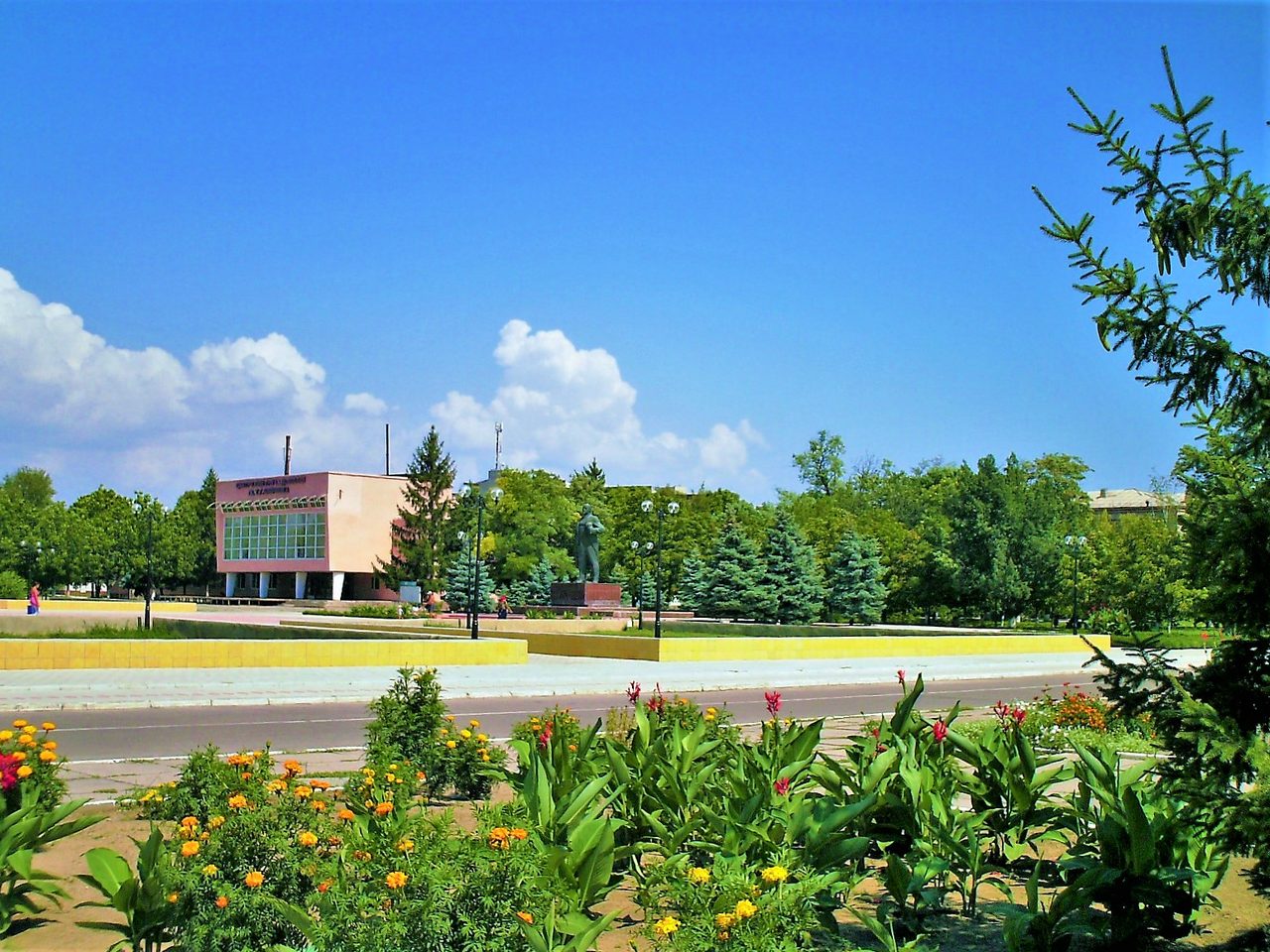
Photo: ru:user:Gottinight / CC BY-SA 3.0 · via Wikimedia Commons
Oleshky Evacuees Reach Ukraine After Rare Local Truce
Four planes land in Gomel before the road home
Four planes carrying residents evacuated from Oleshky landed in Gomel in southeastern Belarus on Saturday morning, Ukrainian lawmaker David Arakhamia said. Belarusian state media and Ukraine's human rights commissioner Dmytro Lubinets confirmed the arrivals. After landing, the evacuees boarded bus convoys at Gomel airport and headed for Ukraine's Chernihiv region. President Volodymyr Zelensky later announced on Telegram that the evacuees had crossed onto Ukrainian territory and thanked those who mediated the operation.
A truce credited to Melania Trump and Pope Leo
The evacuation took place under a localised humanitarian ceasefire in the southern Kherson region. The White House says US First Lady Melania Trump helped broker the deal and coordinate the mission, while Pope Leo XIV pressed both sides to allow aid deliveries and evacuations. Several outlets described it as the most significant truce since Russia's full-scale invasion four-and-a-half years ago, and the longest local pause of its kind in the war.
Six-day window opens an escape corridor
The ceasefire began at 3am on Tuesday and was expected to last through Sunday evening, a roughly six-day window. Civilian bus convoys left Oleshky on Friday. Because Ukrainian positions lie only about 5km from the town and every direct route was mined or watched by drones, evacuees first travelled deeper into Russian-held territory to the southern Russian city of Anapa, then flew to Gomel. Lubinets and his Russian counterpart Yana Lantratova travelled together to Oleshky on Friday from Armiansk in Russian-occupied Crimea to supervise the operation.
A town of 24,000 reduced to about 1,700
Oleshky, on the Dnipro River, was seized in the first days of the full-scale invasion in February 2022 and has been under continuous Russian occupation since. Ukrainian officials say about 1,700 people remained in the town from a pre-war population of about 24,000, many of them elderly or ill. Kyiv estimates up to 6,000 people, including 200 children, remain in Oleshky and its surroundings. Residents interviewed by Reuters described months without basic supplies, and earlier reporting said some survivors had eaten weeds to stay alive.
Stay, go to Russia, or return to Ukraine
Residents were offered a choice: transport to Russia, return to Ukraine, or stay with replenished supplies. Russia said it had prepared dozens of tonnes of aid for those staying, including food, medicine, hygiene products and fuel for generators. Lubinets posted video of evacuees stepping off the plane with their pets, writing that they would soon be home. One resident had earlier told reporters she refused to leave because the convoy would not take her animals. Couples quoted after the crossing spoke of coming back from hell and reuniting with relatives unseen for years.
A test case for the next front-line rescue
Ukrainian officials said all evacuated citizens would reach Ukrainian territory within hours of the Gomel landing, together with the Ukrainian delegation. Both the Ukrainian and Russian ombudsmen thanked Melania Trump and raised the possibility of further operations for other front-line towns. Whether this winding route, through Russian-held ground, Anapa and Belarus, can be repeated may decide if more trapped civilians get out. Discussion: If aid corridors like this one depend on short truces, who should get the seats first when not everyone can leave at once, and why?
Sources
- NV: Evacuation from Oleshky — fourth plane arrives in Belarus, from where the passengers will go home
- Al Jazeera: Hundreds from Russian-occupied Oleshky land in Belarus en route to Ukraine
- Euronews: Oleshky evacuees arrive in Belarus amid localised truce between Kyiv and Moscow
- NBC News: Oleshky civilians evacuate to Belarus under historic ceasefire
- CNN: Oleshky evacuees return to Ukraine under Melania Trump-brokered ceasefire