Social Security's 2027 COLA Is Big, but the Bill Comes Due in 2032
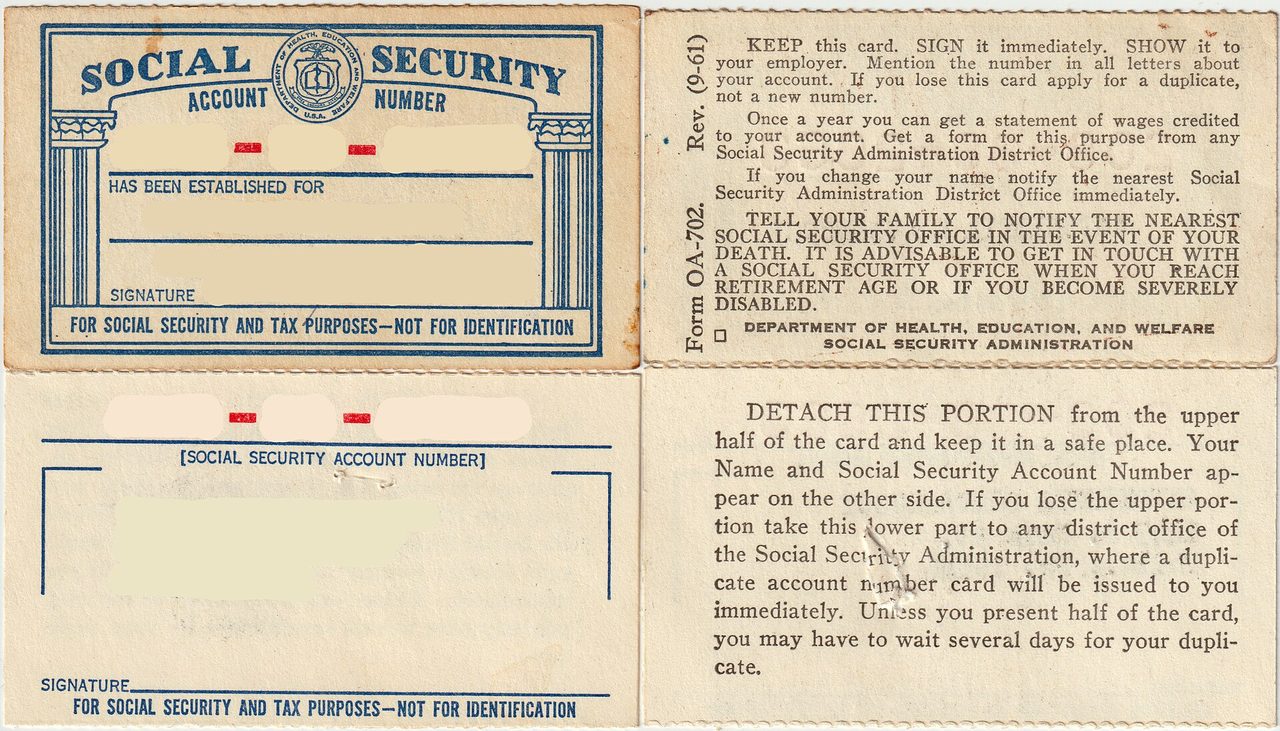
Photo: N Giovannucci / CC BY-SA 4.0 · via Wikimedia Commons
Social Security's 2027 COLA Is Big, but the Bill Comes Due in 2032
A 3.6% Raise for 76 Million Americans, the Biggest in Four Years
The Social Security Administration announced on Oct. 14 that benefits will rise 3.6% in 2027, covering about 76 million Social Security and Supplemental Security Income recipients. Nearly 72 million beneficiaries see the increase starting in January, while payments to some 7.3 million SSI recipients begin Dec. 31, 2026. The adjustment is tied for the fifth largest in 35 years, the biggest since the 8.7% surge in 2023, and well above the 2.8% granted for 2026.
Average Retirees Gain About $75 a Month, Disabled Workers $59
For the average retired worker, the increase adds roughly $75 a month, lifting the typical check from about $2,088 to about $2,163, or roughly $900 to $901 more per year. The typical worker with a disability gains an additional $59 a month. The change is calculated from third-quarter inflation data for urban wage earners, the CPI-W, comparing July through September of this year with the same period last year.
Tariffs and the Iran War Lit the Fuse Under Prices
The size of the raise is a symptom of elevated inflation, not economic strength. Coverage in The Motley Fool attributes the 2027 adjustment primarily to a "Trump bump": research by three New York Federal Reserve economists estimated that tariffs had added 2.9 percentage points to goods prices by February 2026. A 10% import surcharge imposed in February lasted 150 days, followed on July 24 by Section 301 tariffs of 10% to 12.5% on 60 economies. On top of that, the war in Iran triggered the largest energy supply disruption in modern history, sending fuel prices soaring and pushing the inflation gauge higher.
Medicare Premiums Nibble the Gain While Purchasing Power Keeps Eroding
The headline number overstates what lands in retirees' pockets. Medicare trustees project the standard Part B premium at $209.50 a month in 2027, up $6.60 from $202.90 in 2026, deducted straight from benefit checks. And the longer trend is grim: the Senior Citizens League estimates benefits have lost about 13.7% of buying power since 2016, because the CPI-W poorly tracks seniors' housing and medical costs. One consolation noted by The Motley Fool is that the elderly-focused CPI-E rose only 3.4% in the third quarter of 2026, just below the 3.6% COLA, so this year's raise narrowly beats seniors' real inflation.
The Retirement Fund Runs Dry in Late 2032, Then Faces a 22% Cut
The steepest cost is structural. The 2026 trustees report projects the Old-Age and Survivors Insurance fund will exhaust its reserves in the fourth quarter of 2032, after which payroll revenue covers only about 78% of scheduled benefits, an effective 22% cut that could fall to 62% coverage by 2100 without legislation. The Committee for a Responsible Federal Budget warns that a single 22% cut in 2032 would wipe out roughly nine years of COLAs at once. Commissioner Frank Bisignano insists the program will endure another 90 years, while the Congressional Budget Office projects average annual cuts of 28% from 2033 to 2036. A 3.6% raise is welcome, but when inflation itself is the engine, retirees pay for their own increase twice.
Discussion: Would you rather have stable prices with a smaller benefit increase, or higher inflation that produces a bigger raise on paper? What matters more to you, the number on the check or what it actually buys?
Sources
- The Motley Fool: Social Security's Trump Bump-Powered 2027 COLA Is the 5th Largest in 35 Years, but It Comes at a Potentially Steep Cost
- CNBC: Social Security announces 3.6% COLA for 2027: What to know about benefits
- CBS News: Social Security sets its 2027 COLA increase at 3.6%. Here's what that means for your benefits.
- USA Today: Why your 2027 Social Security COLA of 3.6% might still fall short
- Fox Business: Social Security faces potential 22% benefit cuts as 2027 COLA renews funding debate