Ohio's Senate Race Turns Into Big Tech's Midterm Trial
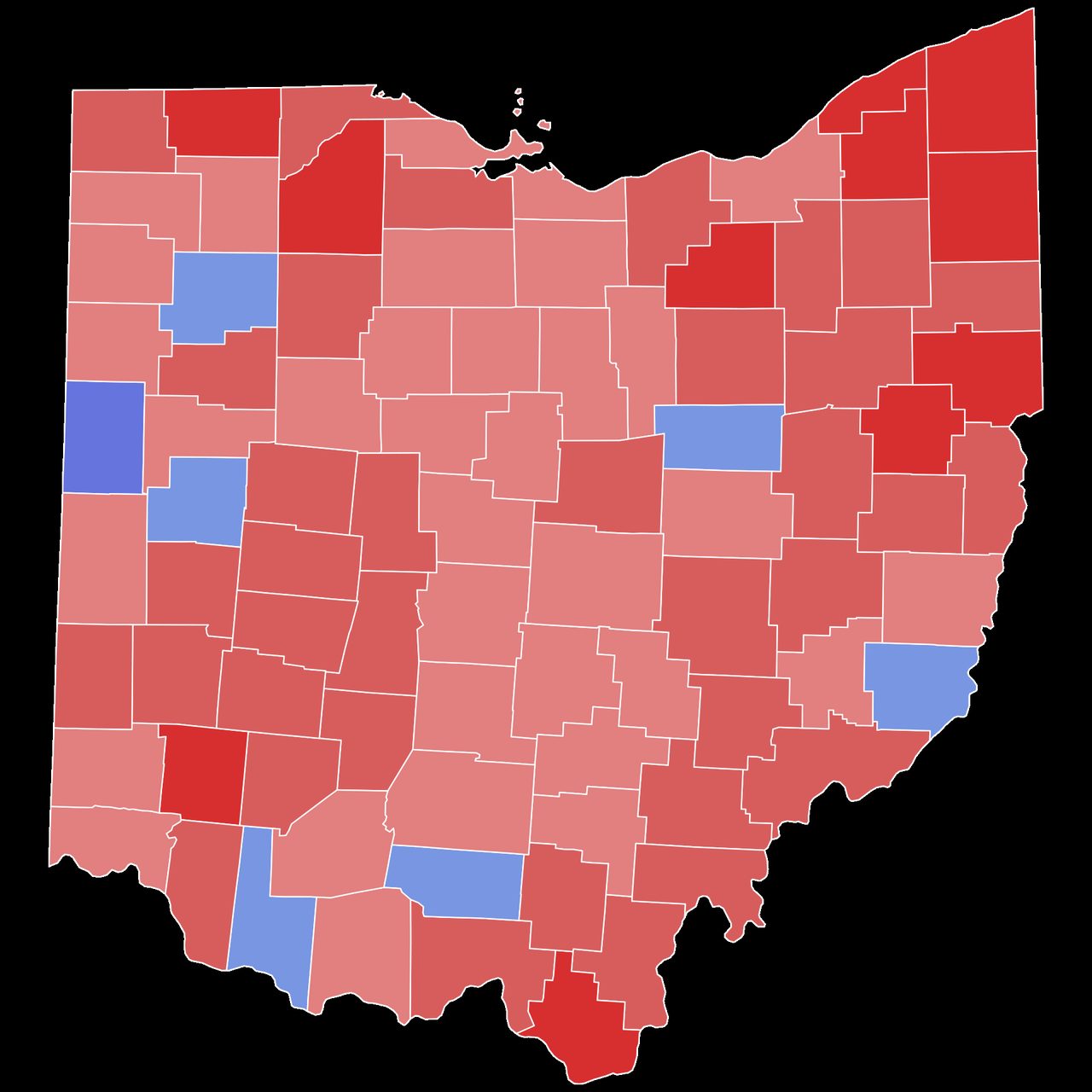
Photo: ZackCarns / CC0 · via Wikimedia Commons
Ohio's Senate Race Turns Into Big Tech's Midterm Trial
Crypto Money Floods America's Costliest Senate Fight
Ohio's Senate contest between Republican incumbent Jon Husted and Democratic challenger Sherrod Brown has become the most expensive midterm clash in the country, and Big Tech is footing much of the bill. The crypto super PAC network Fairshake and its affiliate Defend American Jobs have spent more than $55 million to defeat Brown, after an initial $30 million pledge followed by another $9 million installment. The industry spent about $40 million to oust Brown in 2024, when he lost to Bernie Moreno, and has now spent over $200 million nationally to shape the midterms.
Brown Makes Data Centers the Villain
Brown, a former Senate Banking chairman and longtime crypto critic, has made data centers his central charge. He accuses Husted of bringing them to Ohio as lieutenant governor, telling local television that Ohio taxpayers are handing $2.5 billion in tax breaks to billionaire data center owners. He puts the statewide count at 225 centers, arguing they take land and water and then push household electric rates higher. His campaign, running since July, brands Husted as the face of data centers.
Husted Breaks With His Old Allies
Husted, backed by crypto-friendly votes and checks from figures ranging from Oracle co-founder Larry Ellison to Microsoft President Brad Smith, is now distancing himself from the industry. He led the Senate push for the Ratepayer Protection Act, which would force data centers to pay for the power and infrastructure they use. Ohio regulators approved a settlement requiring data centers to cover at least 85 percent of power costs for 12 years, rejecting a 70 percent alternative sought by Google, AWS and Meta. Environmental groups have spent a combined $20 million attacking Husted over data centers.
A Republican Revolt From Below
The backlash is bipartisan and local. In Orab, a village of 4,300 near Cincinnati, some 1,000 acres of farmland and woods were sold to a data center developer in 2024 and 2025, sparking one of the most organized opposition campaigns in the country under lifelong Republican attorney Nick Owens. Near Toledo, Meta is building on a 280-acre site despite resident pushback. Voters in at least 18 communities will decide data center questions on Nov. 3, including charter amendments in Pataskala, Sunbury and Granville barring centers above 25 megawatts, a 7.5-megawatt threshold in Urbana, and a referendum on an EdgeConneX project on about 195 acres in Ashville.
Bills, Water and Power Decide What's Next
An Ohio State University study finds Amazon, Microsoft, Google, Meta, Oracle and Apple will account for 75 percent of increased electricity demand from data centers, using more than 15 terawatt-hours a year in Ohio by 2030, about one-tenth of all electricity sold to Ohioans in 2024, amid a 200 percent worldwide increase from 2024 to 2030. One policy analysis warns data centers could add $16 billion to Ohio electric bills, with $41 billion in health and environmental costs from 2027 to 2034, even as it credits data centers with about $62 billion in net benefit since 2013. Amazon's October 2 pledge of more than $1 billion over five years for host communities has not calmed anger. An August National Republican Senatorial Committee memo called the data center brand an anchor on Husted. Whoever wins in Ohio, the verdict will shape how both parties handle tech for the rest of the cycle.
Sources
- Politico: Big Tech faces a political reckoning in Ohio
- The American Prospect: In Ohio, Crypto Revenge Spending Runs Into a Data Center Backlash
- NPR: How a lifelong Republican came to lead the data center battle in Ohio
- The Atlantic: Democrats’ Sudden Revulsion Toward Big Tech
- Fox News: One state is ground zero as Trump's multibillion-dollar tech ambitions face a midterm test