After the Rout, Wall Street Braces for a Wilder Ride
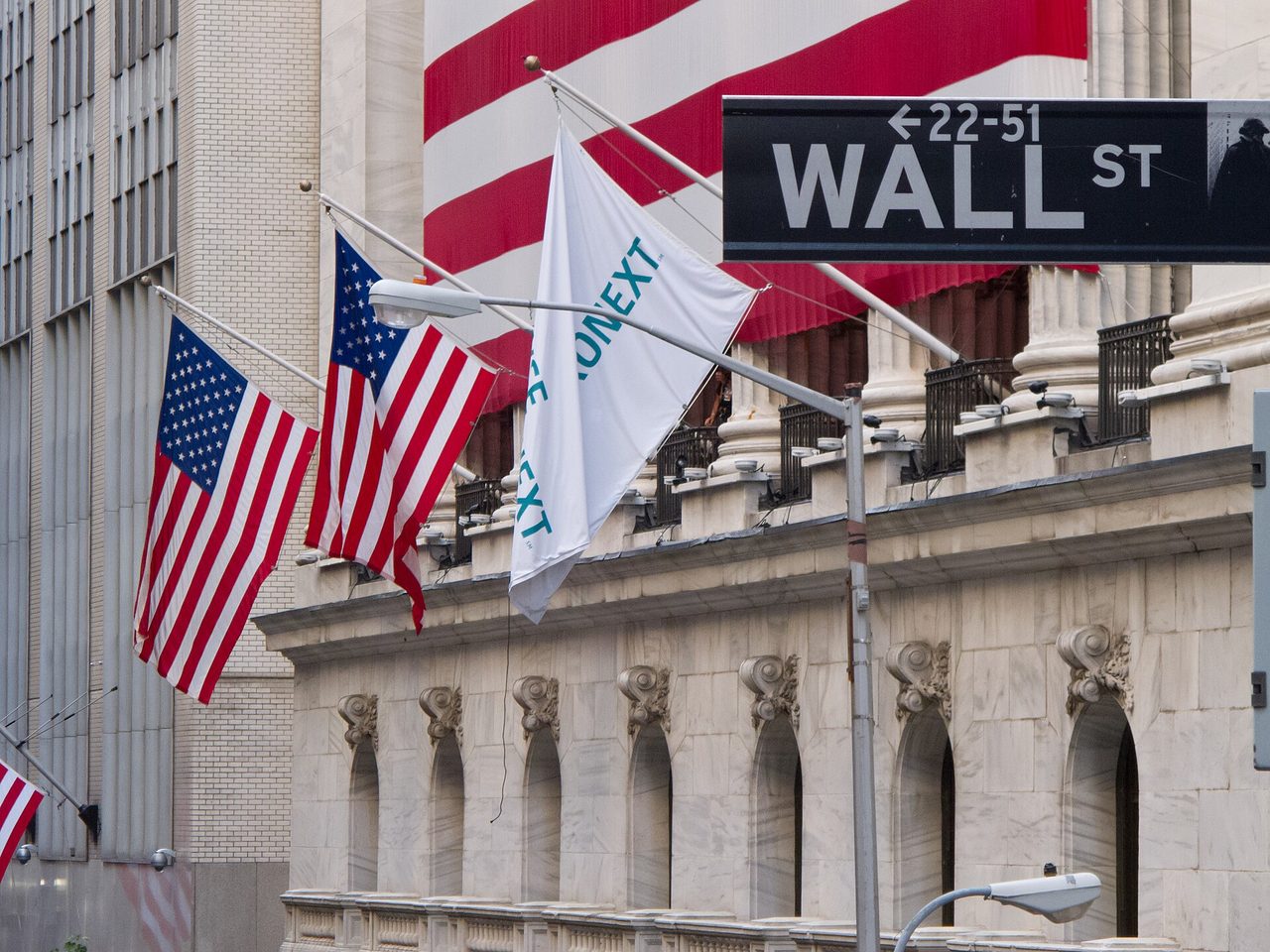
Photo: Carlos Delgado / CC BY-SA 3.0 · via Wikimedia Commons
After the Rout, Wall Street Braces for a Wilder Ride
Nasdaq Suffers Worst Day Since June
U.S. stocks closed out October with a brutal sell-off. The Nasdaq Composite tumbled 2.86%, its worst day since June, closing at 25,437.00, down 747.73 points. The S&P 500 fell about 1.8%, or 140.32 points, to 7,580.07, also its worst session since June. The Dow Jones Industrial Average dropped 572.25 points to 51,770.31. Nearly $1 trillion in market value was wiped out in a single session, and more than $2 trillion in Nasdaq-100 value evaporated during October.
Intel Craters 28.6% in Worst Drop Since 1974
The trigger was disappointing earnings from Amazon and Intel. Intel sank nearly 30%, ending down 28.6% after issuing weaker-than-expected fourth-quarter guidance, its worst drop since 1974. Amazon fell after reporting massive AI capital spending that pushed free cash flow deeply negative. Nvidia dropped about 4.2%, losing its $5 trillion capitalization and ranking as the heaviest single drag on the S&P 500. AMD tumbled 10.88%, Micron fell about 6%, and Alphabet extended losses after plunging 12.6% on Thursday.
Hedge Funds Dump Tech at Fastest Pace in Two Years
The institutional verdict is blunt: valuations ran too far, bills ran too high. Tony Pasquariello, Goldman's head of hedge fund coverage, said hedge funds sold technology stocks at the fastest pace in two years, casting serious doubt on conviction in the AI trade. Jefferies measured $7.5 billion in net tech selling in a single week, the largest sell skew in more than five years. Truist noted technology has fallen 10% from its peak as investors scrutinize AI capital spending, free cash flow and earnings durability.
VIX Tops 22 as Money Hides in Defensives
Fear gauges jumped. The Cboe Volatility Index hit an intraday high of about 22.3 and closed at 19.42. Beneath the index-level calm, rotation was stark: energy stocks led, with Exxon and Chevron lifted by rebounding oil prices, while low-volatility ETFs drew fresh attention. Morningstar analysts described investors reallocating AI capital into defensive sectors until the AI outlook clears. For the week, the S&P 500 fell 0.6%, the Nasdaq shed 2.0% and the Dow lost 0.9%. For October, the S&P 500 declined only 0.9% and stood about 3% below its October 6 record, while the Nasdaq lost 5.3%.
Earnings Gauntlet Meets Midterm Vote
Two tests now collide. The busiest week of earnings season brings 179 S&P 500 reporters, with Microsoft, Alphabet and Amazon — together about 15% of the index — under pressure to show cloud growth covering AI outlays, and Apple reporting next Monday. The November 3 midterm elections add a second volatility source. Midterm years average peak-to-trough drawdowns of about 18% to 19%, though history favors rebounds: the S&P 500 gained an average 14.1% in the six months after midterms since 1970 and posted positive 12-month returns after every midterm since 1950, averaging 16.6%. Options traders are already positioning for more wild days. What is your take? Is this pullback a buying opportunity or the start of something uglier? Share your view below.
Sources
- Fortune: Intel plunged 28.6% for its worst drop since 1974 — and the AI sell-off gave the S&P 500 its worst day since June
- NBC News: Tech stocks set to wipe out $1 trillion in value as concerns about the AI boom deepen
- Bloomberg: Goldman’s Pasquariello Warns Tech Rout Raises Questions for AI Trade
- Forbes: Alphabet, Microsoft And Amazon Lead The Busiest Week Of Earnings Season