Federal Reserve Chair Kevin Warsh said on Nov. 16 that artificial intelligence will carry major implications for the U.S. economy and monetary policy. Fed staff model three scenarios. One of them is an investment bust. Warsh avoided commenting on inflation or December interest-rate moves.
Three AI Scenarios From Boom to Bust
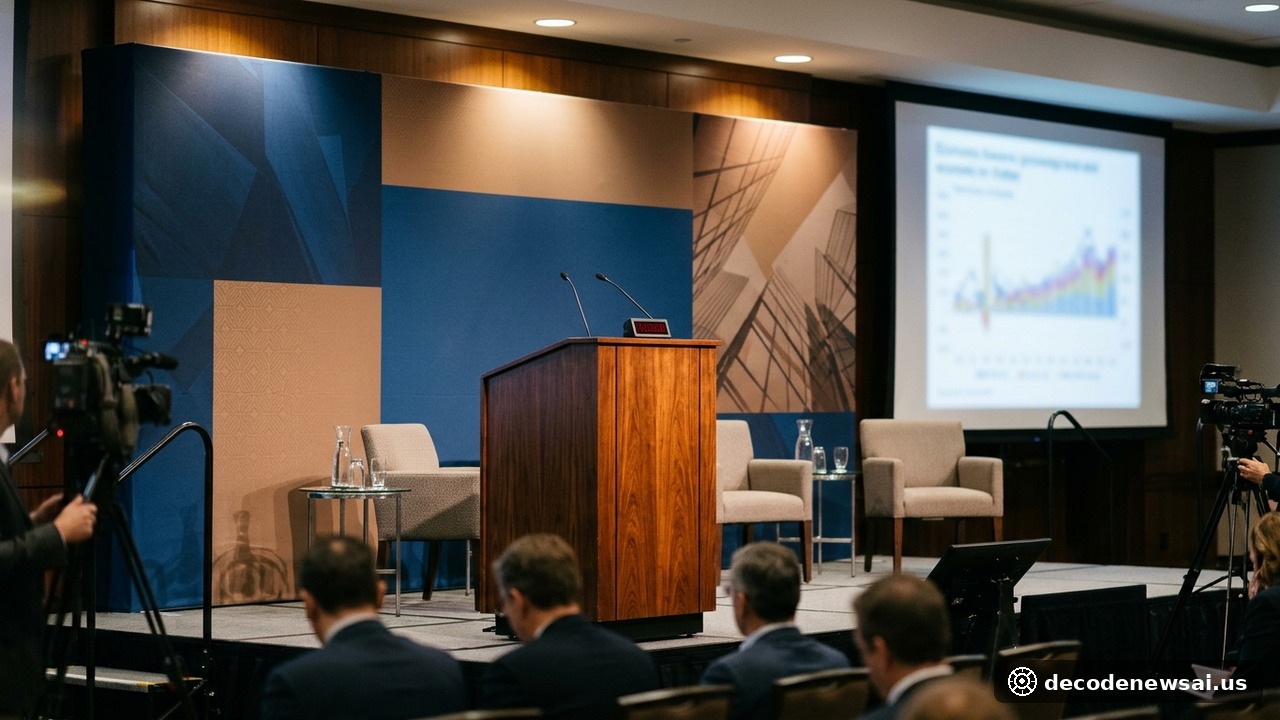
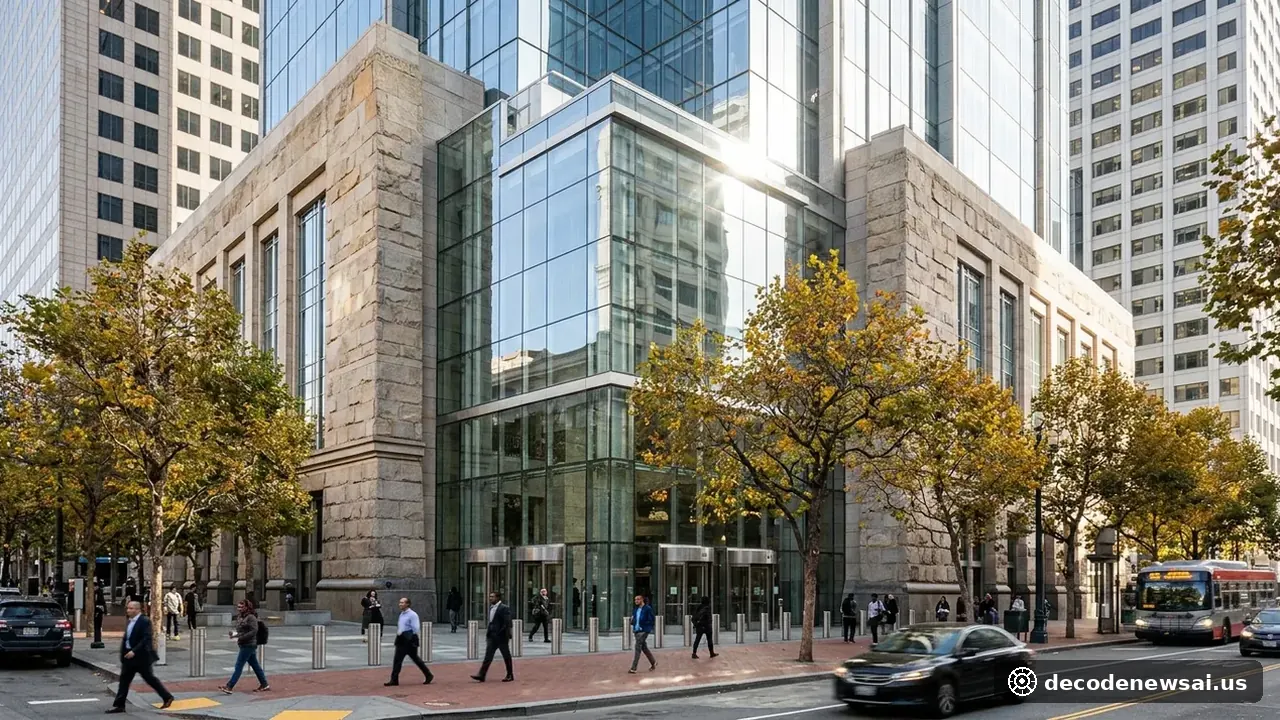
Warsh opened a Productivity and Jobs Task Force conference at the San Francisco Fed. He outlined scenarios where AI either lifts growth broadly, causes automation job losses, or disappoints investors. He warned of the downside case. "After significant capital investment and stock market gains, expected returns could turn down and equity valuations could fall, leading to an economic slowdown and a more notable rise in unemployment."
Investors digested his remarks ahead of Nvidia earnings. The Nasdaq Composite fell 2.2%. The 10-year Treasury yield dipped to 5.119% on Nov. 16.
Silence on Inflation Splits Fed Outlook
Warsh's prepared text omitted any mention of interest rates or October producer prices. Those prices rose 6.5% year-over-year. That was the fastest pace in almost four years.
Several Fed colleagues have warned that data center construction is stoking inflation. It drives up costs for chips, electricity, and copper. Fed Vice Chair Philip Jefferson noted on Nov. 13 that lasting productivity gains could still raise interest rates. The cause is higher corporate demand for funding.