ATLANTA - Federal health researchers reported on Nov. 16 in NEJM Evidence that 13 U.S. newborns developed congenital measles between Jan. 1, 2025, and Sept. 28, 2026. During the same period, 16 jurisdictions reported 112 confirmed measles cases in pregnant women, with 98% unvaccinated or having unknown vaccination histories.
Unvaccinated Childbearing Women Face Heightened Vulnerability
Michael Osterholm, director of the University of Minnesota's Center for Infectious Disease Research and Policy, attributed the rare infections to a generational immunity gap. "What's happening is we have so many women of childbearing age who were not vaccinated in the last 25 years, nor have they ever had exposure to measles because for the last 25 years we have beaten it back," Osterholm said, calling congenital measles a brand-new phenomenon. Six of the 13 infected infants developed symptoms, including one with signs compatible with life-threatening meningoencephalitis.
Maternal Infections Drive Preterm Births and Hospitalizations
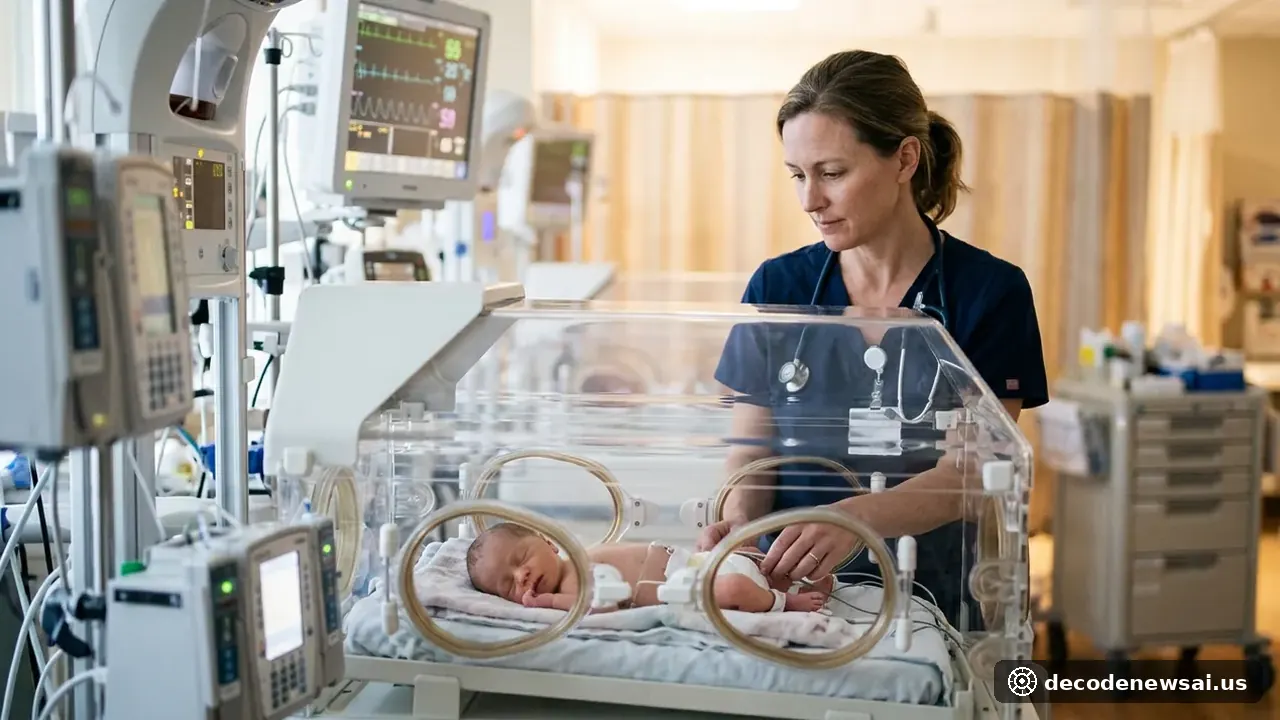
"Large measles outbreaks in undervaccinated communities during 2025–2026 have resulted in infections among pregnant women and in congenital measles, showing the impact of measles on maternal and neonatal health," CDC authors wrote in the alert. Twenty-three percent of the pregnant patients required non-labor hospitalization. Among 21 pregnancies with outcomes within 14 days of rash onset, 19 resulted in live births—eight of them preterm and admitted to neonatal intensive care units—alongside two pregnancy losses.
Falling Kindergarten Vaccination Rates Fuel Record Outbreak
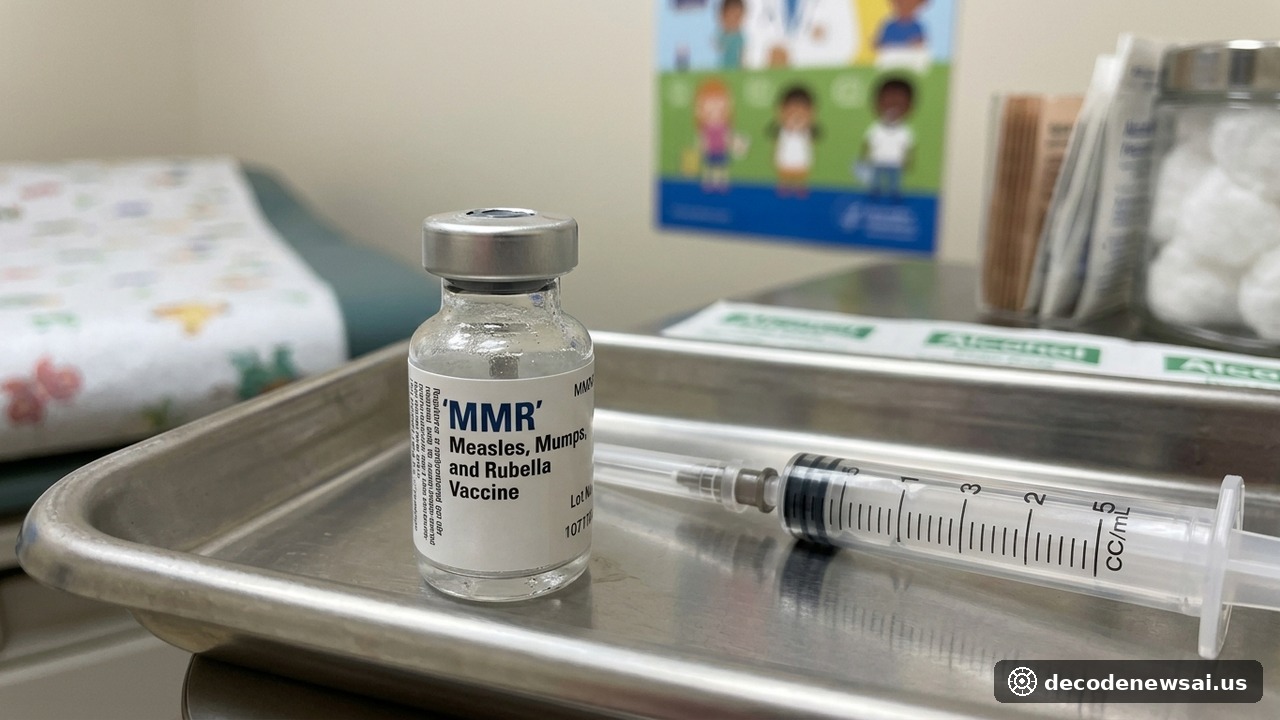
Nationwide, the CDC confirmed 5,412 measles cases in 2026 as of Nov. 12, while kindergartener MMR vaccination coverage stood at 92.4% in 2025-26, below the 95% threshold needed to block outbreaks. Because the MMR vaccine cannot be given during pregnancy, doctors urge women to get vaccinated beforehand and recommend antibody infusions within six days of exposure.