The Tenant Activist at the Center of Mamdani's Housing Gamble
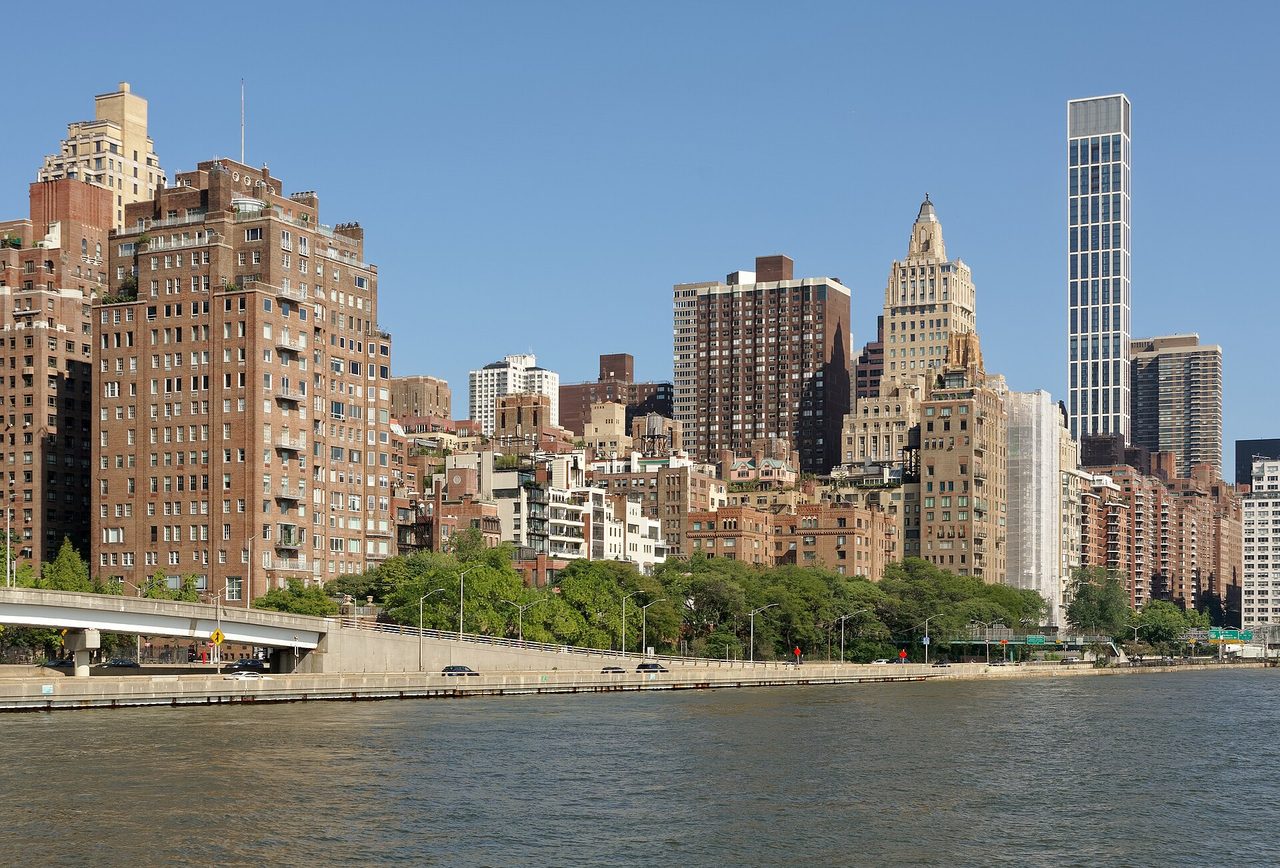
Photo: Jakub Hałun / CC BY 4.0 · via Wikimedia Commons
The Tenant Activist at the Center of Mamdani's Housing Gamble
On his first day as mayor of New York City, Zohran Mamdani handed housing policy to a tenant activist: Cea Weaver now directs the Mayor's Office to Protect Tenants, giving her direct influence over the housing market of America's largest city. Her appointment — and her old statements — have turned New York's housing debate into an ideological showdown.
A tenant activist walks into City Hall on day one
Weaver is a veteran of New York's tenant movement: a member of the Democratic Socialists of America who served as executive director of both Housing Justice for All and the New York State Tenant Bloc. Her standout credential is helping shape and pass the 2019 Housing Stability and Tenant Protection Act, which eliminated vacancy increases, locked in so-called preferential rents, and sharply limited what landlords could recover through rent to pay for repairs.
Mamdani appointed her on January 1, 2026, the day he took office. According to reports, the City Council had previously rejected the appointment, and Mamdani used executive authority to install her anyway.
"Weapon of white supremacy": old remarks resurface
The announcement brought Weaver's old social media posts back into the spotlight. In a 2019 tweet she described homeownership as a "weapon of white supremacy"; she has also called for "impoverishing" the white middle class, described private property as a "collective good," and advocated a universal right to housing with a rental market "entirely financed by the government."
The remarks alarmed landlords and federal officials. Mamdani has defended the appointment while distancing himself from some of Weaver's specific statements. Her supporters argue she is someone who genuinely understands what tenants face, and that tenant protection in New York needs exactly that kind of leader.
Rent freeze and door-to-door tenant organizing
Weaver's arrival has coincided with a rapid rollout of Mamdani's housing agenda. In June, the city board approved a 0% rent increase for rent-stabilized apartments starting in October, affecting roughly two million tenants. City Hall has held "rental ripoff" hearings to collect complaints from renters, and the Mayor's Office of Mass Engagement launched a "Talk to Tenants" campaign sending volunteers into neighborhoods to help residents form tenant unions. The city's Department of Housing Preservation and Development is expanding headcount for more inspections and enforcement.
In May, Mamdani released a plan to build 200,000 affordable apartments over a decade. In February, he traveled to Washington to lobby the federal government for $21 billion for the long-delayed Sunnyside Yard housing megaproject in Queens.
Complaints jump 63% in a single week
Critics say the policies are fueling a complaint surge. In one week — the same week Mamdani posted a social media video dressed as an HPD inspector boasting about finding six violations — the city logged 17,768 housing complaints through 311, up 63% from the same week in 2025. In Brooklyn, calls rose from 3,223 to 5,499. Some small landlords complain the complaints are getting trivial, including reports of no heat in the summer.
The bigger flashpoint is the "Block by Block" plan: Mamdani wants to expand the old Third Party Transfer program, letting the city take over more tax-delinquent or severely distressed properties and hand them to nonprofits. That comes as New York just paid $60 million to settle a lawsuit over an illegal property seizure in 2018.
Vacancy at 1.4%: all eyes on supply
The gamble is playing out against New York's tightest rental market in decades: official 2024 data put the citywide rental vacancy rate at 1.4%, the lowest since the late 1960s. Supply-side advocates argue that without new construction, rent pressure simply moves from visible to hidden, no matter how strong tenant protections get. Mamdani is trying both at once — freezing rents and organizing tenants while courting developers and easing approvals. Whether that combination can work is the biggest open question in New York housing for years to come.
Sources
- Politico
- The Real Deal
- The New York Times
- New York Daily News
- NYC.gov