Cleared Libor Trader Says He Will Sue Barclays, Accusing the Bank of Scapegoating Him
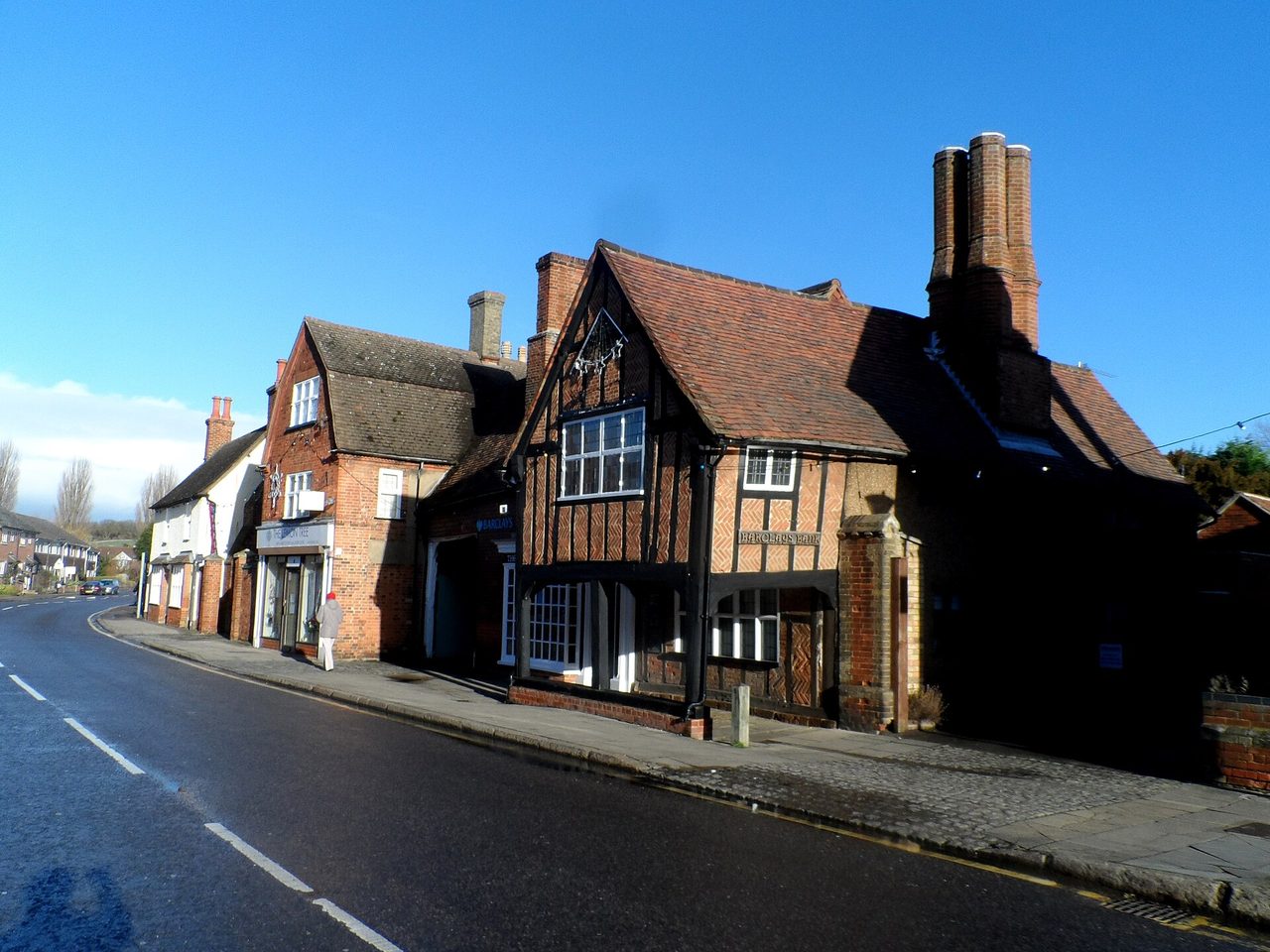
Photo: Bikeboy / CC BY-SA 2.0 · via Wikimedia Commons
Cleared Libor Trader Says He Will Sue Barclays, Accusing the Bank of Scapegoating Him
Five ex-Barclays traders have their convictions wiped out
On 7 October 2026, the Court of Appeal in London quashed the fraud convictions of five former Barclays traders — Jay Merchant, Jonathan Mathew, Philippe Moryoussef, Alex Pabon and Colin Bermingham — who had been jailed between 2016 and 2019 for manipulating Libor and its euro counterpart Euribor. Merchant, 55, was jailed in 2016 over conspiracy to defraud and served more than two years of an initial six-and-a-half-year sentence. He had been a New York-based Libor trader alongside Pabon; Mathew was a London-based submitter and junior trader, and Bermingham, a former managing director, was sentenced to five years in 2019. Moryoussef was convicted in his absence in 2018 after France refused to extradite him.
Merchant plans a civil claim against his old employer
The day after the ruling, Merchant told the Telegraph he intends to bring a civil claim against Barclays, which he says "still has serious questions to answer". The Daily Mail, This Is Money and Sharecast all carried the story the following morning. "Barclays has a responsibility and I hope to hold them accountable," Merchant said. No claim amount, court or filing date has been disclosed by any outlet covering the announcement.
The accusation: junior staff were sacrificed to protect the bank
Merchant's case is not about bonuses, dismissal or discrimination. He alleges the bank trained and supervised the very practices it later disowned, and that senior figures shielded themselves by blaming those below them. "Barclays trained, instructed and supervised us in the very practices that later on it distanced itself from. Senior figures who knew how the system worked misled prosecutors and scapegoated junior employees — the managers who testified against me in court were the same ones who had trained us," he said. He further claims Barclays "hid evidence so the truth was buried and we paid the price, along with our families", that witnesses "lied under oath" while the traders told the truth to the SFO in 2014, and that the bank obtained lower penalties from regulators by casting blame on individual employees.
Official responses: silence from Barclays, no opposition from the SFO
A Barclays spokesman declined to comment when approached by the Telegraph, and the bank repeated that position to City AM. The Serious Fraud Office, which brought the original prosecutions, said: "After carefully considering this judgment and the full circumstances, we do not oppose the appeals of five individuals convicted by juries in relation to Libor and Euribor." Jason Williams, an SFO division head, added that the agency "remains committed to tackling the most serious cases of fraud, bribery and corruption". The Criminal Cases Review Commission, whose chair Dame Vera Baird welcomed the ruling, said the jury misdirection had undermined the safety of all five convictions.
Why the convictions fell apart
The appeals followed the Supreme Court's July 2025 decision overturning the convictions of Tom Hayes and Carlo Palombo, which found that trial judges had misdirected juries. Lord Justice Edis, sitting with Mr Justice Goose and Mr Justice Moody, held that the same legal error was "directly replicated" in the Barclays cases. The SFO had already conceded in August that the convictions might be unsafe. Lawyers for the five argued for confiscation orders and prosecution costs paid by their clients to be returned with interest.
The wider unraveling — and the money at stake
After Wednesday's ruling, nine SFO convictions linked to the scandal have been set aside, according to the Telegraph; on 9 October the Court of Appeal also quashed ex-Deutsche Bank trader Christian Bittar's conviction, the first guilty plea in the Libor/Euribor cases to be overturned. Barclays was fined £290m ($450m) by UK and US regulators in 2012, and Libor-related fines worldwide have reached nearly $10bn. For comparison, Hayes is suing his former employer UBS in Connecticut for at least $400m, alleging malicious prosecution; the bank is seeking to dismiss the complaint.
What happens next
Three things to watch: whether and where Merchant files his claim and for how much; whether the five men recover the confiscation payments they made, with interest; and how the UBS litigation proceeds, since its outcome could set the template for claims against banks that distance themselves from staff. The other four cleared traders have not said publicly whether they will follow Merchant into court.
Sources
- Ex-trader to sue Barclays over Libor rigging case
- Ex-trader wrongly convicted of rate rigging set to sue Barclays
- The Guardian: Ex-Barclays traders jailed for rigging interest rates have convictions quashed
- Bloomberg: Ex-Barclays Traders Have Rate-Rigging Convictions Quashed by London Court
- Reuters: London court quashes five more UK rate-rigging convictions