Phone Shipments Fall 20% to the Weakest Third Quarter Since 2012
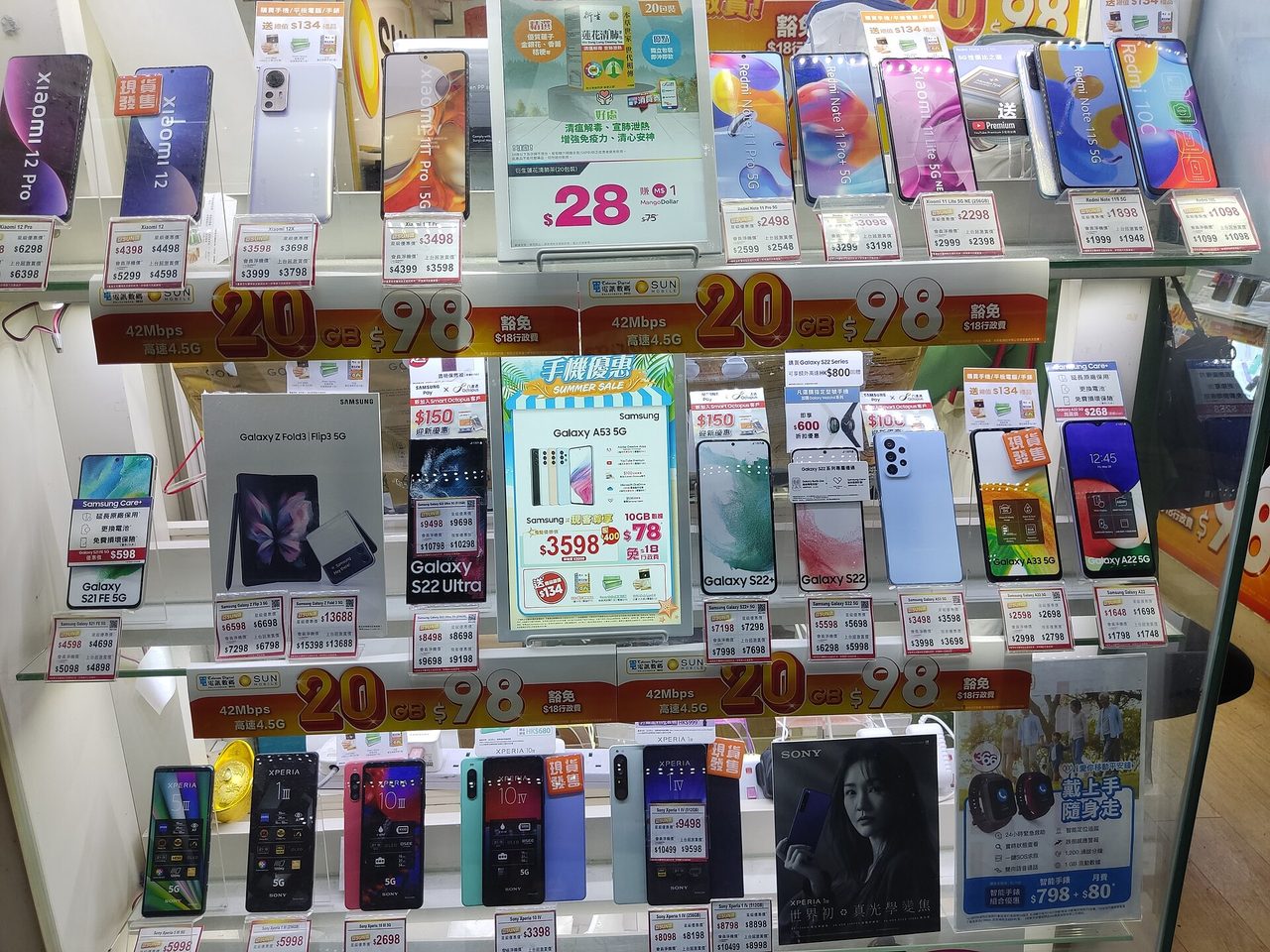
Photo: CHOADAICHONG MinuddR / CC BY-SA 4.0 · via Wikimedia Commons
Phone Shipments Fall 20% to the Weakest Third Quarter Since 2012
Shipments fell 20%, the worst Q3 since 2012
Global smartphone shipments fell 20% year over year in the third quarter of 2026, landing at the lowest July-to-September level since 2012, according to preliminary Market Monitor estimates from Counterpoint Research published on October 12. It was the second straight quarter of decline. Reuters, The Hindu, ETTelecom, CNET, GSMArena and Hindustan Times all reported the same figures.
Counterpoint says the drop matched its own forecast
The research firm said the decline was in line with its expectations: rising DRAM and NAND prices intensified the memory cost shock during the quarter, inflating bill-of-materials costs and worsening component shortages, which disrupted shipments across the industry. "The extreme memory shortage is pushing the smartphone market into a more selective phase, reshaping OEM strategies and even consumer behaviour," senior analyst Shilpi Jain said, calling Q3 the second successive quarter to take the full brunt of the crisis. Consumers are holding on to devices longer than estimated, increasingly considering refurbished handsets and prioritising higher-value models, she added.
AI data centers, not phones, are eating the memory supply
The pressure starts upstream. AI infrastructure projects are cornering supplies of the memory components used across electronics, so phone makers face higher prices and tighter allocations at the same time. Counterpoint's read is that this cost squeeze is pushing manufacturers to raise retail prices, cut shipments and prioritise profitability over volumes.
Retail prices are up about 20% this year
That cost is being passed on. Global smartphone retail prices have risen roughly 20% so far in 2026, lifting average selling prices even as volumes shrink. In a Counterpoint survey covering the US, UK, India, China and Germany, half of respondents said they would wait until holiday sales to buy a new phone, rising to 56% among Gen Z consumers.
Samsung and Apple gain share while rivals bleed
Samsung held the top spot with 23% market share, up from 19% a year earlier, even as its shipments slipped 3%, supported by demand for the Galaxy Z Fold8 series and stable component supply for its mid-range devices. Apple reached 22%, up from 18%, crossing 20% for the first time in any third quarter, though shipments still fell year over year; Counterpoint attributed the volume decline largely to the absence of a base iPhone 18, which produced a smaller launch-month channel fill than the full iPhone 17 lineup a year earlier.
Xiaomi, Oppo and Vivo cut back the cheap models
Xiaomi's shipments dropped more than 30%, cutting its share to 10% from 14%, as it scaled back exposure to lower-priced devices and some overseas markets to protect margins. Oppo and Vivo each declined more than 20%, with shares of 9% and 8%, down from 12% and 9%. Both raised prices across entry and mid-range portfolios, which pushed budget models out of key price bands while stock shortages further constrained shipments. India is not immune: Counterpoint research director Tarun Pathak said India's Q3 shipments are expected to fall about 20%, adding that "the worst is still not over." In China, weekly smartphone sales have declined by double digits year over year since July.
Huawei says memory adds $200 to every handset
Huawei's consumer business chief Richard Yu told reporters in Shenzhen that memory component costs have added roughly $200 to the cost of building each smartphone, hurting profitability "very badly." Prices will rise going forward, though moderately. Several Chinese brands repriced on September 1; Huawei's Mate 80 Pro (12GB + 256GB) moved from 5,999 yuan to 6,999 yuan, an increase of about 1,000 yuan, or roughly $140, while the nova 16 standard and Pro models went up 400 yuan, about $60.
Full-year 2026 seen down about 14%, no recovery before 2028
Counterpoint's June forecast had 2026 shipments falling 13.9% to 1.08 billion units, the steepest annual decline on record; a September update projected a 14.3% drop this year and a further 1.4% dip in 2027 before a stronger recovery begins in 2028. Most analysts cited by Counterpoint expect the shortage to last through 2027. "Production cuts, tighter portfolios, and greater focus on premium devices are likely to continue, while price-sensitive segments face further pressure," the firm said. "A meaningful recovery in overall volumes is unlikely until component costs and supply conditions improve."
Sources
- Reuters: Global smartphone shipments record worst third quarter in 14 years amid memory shortage
- ETTelecom: Smartphone Shipments Plummet 20% in Q3, Marking Worst Decline in 14 Years Amid Memory Chip Crisis
- The Hindu: Global smartphone shipments plunge 20% during Q3 2026
- CNET: Smartphone Shipments Just Hit a New Low. Thanks, RAMageddon
- GSMArena: Samsung and Apple were the winners in a Q3 smartphone market that dropped 20%