Texas Oil Regulator Race Puts a 30-Year Democratic Losing Streak in Play
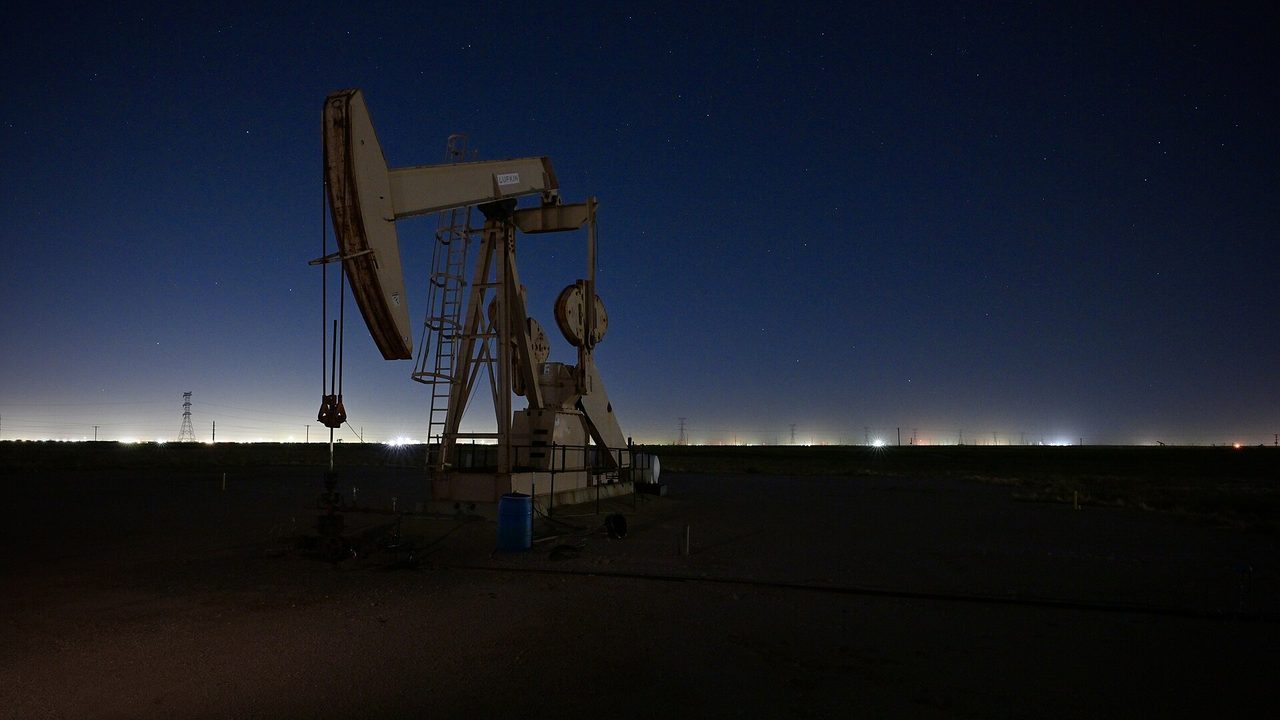
Photo: Maxx@night / CC BY 2.0 · via Wikimedia Commons
Texas Oil Regulator Race Puts a 30-Year Democratic Losing Streak in Play
An Energy Watchdog That Has Nothing to Do With Railroads
The Railroad Commission of Texas dropped its railroads in 2005 and now runs one of the most consequential energy regulatory jobs in the country. It issues drilling permits, sets production rules, polices pipeline safety, regulates natural gas distribution rates, oversees oilfield waste disposal and newer programs such as carbon capture and storage. Three commissioners are elected to six-year terms, and the commission reports to the Texas Legislature. It matters because Texas supplies roughly half of the nation's oil.
An Oilfield Engineer Against a Fort Worth Culture Warrior
Democrat Jon Rosenthal is a Houston-area state representative and a mechanical engineer who spent 25 years in oil and gas before winning a Republican-held House seat after Donald Trump's 2016 election. He calls himself a "drill-baby-drill Democrat" and says he decided to run for the commission after the 2021 Texas winter storm, which state health officials linked to 161 cold-exposure deaths. Republican Bo French, 56, is a former trader, former Tarrant County GOP chair and an heir to a Midland oil family. Libertarian Arthur DiBianca is also on the ballot. The winner takes the seat on Nov. 3.
French Survived a GOP Establishment Onslaught
French won the May 26 Republican primary runoff against incumbent Commissioner Jim Wright by 50.5% to 49.5%, a margin of roughly 14,800 votes. Wright carried endorsements from Gov. Greg Abbott, Lt. Gov. Dan Patrick and President Donald Trump and still lost, a result read as a revolt by the party base against its establishment. French has campaigned partly on rooting out diversity, equity and inclusion policies inside the commission.
A Football Photo Turned a Down-Ballot Race National
On Sept. 13, French posted a photo of University of Texas students celebrating a win over Ohio State and wrote that "social media is exposing how many Americans have been displaced by foreigners... far worse than any of us could imagine." Several fellow Republicans condemned the post. He doubled down on a conservative talk show: "It's not about race, it's about policy. I believe that we should be prioritizing Americans, not foreigners." A campaign fundraising email accused Rosenthal, who is Jewish, of "mocking Christianity" and compared him to the Bolsheviks who killed the Romanovs, a trope with a deep antisemitic history, Mother Jones reported.
Rosenthal's Fundraising Flipped the Script
The backlash unlocked donations for Rosenthal. Between July 1 and Sept. 24 he raised $488,415.56 to French's $439,913.92, his best reporting period since launching the campaign last November. Money came from 49 states — North Dakota was the only exception — and about 60% of it from thousands of small-dollar Texas donors. Illinois Gov. JB Pritzker gave $25,000 and the Lone Star Project's nonfederal PAC gave $50,000. French still leads overall: about $2.4 million raised before the controversy, against $229,092 for Rosenthal at that point, and roughly $530,000 in cash on hand to Rosenthal's nearly $378,000.
Polling Shows a Race Inside the Margin
A Barbara Jordan Public Policy Research and Survey Center poll at Texas Southern University of 1,800 likely voters taken Sept. 11-18, with a margin of error of 2.31 points, found French ahead 44% to 42%, with 3% for DiBianca and 11% undecided. The same poll showed French's unfavorability climbing from 14% in July to 32%, with just 22% viewing him favorably. A separate tracking poll conducted Sept. 19-22 among 1,007 likely voters put French up 45% to 44%. Democrats backed Rosenthal at 89%, but only 77% of Republicans said they would vote for French.
The Regulatory Argument: Tighten the Rules or Roll Them Back
French told the right-leaning outlet The Texan that environmental regulations negotiated by Republican Commissioner Christi Craddick with the state's largest producers "massively increase the cost" for small and mid-sized operators, and that he wants to reevaluate them and propose new rules. Rosenthal's agenda is enforcement and remediation. Texas faces a backlog of more than 11,000 orphaned wells while the commission plugs only about 1,300 a year, meaning wells are abandoned faster than they are sealed. He wants flaring and venting ended except in emergencies, stronger leak detection and repair requirements, and higher fees on egregious polluters.
Who Lives With the Outcome
The commission's rules set the cost structure for the entire Texas oil and gas industry, which pays billions in taxes and employs hundreds of thousands of workers, and they decide the air, water and orphan-well risk for communities near the fields. Rosenthal has pledged to hire community liaisons in every region, expand language access to Spanish and Vietnamese, and scrutinize utility rates to keep gas bills affordable. French speaks for operators who want the regulatory burden reduced.
A Flip Would Break a Three-Decade Drought
Democrats have not won a Railroad Commission election since Bob Krueger took the seat in 1990, and Republicans have held all three seats continuously since 1995. A Rosenthal victory would end the longest statewide losing streak the party has in Texas.
An Oct. 22 Debate Could Decide the Stretch Run
Rosenthal announced on Sept. 25 that the two had agreed to debate at 5 p.m. on Oct. 22 at the Dallas Press Club, livestreamed — the first debate in any Texas statewide race this year. French has not publicly confirmed it. Early voting begins Oct. 19, three days before the debate. Both The Dallas Morning News and the Houston Chronicle have endorsed Rosenthal.
Sources
- Texas Tribune: Texas Railroad Commission 2026: What it does and who is running in the race
- Dallas Morning News: Jon Rosenthal outraises Bo French in race for railroad commission
- Dallas Observer: Meet the mechanical engineer running to regulate the Texas oil and gas industry
- Mother Jones: Bo French wants Texas to be the new Rhodesia
- The Texan: Rosenthal Outraises French in Railroad Commission Race After Lagging Through Summer