At 60, the Law That Let Americans Speak Up for Old Places Is Being Rewritten
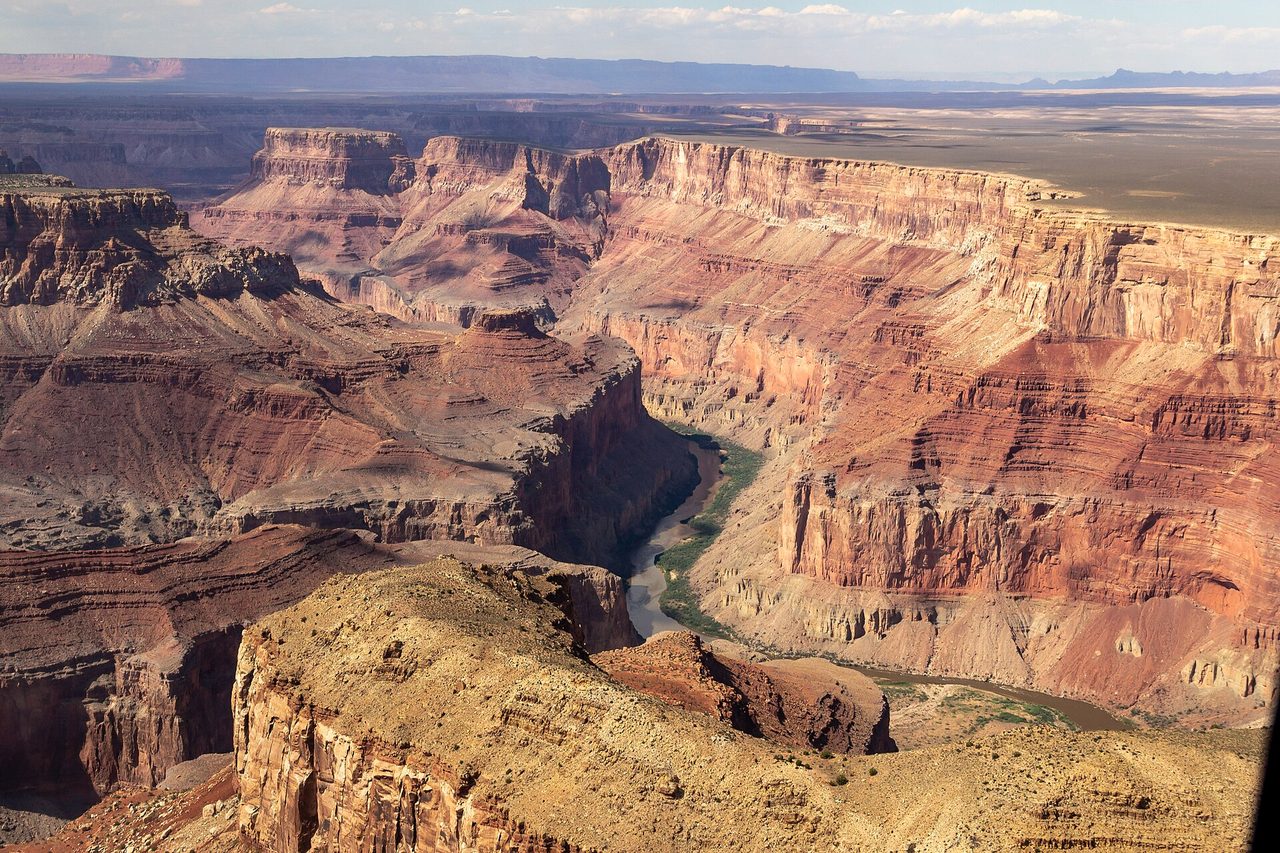
Photo: Dietmar Rabich / CC BY-SA 4.0 · via Wikimedia Commons
At 60, the Law That Let Americans Speak Up for Old Places Is Being Rewritten
A 1966 law whose teeth are Section 106
On Oct. 15, 1966, President Lyndon B. Johnson signed the National Historic Preservation Act, saying the country was being given back to its people. The law's engine is Section 106: any federal project carried out, funded, permitted or licensed must first identify historic places, consult state and tribal preservation officers, and look for ways to avoid or soften the damage. "Section 106 is in many ways the teeth behind the National Historic Preservation Act," Elihu Rubin, a professor of architecture and urban studies at Yale, told NPR. On its 60th birthday, advocates describe the statute as facing the gravest threat in its history.
The oversight council voted in July; the text sits in review
The first threat is regulatory. On July 24, 2026, the Advisory Council on Historic Preservation voted to advance a rewrite of the rules implementing Section 106, at 36 CFR Part 800. The National Conference of State Historic Preservation Officers and others say the draft redefines what counts as a historic property, narrows what counts as an adverse effect, and reduces the real role of state and tribal officers in consultation. The proposal is still under review at the Office of Information and Regulatory Affairs, has not been published in the Federal Register, and has not opened a formal public comment period, so the current rules remain in force.
A 417-page Senate bill makes the public optional
The second threat is statutory. On Sept. 30, Senators Mike Lee (R-Utah), Shelley Moore Capito (R-W.Va.), Martin Heinrich (D-N.M.) and Sheldon Whitehouse (D-R.I.) introduced the Bipartisan American Affordability and Jobs Act of 2026, or S. 5653, a 417-page permitting package whose energy and natural resources title rewrites preservation provisions. As The Washington Times summarized, consultation shifts from a mandatory "shall" to a permissive "may," the parties involved get 30 days to weigh in, and the public is no longer mentioned. Preservation Action calls it the most significant change to the act and to Section 106 in the law's history.
The Grand Canyon, tribal seats and Virginia main streets
NPR reports the council's plan would limit which properties can be considered historic, excluding "significant landscape features" such as the Grand Canyon, and make public comment optional while dropping required tribal consultation. The Washington Post reported that preservation groups say the draft deletes at least 18 separate references to public participation, access and notification. Valerie Grussing of the National Association of Tribal Historic Preservation Officers said the changes would roll preservation back "not just to pre-1992, but to pre-1966." On Oct. 9, tribal organizations wrote to Senate leaders asking them to strike the provisions, while local groups from Virginia to Hawai'i filed comments or passed opposing resolutions.
The East Wing and the arch: courtrooms replace consultation
The most visible cases are in Washington. The East Wing was demolished for a $400 million ballroom, and the National Trust for Historic Preservation sued the National Park Service in December 2025. In September a federal judge rejected its injunction request while saying an amended complaint could fare better; the Supreme Court ruled last month that the group likely lacked standing, letting work continue. That month, the ACHP vice chairman wrote to end Section 106 consultation on the president's proposed 250-foot triumphal arch. Charles Birnbaum of the Cultural Landscape Foundation called the move "boundary busting," adding that "gobsmacked" understated it. Three military veterans and an architectural historian are separately suing; Judge Tanya Chutkan ordered 48 hours' notice before arch-related work and 14 days before construction. In September the Trust announced its first $10 million legal defense fund.
Parks lose people before they lose statutes
Money and staffing are the third front. CNN reported that about 1,000 Park Service employees were fired in February 2025; the Sierra Club says the permanent full-time workforce has since fallen by nearly a quarter, and at least 20% of parks are significantly understaffed. This spring at least $67 million in entrance fees was redirected to projects in Washington. In September the Interior Department froze $26 million across 133 partnership agreements, hitting more than 70 projects worth at least $12.7 million at the Great Basin Institute and covering cultural preservation, wildfire readiness and the protection of Native American burial mounds. The Historic Preservation Fund's authorization lapsed in 2024; a bipartisan bill, H.R. 3418, would renew it at $250 million a year for 10 years.
A thousand organizations, one letter to the Senate
The counter-mobilization is taking shape. More than 600 groups sent Congress an open letter on Aug. 27, and on Oct. 15, the law's anniversary, the "106 Strong" campaign launched, saying it spans 1,000 organizations — religious, environmental and civil rights groups among them — plus Tribal Nations representing more than 9 million Americans, and calling for S. 5653's defeat. Greg Werkheiser of Cultural Heritage Partners warned that without firm federal provisions, "the natural instinct to just build as fast as you can, wherever you can, is going to take over."
Watch the Federal Register, then a floor vote
Two things to watch: when the proposed rule reaches the Federal Register and how long the comment window runs, and how S. 5653 moves in the Senate, where it also sets a 150-day deadline for legal challenges to Section 106 reviews. Reformers make a concrete case. The Bipartisan Policy Center argues that projects like the Boardman to Hemingway transmission line drive the push, and that the changes would not eliminate review but give developers a predictable timeline while funding state and tribal offices. Brent Leggs, president and CEO of the National Trust, answers that preservation has always worked through public and private partnership, and that "over the last year and a half, the federal government has divested that responsibility." More lawsuits, he said, are coming.
Sources
- NPR
- NHPR
- CNN
- Associated Press
- Architectural Record