China's Rich Race the October 22 Clock to Unwind Offshore Trusts
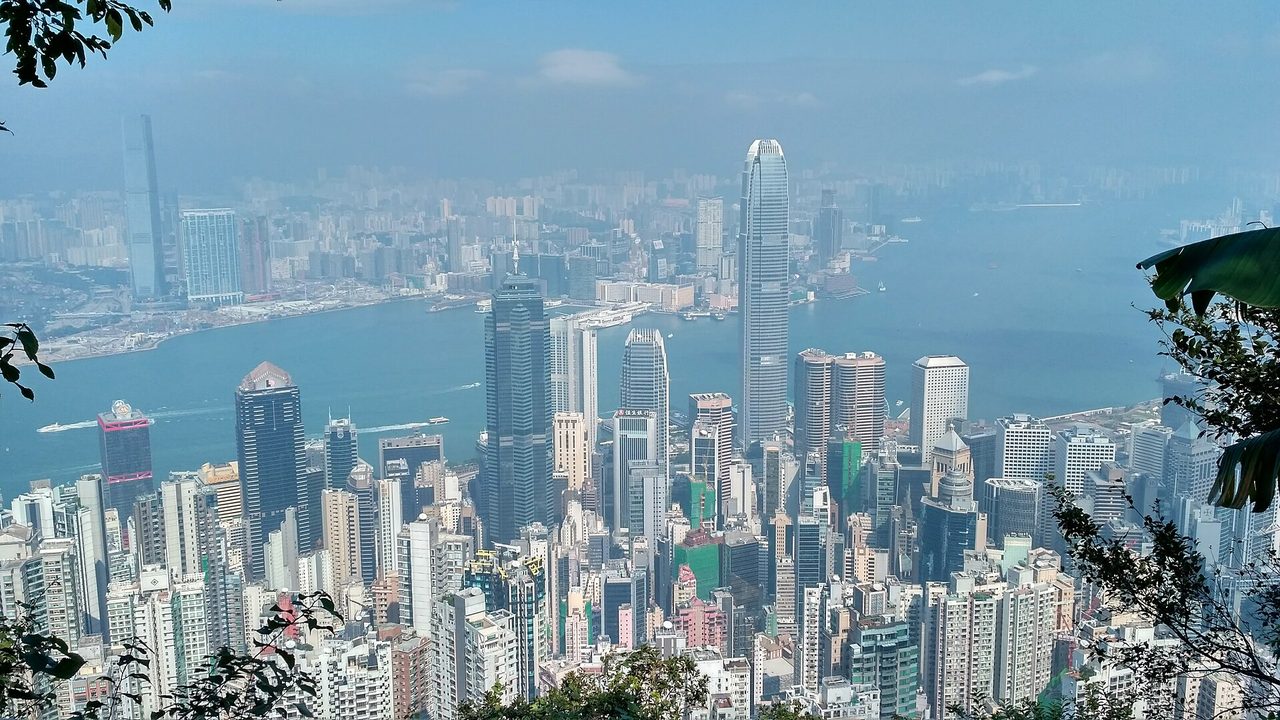
Photo: Sebastiandoe5 / CC BY-SA 4.0 · via Wikimedia Commons
China's Rich Race the October 22 Clock to Unwind Offshore Trusts
Trusts are being shut before they are ever funded
Some of China's richest people are winding down offshore trusts, selling shares and even switching nationality as a deadline to declare income booked overseas closes in, according to wealth advisers, lawyers and people familiar with the matter. One Hong Kong trust lawyer said clients have scrapped newly created trusts before putting any money into them.
Two July announcements put trusts inside the income tax net
On July 24, the Ministry of Finance and the State Taxation Administration issued Announcement [2026] No. 21, with the STA's Announcement No. 15 setting out filing requirements — together China's first individual income tax framework covering an offshore trust across its entire life cycle.
A 20 per cent levy at every stage of a trust's life
Funding a trust is now a taxable event: property moved in is treated as sold at fair market value, with a 20 per cent property-transfer gain. Income the trust accrues is attributed yearly to the resident settlor whether or not it is distributed, and distributions and termination proceeds are taxed at the same flat 20 per cent. Giving up PRC tax residence triggers a deemed disposal; inheritance without a resident successor is caught too. The rules reach back to January 1, 2023, with trusts deemed fully liquidated 60 days after termination.
The 90-day window shuts on October 22
A 90-day transitional period closes on October 22. Taxpayers who volunteer disclosure and settle historic liabilities inside it escape late-payment interest and administrative penalties; after that, interest runs at 0.05 per cent a day, plus penalties. Those with offshore trust income must compute what they owe themselves, file by the deadline and pay once the authorities confirm the figure, said Oscar Liu of wealth adviser JLT Legacy Group.
Beijing's line: compliance, not a raid
People's Daily's English edition pushed back on October 9, citing an expert who said foreign coverage ignores the policy's continuity, its transitional arrangements and its legislative intent — describing it as a lawful, compliant and internationally accepted step to improve transparency, prevent tax evasion and stem disorderly asset outflows. Official data show receipts rising: tax revenue grew 5.9 per cent in the first eight months of 2026, with the top 10,000 payers accounting for nearly half of it.
Why now: the land-sale machine has stalled
Bloomberg frames the campaign against a fiscal squeeze. Land-use-right revenue fell 28.6 per cent from January to August, after sliding from 8.7 trillion yuan in 2021 to 4.15 trillion yuan. Last year the state spent about $2.7 trillion more than it collected. Personal income tax receipts rose 14.5 per cent to 1.208 trillion yuan, and officials are examining the more than $2.45 trillion in wealth Chinese residents hold in Hong Kong. The STA has reportedly told staff to work from lists built on the Hurun wealth rankings, corporate filings and other public information.
Founders of overseas-listed companies are most exposed
JLT's Liu said the heaviest burden falls on founders of Chinese companies listed in Hong Kong and the United States, many of whom sold shares through offshore trusts at peak valuations between 2014 and 2020. In individual cases he puts the bill anywhere from a few million yuan to hundreds of millions, or even billions. KPMG found more than half of China's super-rich use offshore family trusts; Boston Consulting Group estimates China's offshore wealth at about $1.7 trillion.
Haidilao: a HK$2.75 billion share sale and a 100 million yuan loan
Haidilao co-founder Shu Ping sold 259 million shares through a family trust in September, raising about HK$2.75 billion, after her family was said to have received an unexpected tax assessment; the stock fell 9.1 per cent to a 52-week low. On October 13 the chain slid again after chairman Zhang Yong took a one-month loan of up to 100 million yuan at one-month HIBOR plus 60 basis points. A Guangdong textile owner told to pay $1.9 million on overseas trading profits plans to challenge it. One Guangzhou controlling shareholder had a 100 million yuan bill cut to 5 million yuan after threatening to move to Shanghai. A $50,000 annual cap on moving money across the border complicates payment.
Advisers: "the net is very wide"
Wei Kang, a partner at Charles Russell Speechlys, said liability hinges on whether a taxpayer's "principal economic interest" lies in China — a test not easily settled by residence or citizenship. "The net is very wide," she said. Singapore lawyer Ryan Lin: there is no running away; the only route is not to declare and to unwind. More than half of his 50-plus trust clients plan to declare and pay; the rest may dismantle their structures.
Hong Kong and Singapore feel the pull
Singapore's central bank told parliament that major banks had not reported a significant impact so far, noting S$6.7 trillion in assets under management in 2025 and more than 2,000 single family offices holding tax incentives. Article 13(6) of the Singapore-China double tax agreement could shelter Singapore tax residents from the trust transfer charge. Nikkei Asia said the rules are making waves in Singapore, with Hong Kong and Tokyo also under watch; bankers say Morgan Stanley's New York wealth arm has seen more inquiries, account openings and transfers from Hong Kong and Singapore.
What Beijing may actually collect
Barclays analysts see an extreme case of at most $100 billion, while a Chinese tax lawyer estimates the real take at $15 billion to $25 billion. Bank of America expects any disruption to show up stock by stock, with privately owned offshore-listed companies the most exposed. Markets are watching two things: whether more founders sell, and how the tax authorities handle payment terms on very large bills.
Sources
- Reuters: Analysis-China's super-rich scramble to exit offshore trusts, raise cash as taxman knocks
- Bloomberg: Beijing's tax sweep is spooking China's ultra-rich
- The taxman comes for China's offshore riches
- Chinese Wealth Shifts From Singapore Back to Hong Kong
- China set up special teams to track and tax the richest