Hospital Board Rebukes Kennedy: NIH Vaccine Injury Clinic Draws a Rare Revolt
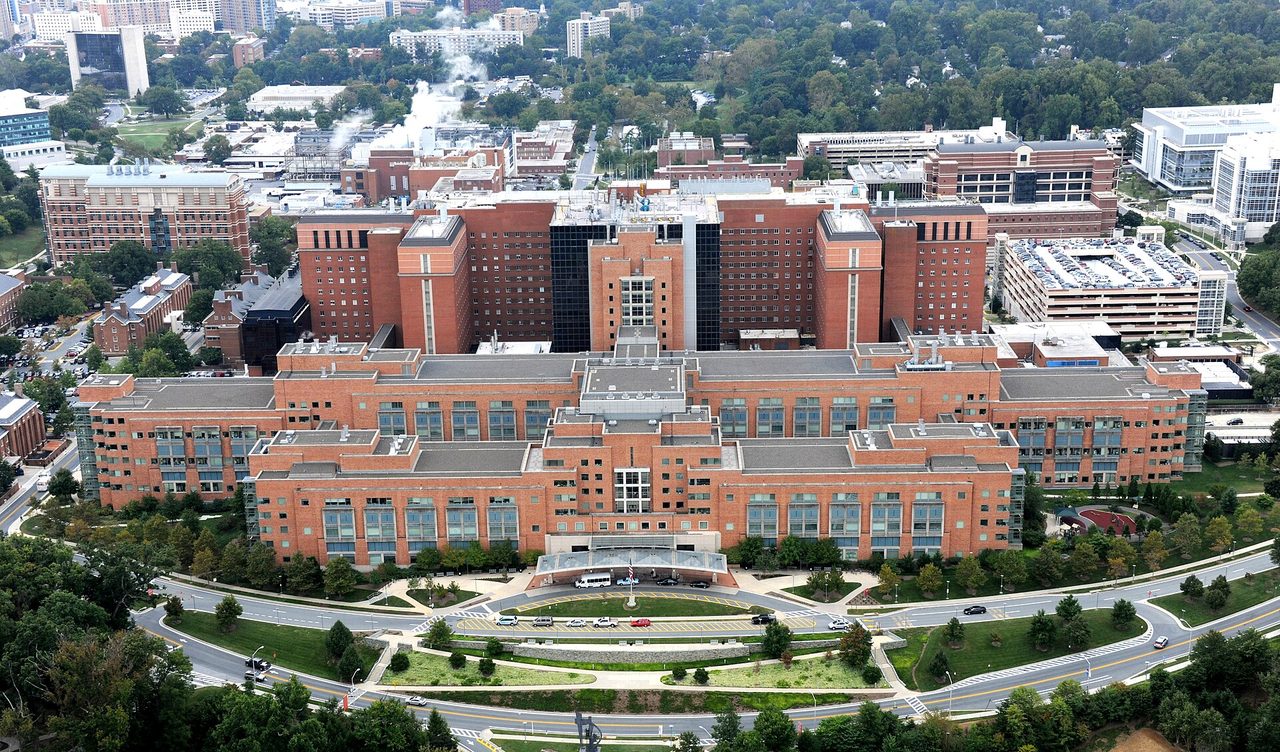
Photo: NIH Image Gallery / Public domain · via Wikimedia Commons
Hospital Board Rebukes Kennedy: NIH Vaccine Injury Clinic Draws a Rare Revolt
The Clinical Center's board breaks with the secretary
On Oct. 16, the board that oversees the National Institutes of Health Clinical Center voted unanimously to support a statement accusing Health Secretary Robert F. Kennedy Jr. of undermining trust in the hospital's work, according to The New York Times. The Clinical Center Research Hospital Board, created in 2016, advises NIH leadership on safety, quality and compliance. It has up to 14 non-federal members, including two patient advocates; its recommendations are non-binding and it holds no financial authority. The Oct. 16 session ran from 9 a.m. to 1 p.m. in Building 31 on the Bethesda campus and was streamed publicly.
A clinic that opened quietly on Oct. 5
At the center of the fight is a clinic NIH's Clinical Center opened on Oct. 5 to evaluate, study and care for patients reporting health problems after vaccination. HHS only announced it on Oct. 8, after Kennedy cut the ribbon alongside NIH Director Jay Bhattacharya, CDC Director Erica Schwartz, CMS Administrator Mehmet Oz and acting FDA Commissioner Kyle Diamantas. According to NPR, NIH told thousands of employees to work from home that day, and reporters were not invited; the event stayed quiet for three days.
Four agency moves — and a plan to pay doctors
HHS paired the clinic with three other actions: a CMS proposal to pay physicians for reporting suspected vaccine injuries to VAERS, the federal vaccine adverse-event reporting system; a requirement that electronic health records capture vaccine-related adverse events; and a modernization of VAERS itself. Per Bloomberg Law, the payment policy would take effect Jan. 1, 2027 if finalized, while separate diagnostic codes for Covid-19 vaccine injuries are set for Oct. 1, 2027.
Medical societies see skewed incentives
Medical groups pushed back in letters to CMS Administrator Oz. The Infectious Diseases Society of America called a standalone payment code "neither clinically necessary nor advisable as a matter of public health policy," warning it could suggest such effects are more common than the evidence supports. The American Academy of Neurology said the language could encourage "misattributing nonspecific symptoms to vaccination without clear clinical evidence." The American Nurses Association raised misuse concerns. Dorit Reiss of UC Law San Francisco told NPR the incentive invites gaming of VAERS; Elizabeth Jacobs, professor emerita at the University of Arizona, told MedPage Today the plan is "window dressing" for a problem that does not exist.
Supporters: patients finally heard
Backers are just as vocal. Joseph Varon of the Independent Medical Alliance said Kennedy "deserves real credit"; Brianne Dressen, injured in an AstraZeneca Covid-19 vaccine trial and treated at NIH in 2021, said it was the first time in years that vaccine-injured people had been heard by health authorities. Kennedy's own framing, in an Oct. 8 statement: "We must listen to patients and families who report vaccine injuries — not dismiss or gaslight them." In a video he called vaccine injury a "purposefully invisible" disease.
The numbers in the fight
Reuters notes the federal Vaccine Injury Table lists 14 compensable injuries across 16 vaccine types, and that the compensation program has awarded roughly $5 billion across about 12,300 injury and death claims since 1988. In his first year at HHS, Kennedy fired all 17 independent members of the CDC's vaccine advisory committee. Measles is rising as vaccination rates fall: Pennsylvania has confirmed more than 1,000 cases, the most in any state in 35 years, according to CIDRAP.
Why the board acted now
Kennedy has long linked vaccines to autism and chronic disease despite decades of studies finding no such link, and courts have blocked his changes to the childhood schedule and to the advisory panel he reshuffled. He presents the clinic as a step toward "earning back trust in our public health institutions" — the exact claim the hospital board's statement rejects. The dispute is less about whether to study vaccine safety than about who runs the studies, how, and at what cost to the hospital's credibility.
Who is affected
Bloomberg reported that the clinic's budget, patient-selection criteria, research protocol and leadership have not been made public, and that HHS and NIH did not answer questions. For patients, that leaves the path to enrollment and review unclear. For the hospital, which runs on nearly $700 million a year with 200 beds and calls itself the world's largest hospital devoted to clinical research, researchers fear scarce funds will duplicate settled questions and that political pressure will erode independence. Experts also stress that VAERS reports alone cannot establish cause.
What each side says
The department and Kennedy have not responded separately to the board's statement; pressed by reporters earlier, HHS repeated Kennedy's own language. The board's position is on the record in its statement. Medical organizations want research that is objective, transparent and free of political influence, while IDSA and the neurology academy oppose the standalone billing code. Supporters call the initiative overdue. Vaccine-safety experts — Daniel Salmon of Johns Hopkins, Michael Osterholm of the University of Minnesota's Vaccine Integrity Project, Paul Offit of Children's Hospital of Philadelphia — say the work must be done rigorously and question Kennedy's premises.
What to watch next
First, the CMS payment rule, due to take effect Jan. 1, 2027, with objections already on Oz's desk. Second, whether the clinic publishes a budget, protocol and leadership. Third, the fight over expanding the injury table and the appeals court's handling of Kennedy's vaccine advisers. Fourth, whether the White House keeps muting him before the midterms, having earlier urged him to stay quiet on vaccines for fear of damaging Republicans.
Sources
- The New York Times: N.I.H. Hospital Board Rebukes Kennedy Over New Vaccine Injury Clinic
- HHS Launches Agency-Wide Actions to Strengthen Vaccine Injury Research, Reporting, and Patient Care
- Reuters: US health secretary Kennedy launches new push on vaccine injuries
- NPR: Health Secretary Kennedy touts an initiative to study vaccine safety
- RFK Jr. Vaccine Injury Plan Rebuked for Skewed Doctor Incentives