Three New Tools Load a Modded RTX VBIOS Without Ever Flashing the Card
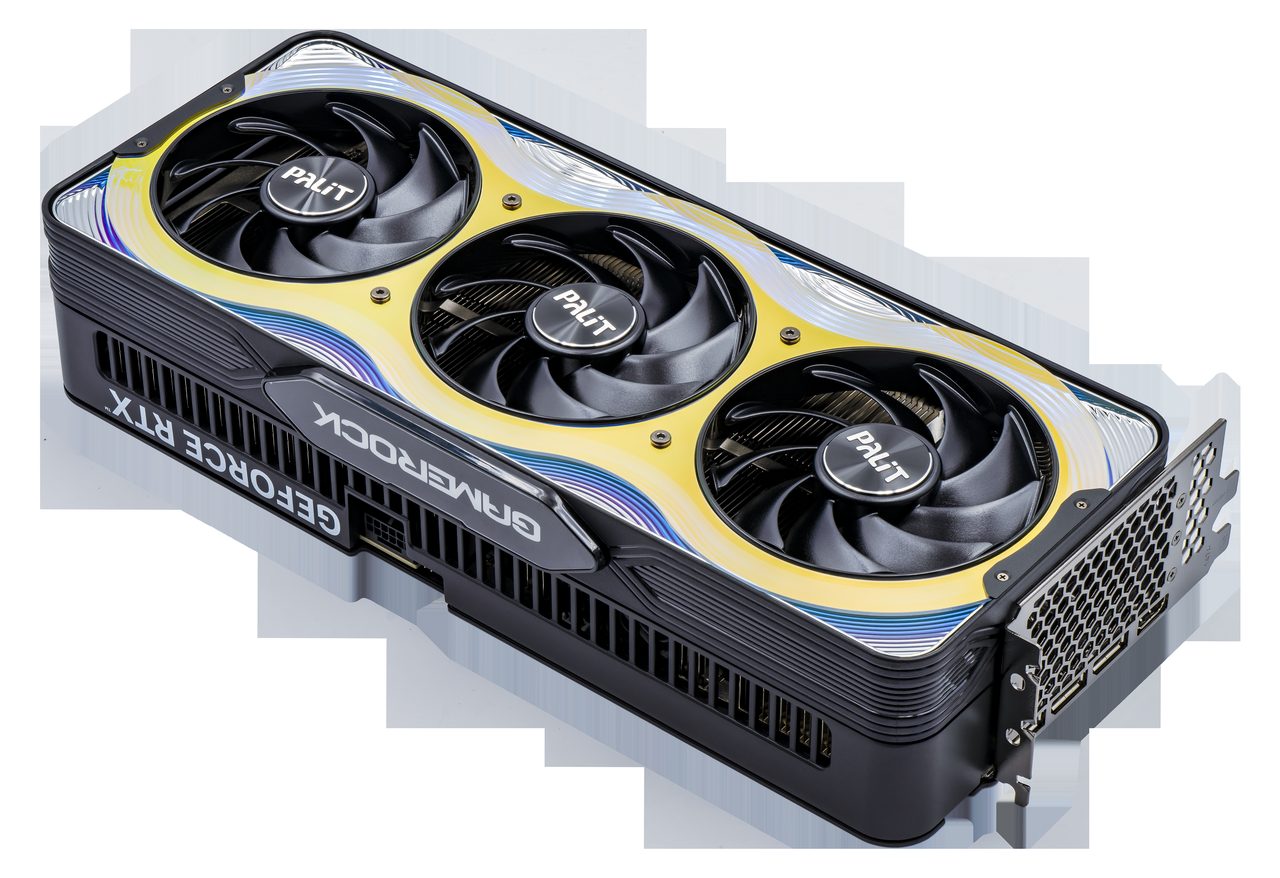
Photo: PantheraLeo1359531 / CC BY 4.0 · via Wikimedia Commons
Three New Tools Load a Modded RTX VBIOS Without Ever Flashing the Card
A trio of utilities edits firmware tables in memory
A developer known as Panchovix has published three utilities: the NVIDIA VBIOS Vix Editor for Windows and Linux, plus dedicated VBIOS Vix Loaders for Windows and Linux. As TechPowerUp, WindowsForum, GameGPU and Chinese outlet 快Tech report, they target GeForce RTX 50-series (Blackwell), RTX 40-series (Ada Lovelace) and RTX 30-series (Ampere) cards, along with some professional accelerators. The tools rewrite parameter tables inside the video firmware while never writing anything to the card's onboard SPI flash chip.
Power ceiling, voltage cap and offsets are all editable
The editor exposes board power limits, GPU voltage ceilings, overcurrent protection thresholds, fan channels, and the core and memory offset ranges. GameGPU notes that on some models the core offset range can open up to +2000 MHz and memory offsets to +6000 or +7000 MHz — figures that describe the tuning window, not a guarantee of stable overclocking.
Windows uses the registry, Linux patches the kernel module
On Windows the loader writes the edited image into the GPU driver's registry key; WindowsForum documents the mechanics as writing a vbios REG_BINARY value, setting EnableGpuFirmware to 0x11, clearing conflicting romOverride entries and restarting the device with pnputil — a GPU restart, not a full reboot. On Linux the loader patches NVIDIA's open kernel modules so the GSP firmware boots the custom image, with Fedora 43 the only distribution tested on real hardware so far.
Nothing is written to flash, so a driver reinstall resets everything
An edited image keeps NVIDIA's original signature, which no longer matches its contents, so it cannot be flashed with nvflash — skipping the flash is the entire point. The factory VBIOS stays untouched in physical flash, and reinstalling the driver restores stock behaviour, which means a bad edit will not permanently brick the board.
An RTX 5090 was tested from 600W up to 800W
The developer's own numbers are the most concrete part. TechPowerUp and GameGPU both describe a ROM that appears to be an RTX 5090 Founders Edition whose board power ceiling moved from 600W to 700W, with NVVDD and MSVDD voltage ceilings raised from 1,110 mV to 1,150 mV; in the developer's testing an RTX 5090 was pushed to an 800W limit. An RTX 5080 went from 360W to 500W, an RTX 5070 from 250W to 350W, an RTX 5060 Ti from 185W to 300W, and an RTX 5070 Ti was set to 450W.
An RTX 4090 was confirmed at 671W by nvidia-smi
Ada Lovelace gets a demonstration too. According to TechPowerUp and WindowsForum, an RTX 4090 running VBIOS 95.02.18 and driver 617.42 had its ROM power ceiling raised from 666W to 750W and its core offset range doubled to +2,000 MHz (with +1,200 MHz verified on Windows); nvidia-smi then confirmed a live power limit increase from 550W to 671W. GameGPU adds a separate example with an RTX 4090 set to 700W. The driver accepts the change; it is not a cosmetic edit to a file.
Memory timings stay locked and laptop RTX 40 is not covered
The limits are just as specific. Memory timings cannot be modified: the GPU reads memory strap timings straight from the physical flash during early initialisation, before any driver or GSP override exists, a wall both TechPowerUp and WindowsForum highlight. Coverage is uneven, too — laptop RTX 40-series cards cannot be edited yet, mobile RTX 50-series cards expose only some settings, and mobile RTX 30-series support is broader.
NVIDIA has said nothing, and the bar is driver 616.56
NVIDIA had not publicly commented on the route as the story broke. TechPowerUp notes that the Windows loader requires driver 616.56 or newer and writes the same registry values mVolt+ used, with no word yet on whether NVIDIA will close this path as well. The Linux route calls for a 615.x or newer driver, open kernel modules, the matching module source version, Python 3.11 or later and a configured GRUB; users with Secure Boot enabled need their own module signing key.
Precedent says firmware freedom gets shut down
The context matters. Back in 2023, patched tools broke NVIDIA's BIOS signature lock and enabled crossflashing between card models; in August this year NVIDIA killed mVolt+'s RTX 50 power limit unlock with a driver update. Historically, loosened firmware control has been a matter of when, not whether, the vendor responds.
Overclockers and laptop owners gain the most
The clearest winners are hands-on desktop enthusiasts, for whom raising power and voltage ceilings is the old way to let a flagship card use more of its thermal headroom. Laptop owners have a stronger motive, since their power walls are often locked by vendor firmware and an unflashed workaround is appealing. The counterweight sits with board partners and system builders: graphics card warranties typically class unauthorised firmware changes as user damage, and OEM laptops can block firmware writes through Secure Boot policy.
Without spare cooling and power, the hardware pays
Skipping the flash is not the same as skipping risk. The developer states plainly that users bear full responsibility for hardware damage, and warns that raising voltage ceilings and overcurrent thresholds can cause serious instability, so testing belongs on platforms with good cooling and power headroom. GameGPU likewise notes that changing voltage, power and current limits can lead to instability, overheating or hardware damage.
Next: driver updates and how vendors react
Three things are worth watching. Which driver release NVIDIA uses to close the path, whether distribution and kernel-module compatibility on Linux widens beyond Fedora, and whether laptop makers adjust their own power policies. The tools are out; the update cadence will decide how long they last.
Sources
- TechPowerUp: New Tools Let Users Edit and Load Modified VBIOS on GeForce RTX GPUs Without Flashing
- WindowsForum: NVIDIA RTX 50, 40 and 30 VBIOS Modding Without Flashing: Windows Registry Override Guide
- GameGPU: NVIDIA RTX 50, 40, and 30 series graphics cards now support VBIOS changes without flashing firmware
- HardForum: New Tools Let Users Edit and Load Modified VBIOS on GeForce RTX
- 纯软件破限!英伟达RTX全系显卡迎超频神器:5090上限提至800W