A $32 Million CEO Wants to Tax the Rich — Including Himself
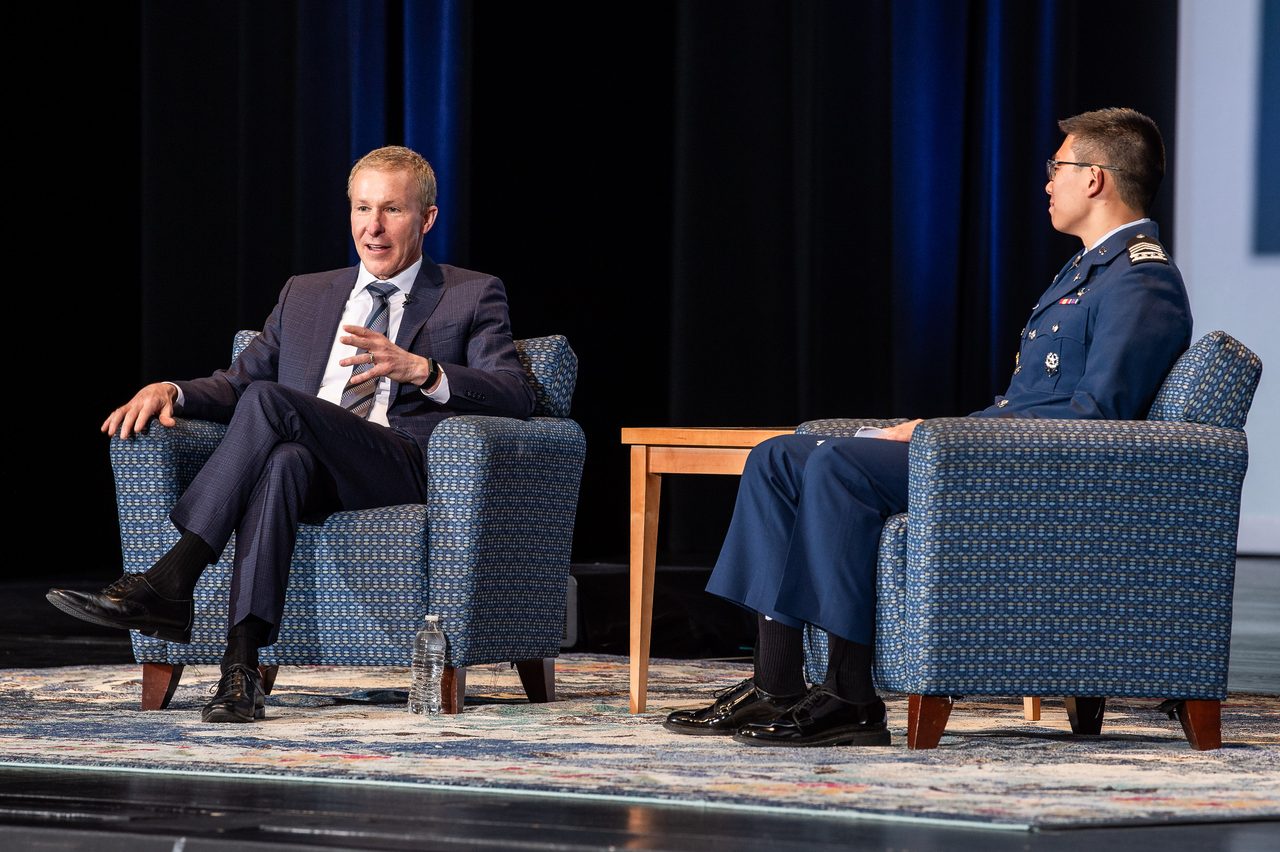
Photo: Rayna Grace / public domain · via Wikimedia Commons
A $32 Million CEO Wants to Tax the Rich — Including Himself
A populist turn in an airline interview
United Airlines CEO Scott Kirby told The New York Times in an interview published Oct. 18 that the United States should adopt a national wealth tax and inheritance taxes that rise to close to 100% at some level. Wealth inequality has become a danger to our society, and we need to address that, he said, adding: I would pay them. The remarks came when he was asked about eroding public trust in chief executives.
Why he says states cannot do it alone
Kirby argued that a wealth tax would fail if left to individual states because people will just move. Only a federal levy, he said, could prevent avoidance by relocation. He did not name a rate for the wealth tax or the inheritance threshold at which a rate near 100% would apply, according to Times reporting cited by EconoTimes and Yahoo Finance.
The pay package fueling the backlash
Much of the reaction centers on Kirby's own compensation. United's 2026 proxy statement lists his total compensation for fiscal 2025 at $32,282,253, including $22,565,804 in stock awards valued at grant date, EconoTimes reported. The company put median employee total compensation for 2025 at $96,670, producing a CEO-to-median-employee ratio of about 334 to 1. Fox Business and the New York Post rounded the package to about $32.3 million.
How far his plan goes beyond current law
Current U.S. law is far less aggressive. Fox Business and the New York Post, citing the IRS, report the federal estate tax has a top marginal rate of 40% on taxable estates above exemptions, with a basic exemption of $15 million per individual in 2026. Yahoo Finance adds that only 0.2% of estates are large enough to be taxed, and only the amount above the threshold is taxed. There is no federal tax on individual heirs, though a few states impose their own inheritance taxes.
Defense of fees sits beside the tax call
The tax proposal emerged alongside a defense of airline pricing. Kirby, 59, told the Times that flying is expensive and that passengers who pay more receive more, defending extra charges for window and aisle seats. He also said America's future is incredibly bright, the Post reported. Supporters read the combination as candor; critics read it as a wealthy executive defending his business model while calling for symbolic sacrifice.
What happens next in Washington and United
Neither a federal wealth tax nor a near-100% inheritance levy has a near-term path in Congress, given legal challenges over valuation, constitutionality and revenue design. The story's staying power comes from its political symbolism: a sitting airline CEO breaking with his peer group, and a fresh data point for debates over CEO pay disclosure. Watch for whether lawmakers cite Kirby, whether United addresses the 334-to-1 pay ratio, and whether Kirby fills in the missing rates and thresholds.
Sources
- The New York Times: Scott Kirby Gets Candid interview(10月18日刊出,经雅虎财经、福克斯Business引用)
- New York Post: United CEO Scott Kirby — who earned $32M last year — calls for national wealth tax on the rich
- United Airlines CEO calls for national wealth tax, inheritance taxes approaching 100%
- United Airlines CEO says US should have an inheritance tax 'close to 100%' and he'd pay it
- EconoTimes: United CEO Calls for National Wealth Tax, Inheritance Levies Near 100%