Cornell’s "Jane Doe" Sends Letter to Faculty Senate Saying She Felt "Unsupported and Disbelieved" by President
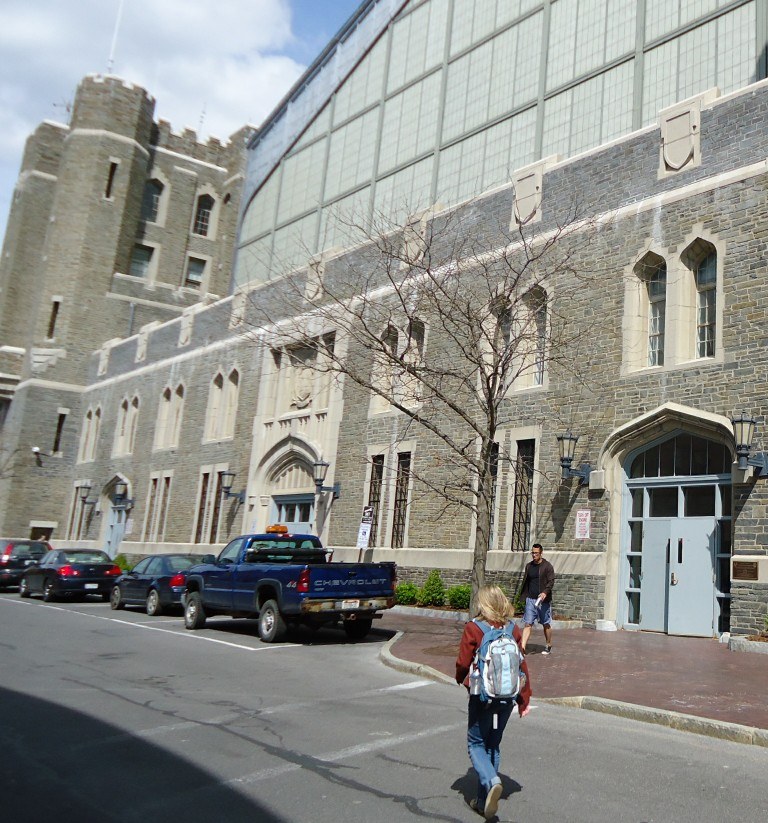
Photo: Tomwsulcer / CC0 · via Wikimedia Commons
Cornell's "Jane Doe" Sends Letter to Faculty Senate Saying She Felt "Unsupported and Disbelieved" by President
Allegations from a "Jane Doe" and a Letter to the Senate
A former Cornell University student using the name Jane Doe alleges she was drugged with ketamine and sexually assaulted for hours by members of the Chi Phi fraternity at a party at their fraternity house in October 2024. She reported the alleged assault to campus authorities in 2024, according to her lawsuit. On September 14, 2026, she sued Cornell and seven Chi Phi members under the name Jane Doe, accusing the university of negligence, breach of contract, and violations of state human rights and education laws. Now, on the eve of a Faculty Senate vote on a no-confidence resolution targeting President Michael Kotlikoff, she has sent a letter to faculty leaders saying the university president left her feeling "unsupported and disbelieved."
Cornell: question was aimed at bystanders, not the report
A Cornell spokesperson told CNN and CBS News that the account in Doe's letter is an "incorrect" second-hand version of a January 2025 conversation between Kotlikoff and the then-president of Cornell's Tri Delta sorority chapter, "based on a documented first-hand account." The university said Kotlikoff's question — "why did it take so long for the assault to be reported" — was directed at bystanders who did not use Cornell's anonymous tip line despite ongoing social media activity about the incident in October 2024, and that "he was not questioning Jane Doe's reporting." Kotlikoff, in an October 13 interview with The New York Times, acknowledged that he knew in November 2024 a student had reported a sexual assault but did not follow up with Jane Doe in the months afterward; he called the allegations "deeply disturbing" and said he and other officials did not have the full picture of her claims.
Why the Letter Feeds a No-Confidence Vote
Doe's two-page letter, dated October 14 and sent to the Dean of Faculty and the Speaker of the Faculty Senate, recounts what she calls a second-hand account of Kotlikoff's January 2025 conversation with the sorority president. According to Doe, Kotlikoff asked, "Why did she wait so long to report it?" and the sorority president interpreted the remark as casting doubt on the veracity of Doe's account. Doe wrote that hearing of the comment "diminished my confidence in the administration's ability to approach my experience with the understanding, sensitivity, and fairness I had hoped for and expected from what had been my dream school." She said she was sharing the account so senators could "make an informed choice," not to dictate how they should interpret it. The Faculty Senate is debating a one-sentence resolution stating that it "has no confidence in the ability of the central administration to effectively address the ongoing crisis of sexual assault at Cornell University," sponsored by ILR School professor Paul Ortiz with co-sponsors Iris Packman and Richard Bensel.
Roughly 130 senators weigh a no-confidence vote
The Faculty Senate has roughly 130 senators and no power to remove the president, but a no-confidence vote would be a strong rebuke of Kotlikoff, who has retained the support of Cornell's board of trustees. At the October 15 meeting, Kotlikoff left before the resolution was debated; faculty member Noah Tamarkin then pressed him on why two of the students allegedly involved in the incident were still allowed to continue their education on campus, saying students and staff "don't feel safe with these men on campus." Cornell has said its investigation led to suspensions and expulsions and that no criminal charges were filed. Front Page Detectives reported that some faculty members said they did not receive Doe's letter before the vote was put to the floor, calling it a "silencing" of her voice. Cornell has also hired former acting U.S. Attorney General Sally Yates to lead an independent review of the school's response to Doe's allegations and its broader sexual misconduct policies.
Five days of electronic voting and an independent review
The Senate's deliberations are scheduled for October 14 and October 28, followed by five days of online, private electronic voting in which each senator receives a unique link. Cornell announced a slate of new initiatives the day before the October 14 meeting, a move Ortiz called "appalling," saying it took "so much trauma, so much student organizing and especially the suffering of Jane Doe" to prompt change. The vote outcome and the Yates review's findings will shape the next phase of scrutiny over the allegations and the university's governance. All allegations remain claims in a pending lawsuit and have not been adjudicated; the university disputes key elements of Doe's account.
Sources
- CNN: Jane Doe said she felt 'unsupported and disbelieved' by Cornell president in letter sent to faculty leaders
- People: Cornell Jane Doe Writes Letter to Faculty Senate, Says She Felt 'Disbelieved' After Alleged Gang Rape
- The Guardian: Former Cornell student alleging sexual assault says she felt 'unsupported' by university's president
- The New York Times: Jane Doe says she did not feel supported by Cornell's president.
- CBS News: Cornell responds to Jane Doe's letter saying she felt disbelieved, unsupported by school president