Meta Ordered to Pay New Mexico 5 Billion in Cambridge Analytica Privacy Case
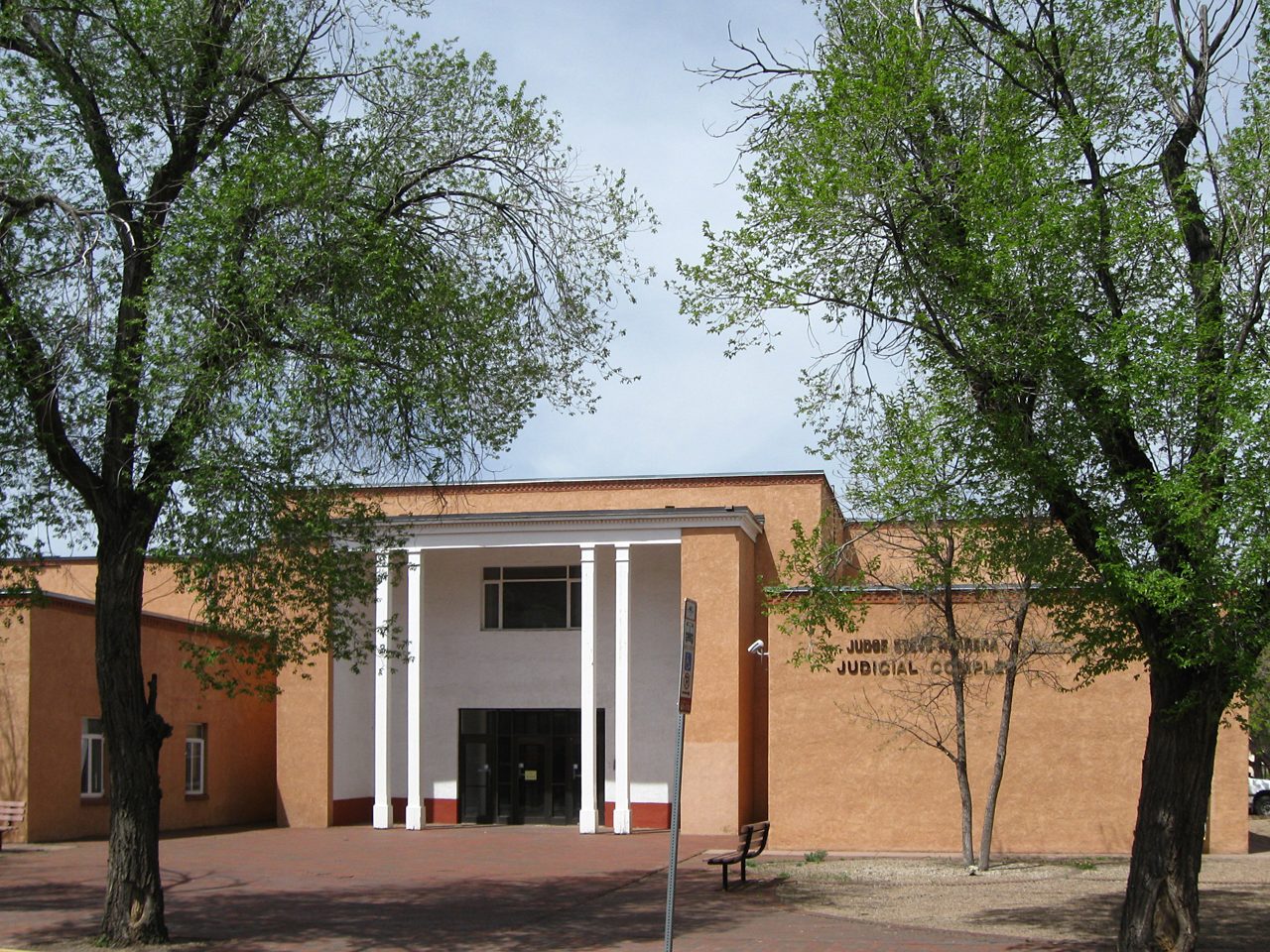
Photo: public domain · via Wikimedia Commons
A $25 Billion Order From a Santa Fe Judge
A New Mexico district court judge ordered Meta Platforms on Wednesday to pay $25 billion to the state over the Cambridge Analytica data-privacy case, turning a scandal that broke in 2018 into what state prosecutors call one of the largest verdicts ever won by a US state against a single company. Judge Francis Mathew of the First Judicial District Court of New Mexico handed down the amount in a court filing.
September Jury Found More Than 43 Million Violations
Jurors in Santa Fe found on September 25 that Meta was liable for more than 43 million violations of New Mexico's Unfair Practices Act. On the verdict sheet, the jury found between 1.3 million and 2.1 million violations for most of the 34 statements at issue. The state argued that Meta had lied to users in New Mexico about who could access their data, how the company handles hate speech and misinformation on the platform, and the existence of exceptions to its own internal policies.
Maximum $5,000 Per Violation Applied
Mathew wrote that the extraordinary number of willful violations found by the jury, the duration and repetition of the conduct, the breadth of subjects covered, the involvement of senior Facebook leadership, the size of the New Mexico audiences reached, and the clear intentional and systematic nature of the repeated misstatements supported the highest penalty allowed under the state's Unfair Practices Act: $5,000 per violation found by the jury. He added that Facebook's wrongdoing went "to the heart of Facebook's core business practices."
State Asked for $35 Billion to $40 Billion
At an October 1 hearing, New Mexico lawyer Randi McGinn asked the court to award between $35 billion and $40 billion, saying that amount would be supported by constitutional due-process protections and the jury's verdict. Meta's lawyers urged the judge to cap penalties at about $3.4 billion, warning that a larger award would be unconstitutional, would not survive appeal, and could scare businesses out of the state.
Money Goes to the School System
State law directs all of the money into New Mexico's school system, the attorney general said after the ruling.
Torrez Calls It a Warning to Silicon Valley
Attorney General Raúl Torrez called the award "one of the largest, if not the single largest state verdict against a company in American history," and said the judgment should be "a signal, an unambiguous message, to Silicon Valley." He said New Mexico would keep holding technology companies accountable.
The Only State That Took Meta to Trial
New Mexico was the only state to pursue a trial over the Cambridge Analytica scandal after 48 other states signed an $18 billion settlement in August. Besides New Mexico, Florida was the only other state that did not sign that settlement, which released Meta from future liability tied to the privacy breach. New Mexico's attorney general had sued Meta in 2021.
A Second Loss in the Same Courthouse
In March, a Santa Fe jury found that Meta had misled users about young people's safety and ordered it to pay $375 million. After a second phase of that trial, a judge directed Meta to put $567 million into a fund to combat the youth mental-health crisis. Meta objected to that ruling and said it intends to appeal.
87 Million Users Started the Case
The trial grew out of the 2018 revelations that Cambridge Analytica, a British political consulting firm involved in Donald Trump's 2016 presidential campaign, harvested personal data from as many as 87 million Facebook users through a third-party app and used it to target political advertising.
Appeal Could Shrink the Number
Meta had already said it planned to appeal the September verdict and did not immediately respond to a request for comment on the amount. The state is also seeking an injunction to stop similar practices. Meta's lawyers argued that it would be unprecedented for the state to count violations based on how many individuals may have heard or seen the misleading statements, and that reducing the number of violations would reduce the total penalty.
Sources
- CNBC: Meta ordered to pay $25 billion penalty in New Mexico Cambridge Analytica case
- Associated Press: Meta ordered to pay New Mexico $25 billion after Cambridge Analytica trial
- BBC: Meta fined $25bn for ‘lies’ over user data privacy
- Bloomberg Law: Meta to Pay Historic $25 Billion in New Mexico Deception Case
- Quartz: Meta ordered to pay $25 billion over Cambridge Analytica data privacy