Washington Targets Beijing Incubator in First PAIPA Sanctions Tied to Google Secrets Theft
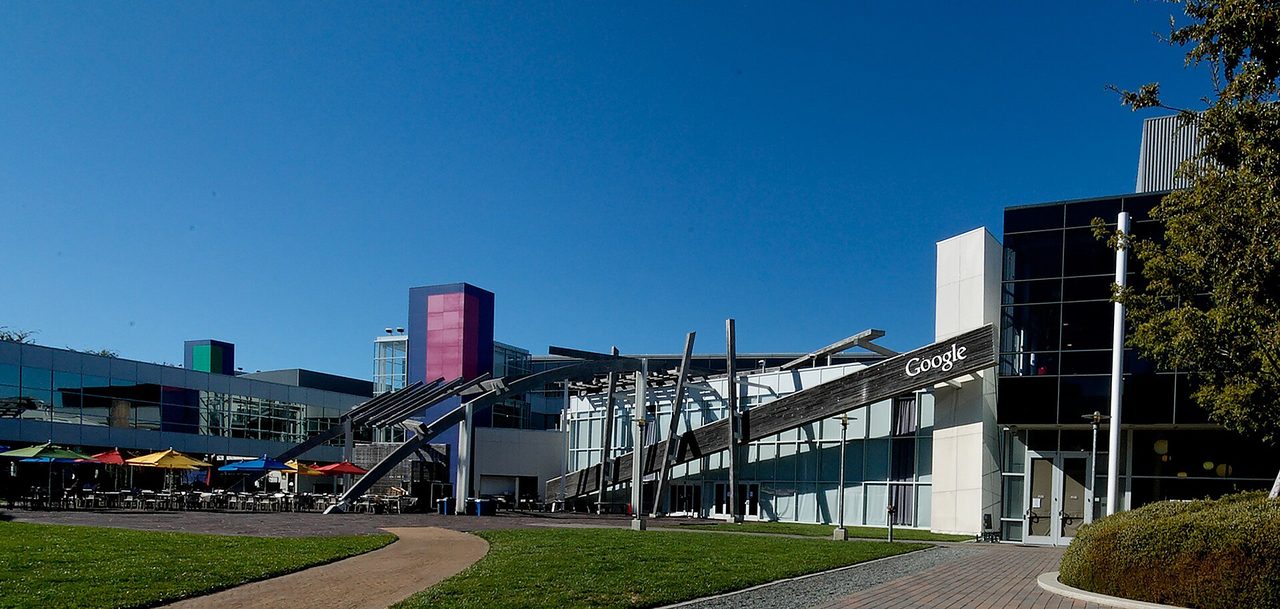
Photo: Sebastian Bergmann / CC BY-SA 2.0 · via Wikimedia Commons
Washington Targets Beijing Incubator in First PAIPA Sanctions Tied to Google Secrets Theft
Five entities named under a rarely used IP law
The U.S. State Department announced on October 19 that it was sanctioning five Chinese entities under the Protecting American Intellectual Property Act of 2022. The designated entities are Shanghai Zhisuan Technology Co Ltd; Qiji Chuangtan Beijing Investment Management Co Ltd, better known as MiraclePlus; two venture funds it manages, Beijing Qiji Chuangtan Phase I and Phase II; and Zhiyuan Enterprise, a partnership wholly owned by the Phase I fund. The Treasury's Office of Foreign Assets Control placed all five on its Non-SDN Menu-Based Sanctions List and issued two general licenses alongside the action.
Beijing condemns the move as egregious
China's commerce ministry responded on October 20 with what the Associated Press described as "firm opposition." The ministry said the sanctions severely harmed the lawful rights and interests of Chinese businesses, called the nature of the act egregious, and demanded that Washington correct what it termed an erroneous practice. Beijing added that it would take "necessary measures," without specifying what those might be.
The designations trace back to engineer Linwei Ding
The sanctions grow out of the case of Linwei Ding, a former Google software engineer charged in 2024 with stealing the company's artificial intelligence trade secrets while secretly working with two China-based companies. In January, a federal jury in San Francisco convicted him on seven counts of trade-secret theft involving thousands of pages of confidential material covering Google's AI infrastructure. On August 20, a federal judge granted Ding a post-trial acquittal on the separate economic-espionage counts, ruling that prosecutors had not proved beyond reasonable doubt that he knew his theft would benefit the Chinese government. The Justice Department is appealing that ruling.
A startup built on Google know-how, seeded by MiraclePlus
According to the State Department, Ding founded Shanghai Zhisuan Technology in 2023, marketing it as capable of building software to accelerate machine-learning workloads, including training large-scale models on supercomputing chips. In May 2023, he applied on Zhisuan's behalf to a startup incubation program run by MiraclePlus, which provided seed capital in exchange for an ownership stake. Appearing on a MiraclePlus stage, Ding touted his connection to Google technology and his ability to replicate it to fit China's national conditions.
Asset freezes, credit curbs and a wind-down window
The PAIPA measures applied to the five entities include blocking their property under U.S. jurisdiction, restricting credit from American financial institutions, curbing certain foreign-exchange and banking transactions, and limiting U.S. investment in the firms, with an explicit carve-out for imports of goods. Treasury's second general license authorizes transactions needed to wind down dealings with MiraclePlus and its three related entities through 12:01 a.m. ET on January 19, 2027. Shanghai Zhisuan is not covered by that wind-down authorization.
Hitting an incubator sends a wider signal
MiraclePlus, the successor to Y Combinator's former China operation, is one of the country's best-known early-stage startup incubators, and sanctioning it alongside its funds marks an unusual escalation. Rather than targeting only the company accused of holding stolen technology, Washington is reaching into the financing and incubation chain behind it. For venture firms operating between Silicon Valley and China, the message is that seed money and demo-day stages can themselves draw sanctions exposure.
A light sentence keeps the case in the headlines
Ding was sentenced on September 1 to 12 months minus a day in prison, two years of supervised release, more than $198,000 in restitution to Google, and a $2,500 fine. The sentence, following the dismissal of the espionage counts, struck many observers as lenient given the scale of the theft alleged. With prosecutors appealing the acquittal, the legal characterization of his conduct remains unsettled, and the appeal's outcome will shape how the sanctions narrative is read in both capitals.
What to watch: retaliation, divestment and the appeal
Three things come next. First, whether Beijing follows its "necessary measures" warning with concrete retaliation, adding intellectual-property enforcement to a confrontation already spanning chips, rare earths and tariffs. Second, how MiraclePlus unwinds its affected funds before the January 2027 wind-down deadline. Third, whether the Justice Department succeeds in reinstating the espionage convictions, which would harden Washington's framing of the case as state-directed theft rather than commercial misappropriation.
Sources
- Beijing blasts US sanctions on 5 Chinese firms tied to ex-Google engineer
- U.S. sanctions 5 Chinese firms linked to convicted ex-Google engineer
- US sanctions 5 Chinese entities over ex-Google engineer's AI trade secrets theft
- Imposing Sanctions to Protect Americans from Intellectual Property Theft Fact Sheet
- Protecting U.S. Intellectual Property From PRC