Sixteen Years to a Down Payment: The Wait for a First Home Has Doubled
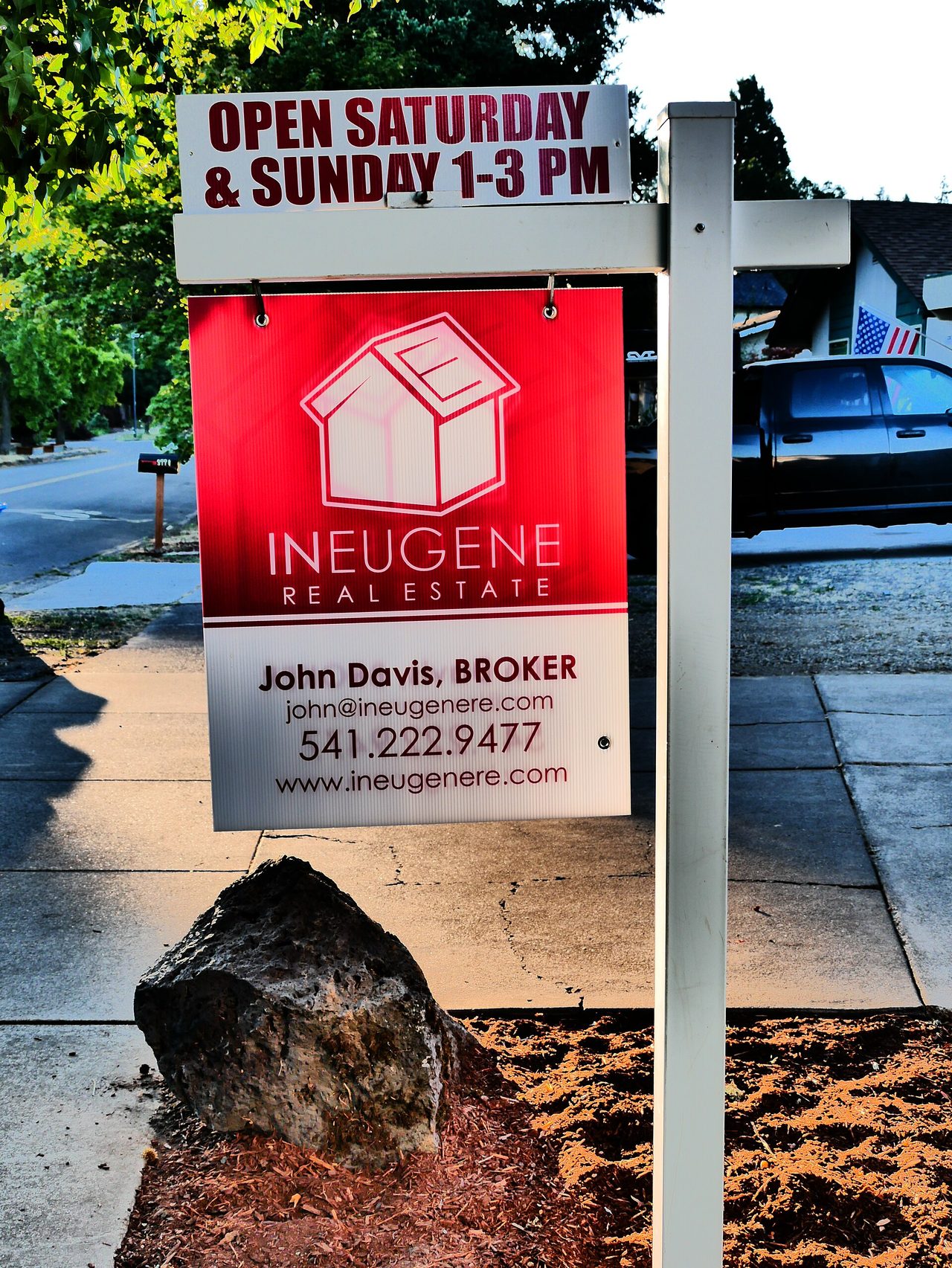
Photo: Rick Obst / CC BY 4.0 · via Wikimedia Commons
Sixteen Years to a Down Payment: The Wait for a First Home Has Doubled
A sixteen-year wait for a starter home
For a renter household at the median income, it now takes 16 years to save enough for the down payment and closing costs on a starter home — twice as long as it did in 2019. That figure comes from the Center for Responsible Lending and its Julian Bond Institute, which published a new calculation on October 22. It is not an estimate dressed up as analysis; it is a line-by-line accounting of what a household has to set aside before it can sign anything.
What the report actually assumes
Mike Calhoun, the center's president, said in NPR's reporting that the time required to save a down payment and closing costs has doubled over the past seven years. The calculation assumes a 3.5% down payment, the minimum the Federal Housing Administration requires of first-time buyers — even though the median first-time buyer actually puts down closer to 10%.
Sixteen years, or twenty-one
A median-income renter household needs 16 years. A median-income Black renter household needs 21 years. And even among middle-income households earning roughly $50,000 to $120,000 — the group most likely to become homeowners — the savings timeline has doubled as well, to 12 years.
A starter home now costs $335,574
The report puts a starter home at $335,574, or 80% of the median sales price of existing homes. The entry-level house is no longer the cheap one on the block; it is the ordinary house with a modest discount attached.
Home prices outran income for years
Investopedia reports that home prices have climbed about 54% nationwide since 2020. In the 1990s, the median existing single-family home cost 3.2 times median household income; by 2025 that ratio had reached 4.7. Asking rents sit 29% above 2020 levels, so the savings rate that a renter can actually maintain keeps shrinking.
Rates and payments squeeze from both sides
The average 30-year mortgage rate rose to 7.4% on October 8, up from 6.3% a year earlier, and Redfin projects that it will take five to 10 years for housing costs to return to where they stood in 2018. Zillow's numbers show the squeeze from the renter's side: the median household spends 26.3% of its income on a new rental against 41.3% for a new homeowner, and the income needed for a typical rental is $77,278 versus $121,496 for a typical home — a gap of more than $44,000.
Who is worst off
In CNBC's quarterly survey with SurveyMonkey, 34% of renters said they want to own a home but will never be able to afford one. Another 52% said they cannot afford a down payment, 47% pointed to incomes or credit scores too low to qualify, and 42% blamed mortgage rates. Fortune, citing Harvard's Joint Center for Housing Studies, noted that a record 22.7 million renter households — 49% of all renters — spent more than 30% of income on housing in 2024, and 12.1 million of them spent more than half.
Family savings have become the down payment
NPR reported that for younger buyers, "the overwhelming way people come up with the money is from assistance from family," the so-called bank of mom and dad, along with friends. New York Post, citing a Rocket analysis, reported that the median first-time buyer in New York City puts down $265,000 — 30% of an $883,333 purchase price — and would need 65.2 years at a 5% savings rate, with the median household income there at $81,228, or just over $4,000 a year set aside.
Houston to Los Angeles: a two-fold spread
The national average hides far bigger differences by metro. The report's estimates run from 11 years in Houston to 24 years in Los Angeles.
The national balance sheet
Fortune put the cost of the American Dream at $5.3 million, with even college graduates $1.2 million short. The typical American buyer put down $64,000, or 15% of the purchase price, roughly double the pre-pandemic dollar amount, and Redfin estimated a household needs about $109,800 a year to afford the typical home against a median household income of roughly $87,600.
Starts down 4.6%, first-time buyers now 40 on average
Construction is slowing while buyers age. Daily Caller News Foundation, citing Census Bureau data, reported single-family housing starts falling 4.6% and permits for future single-family construction dropping 4.0%, with the average 30-year mortgage rate at 7.40%, builder confidence at its lowest in 14 years, and the average first-time homebuyer reaching a record age of 40.
Sources
- NPR: Saving to buy a first home now takes twice as long : NPR
- GPB: How long does it take to save up for a starter home? Twice as long as it did in 2019
- NHPR: How long does it take to save up for a starter home? Twice as long as it did in 2019
- Streamline Feed: Saving for a Starter Home Now Takes 16 Years for Median Renters, Report Finds
- Headlines Orbit: Renter Savings for Down Payments Doubles to 16 Years Amid High Costs