NASA Bets the Moon on a 2027 Dress Rehearsal
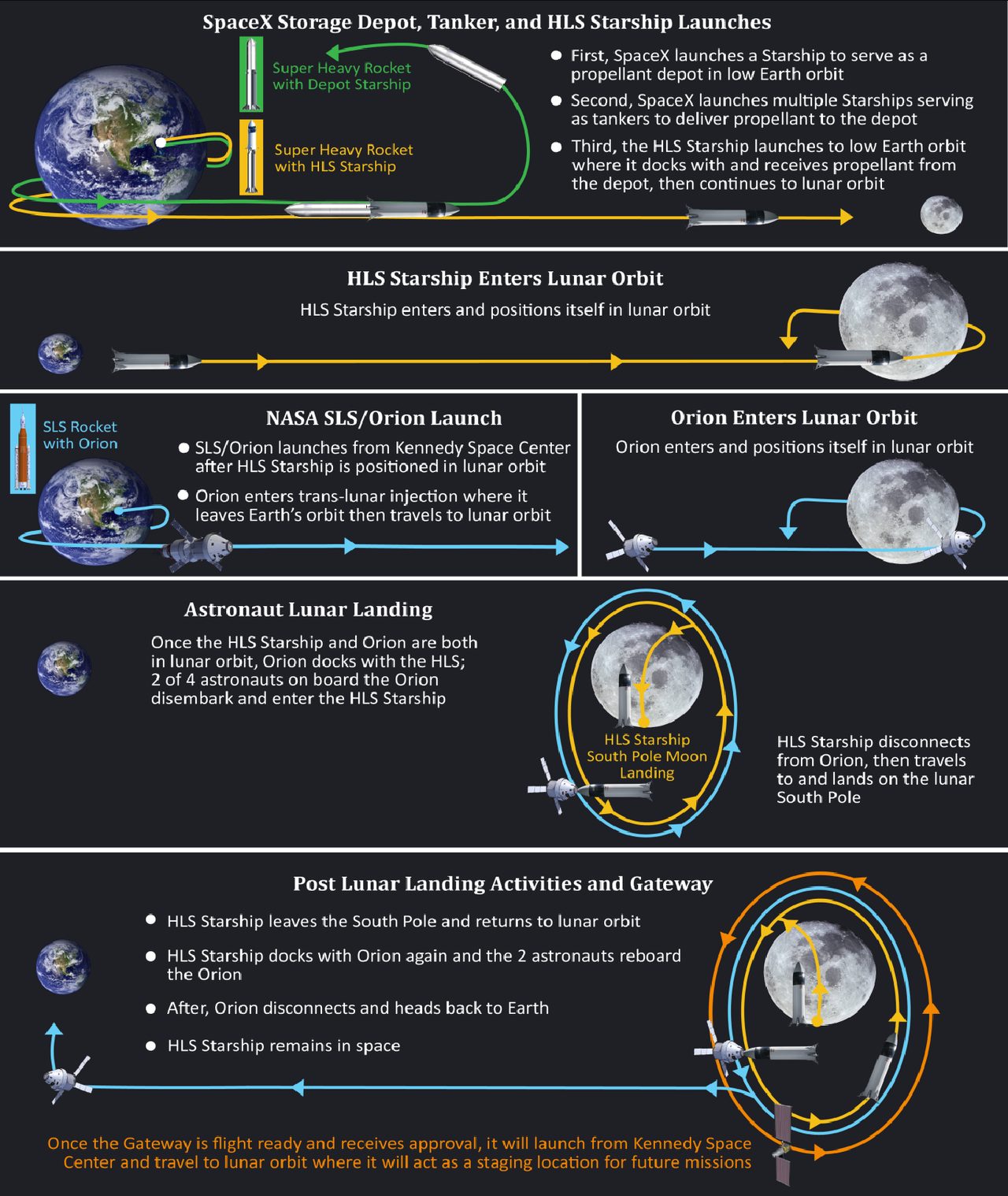
Photo: NASA Office of Inspector General / Public domain · via Wikimedia Commons
NASA Bets the Moon on a 2027 Dress Rehearsal
A 2028 landing, and a base to follow
NASA confirmed on October 23 that Artemis IV will attempt a crewed lunar landing in 2028 and begin building a Moon base. It would be the first time astronauts set foot on the surface since the Apollo program ended in 1972, with the lunar South Pole as the target. The schedule is openly aimed at beating China's stated goal of reaching the Moon before 2030.
The administrator talks urgency, not patience
Administrator Jared Isaacman framed the plan as carrying out the national space policy: returning American astronauts to the surface in 2028 and establishing a Moon Base. He pointed to the SLS rocket and the Orion capsule as a proven foundation, with landers from SpaceX and Blue Origin in development, adding that the agency's machine shops are running around the clock rather than waiting for the pieces to fall into place.
Artemis III becomes an orbital exam
The former landing mission, Artemis III, has been recast as a 14-day shakedown cruise in the summer of 2027. Four astronauts aboard Orion will stay in low Earth orbit, a few hundred kilometers up, practicing rendezvous and docking with test articles of Blue Origin's Blue Moon Mark 2 and SpaceX's Starship Version 3. The crew is expected to board the Blue Moon test vehicle for about two days to check life support, controls and habitability, but will not enter Starship; the Starship docking demo is to last up to two hours.
Three rockets, one crew of four
The rehearsal needs three heavy launchers working in sequence: a New Glenn lifts the Blue Moon test article first, then SLS launches Orion with the crew once the lander checks out, with the Starship test vehicle joining later. The crew is named: NASA astronauts Randy Bresnik, Frank Rubio and Andre Douglas, plus European Space Agency astronaut Luca Parmitano.
Uncrewed demos decide who flies the crew
Before any astronaut lands, both providers must land without one. SpaceX is targeting the fourth quarter of 2027 for its uncrewed demonstration and Blue Origin the first quarter of 2028, while Blue Origin's smaller uncrewed Mark 1 cargo lander, Endurance, is due to fly to the Moon in 2027. NASA says it will delay the choice of which lander carries the 2028 crew for as long as possible, letting hardware progress decide.
Refueling math hangs over Starship
Starship's hardest problem is orbital refueling: it burns so much propellant climbing to orbit that tanker Starships must top it up in space, like fighter jets refueling midair. NASA's Aerospace Safety Advisory Panel put the latest estimate at around 22 flights at its October 22 meeting; Elon Musk countered on social media that six to eight launches would do it. Blue Origin's approach avoids ship-to-ship refueling entirely, using four New Glenn launches, with three spacecraft acting as tugs hauling the lander toward the Moon.
Two roads to the same surface
The two architectures diverge at the meeting point. Starship docks with Orion in Earth orbit and pushes the capsule toward a low lunar orbit, while Blue Moon travels separately and picks up the crew in a lunar polar orbit. On each early mission, the commercial lander takes two crew members down while two remain aboard Orion. Beyond the landings, NASA's Moon base shopping list starts with landers, rovers and drones, backed by multibillion-dollar lander contracts with both companies.
Sources
- CNN: 'The most complicated launch campaign ever': NASA lays out mad dash to test lunar landers
- Space.com: When will SpaceX and Blue Origin fly to the moon? NASA reveals lunar lander timelines (and an Artemis III update)
- Ars Technica: NASA updates lander plans for Moon landings, finally solves long-festering Orion issue
- EFE: EE. UU. probará naves de SpaceX y Blue Origin para un alunizaje tripulado
- YDR: NASA says it's on track to launch Artemis III astronauts in summer 2027