AI Euphoria Meets Earnings Reality as Alphabet and Samsung Slide
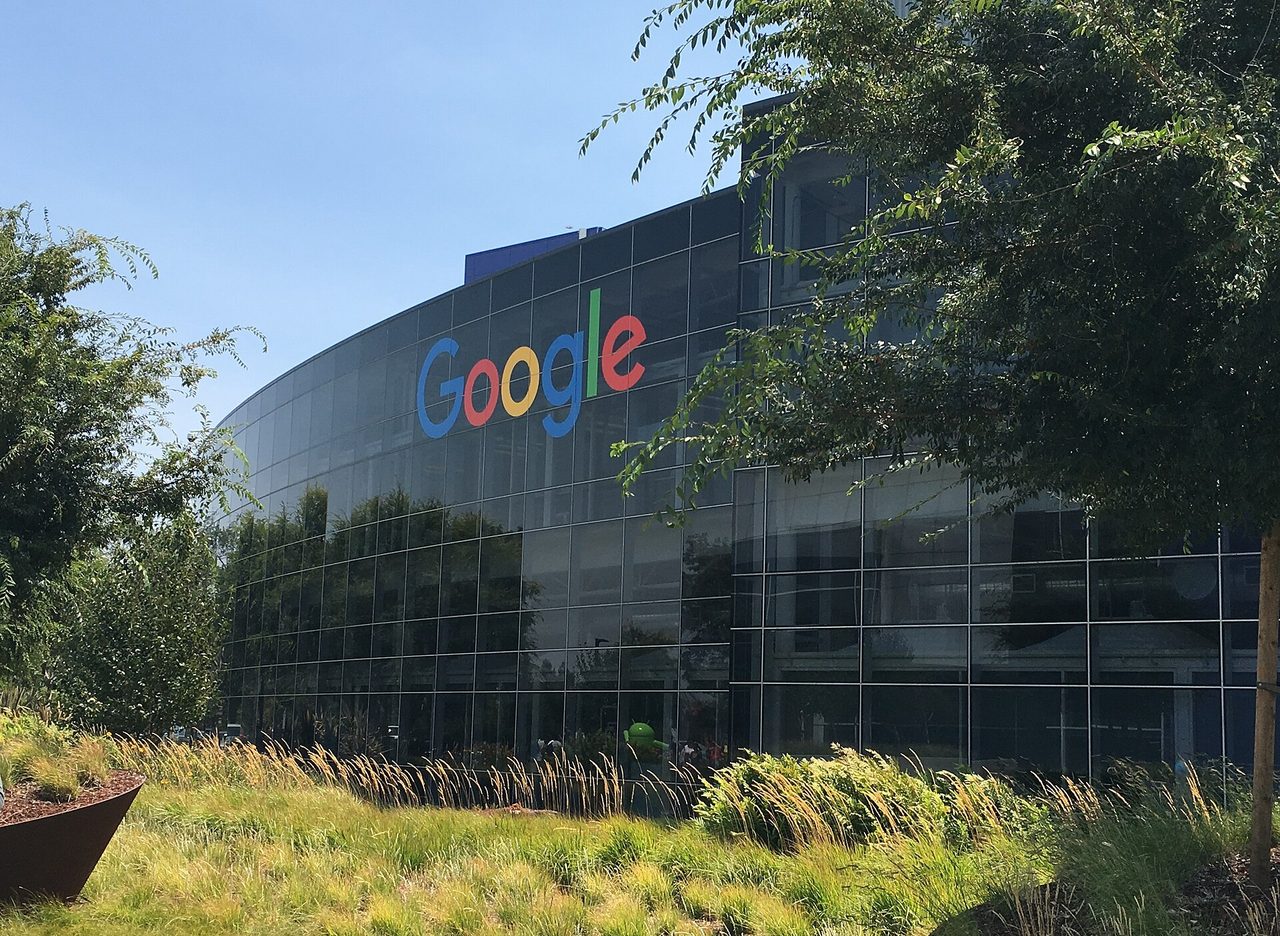
Photo: Asoundd / CC BY-SA 4.0 · via Wikimedia Commons
AI Euphoria Meets Earnings Reality as Alphabet and Samsung Slide
A Three-Day Tech Rally Ends in After-Hours Rout
A week-long rebound in technology shares snapped on Oct. 29 after disappointing results from two heavyweights revived doubts about the billions of dollars pouring into artificial intelligence. Alphabet slumped about 10% in after-hours and premarket trading, while Samsung Electronics fell more than 4% in Seoul. Nasdaq 100 futures dropped roughly 1% to 1.5% in Asian trading, and South Korea's KOSPI, a bellwether for the AI trade, fell about 2.6% to 2.9%. The slide stood in sharp contrast to the prior session, when strong earnings from SK Hynix had powered the KOSPI to its biggest rally since July, with a gain of nearly 7% in a single day.
Alphabet Misses on Search as Cloud Strength Falls Short
Alphabet's overall revenue missed Wall Street expectations despite soaring cloud-computing sales. Google Services revenue came in at $96.3 billion versus estimates of $98.4 billion, with ad revenue growing at its slowest pace in five quarters. Analysts said weaker-than-expected search sales raised questions about whether the company can monetize its AI-powered search engine. Heavy cash burn tied to AI infrastructure spending deepened the selloff, wiping nearly $400 billion off Alphabet's market value and dragging other AI-linked stocks lower.
Record Samsung Profit Fails to Satisfy Restless Investors
Samsung reported a nearly ninefold surge in third-quarter operating profit to a record high on robust AI chip demand, yet its shares still slid sharply. Profit at its chip unit came in below optimistic analyst expectations, and its mobile business posted an operating loss of 600 billion won (800 billion won for the Device eXperience division as a whole) as higher memory costs squeezed margins. Investors were further disappointed by the absence of immediate new shareholder returns; the company said it would finalize its next policy in January. Samsung projected semiconductor capital expenditure of 76.8 trillion won this year, up 62% from 2025, and warned AI-driven memory demand would outstrip industry supply in 2027.
Microsoft Diverges Higher as Amazon and Intel Loom Next
Microsoft offered a counterpoint, rising about 3% after reporting stronger-than-expected cash flow and highlighting investor focus on how Big Tech funds ambitious data-center build-outs. With Wall Street having ended slightly higher overnight, attention now turns to upcoming results from Amazon and Intel for further signals on the AI investment outlook. Strategists say expectations are so elevated that merely meeting them is no longer enough, leaving technology shares exposed to further disappointment if revenue growth cannot keep pace with capital spending.
Sources
- swissinfo.ch: Tech Rally Stalls as Alphabet, Samsung Disappoint: Markets Wrap
- Investing.com: Asia stocks fall as Alphabet, Samsung results disappoint; more tech earnings loom
- FXStreet: Equities: Tech earnings weigh on US futures - Deutsche Bank
- Business Standard: Asian shares fall as Alphabet earnings miss drags Wall St futures lower
- The Straits Times: Asian shares fall as Alphabet earnings miss drags Wall St futures lower