Fit 23-Year-Old's Workplace Collapse Exposes a Vitamin D Crisis Among Young People
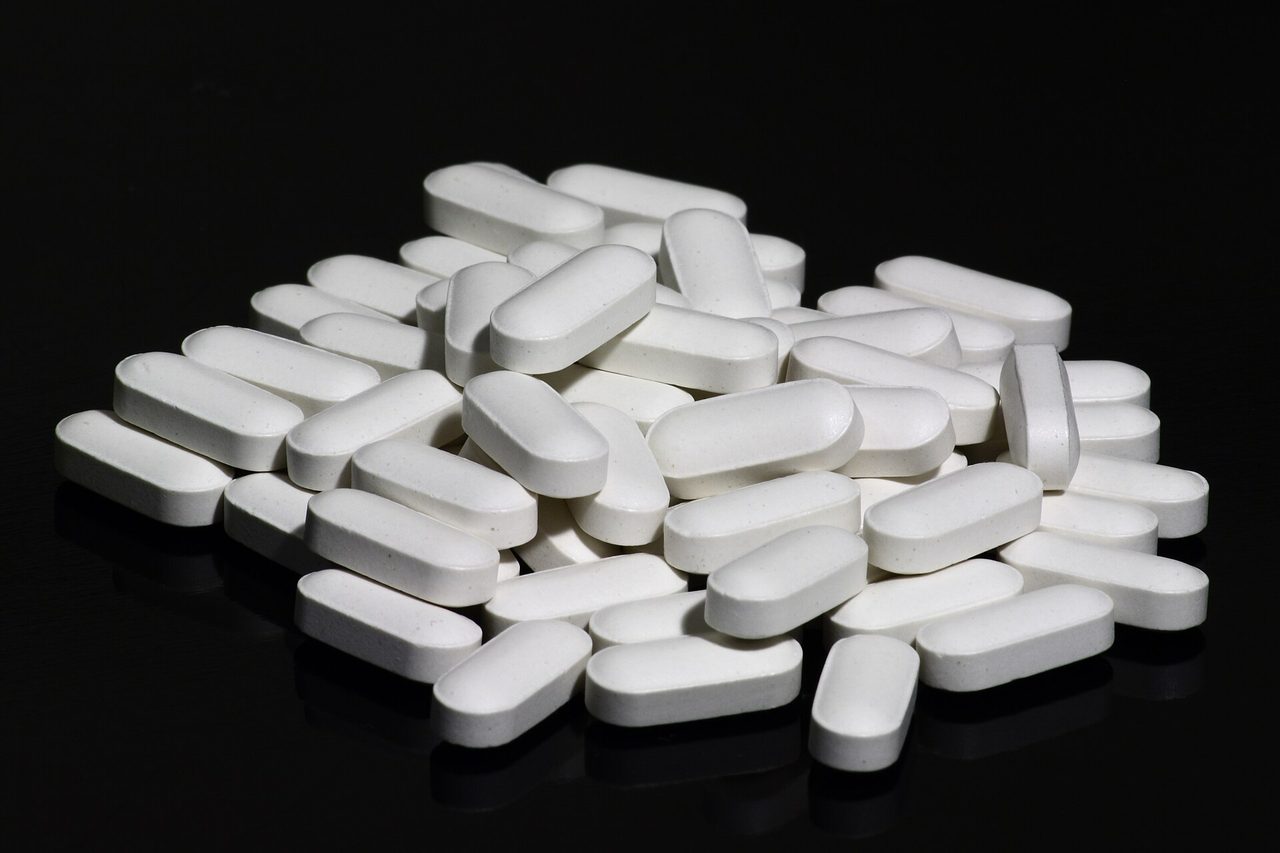
Photo: Ragesoss / CC BY-SA 4.0 · via Wikimedia Commons
Fit 23-Year-Old's Workplace Collapse Exposes a Vitamin D Crisis Among Young People
A goalkeeper who never saw it coming
Saskia Reeves-Priestley seemed the last person to end up vitamin D deficient. Twenty-three, a special educational needs teacher, and a keen goalkeeper who played football four times a week, she felt fit and healthy. Then, at work, she suddenly collapsed. "I just felt really dizzy, really nauseous, was having heart palpitations and was really hot," she says. There had been no prior warning.
Blood tests showed levels of "next to nothing"
Hospital blood tests later revealed her vitamin D levels were "next to nothing." She was diagnosed as vitamin D deficient, a verdict that stunned someone who exercised constantly and considered herself strong. She is now taking vitamin D supplements regularly, and she is back in goal.
A student's tiredness that turned out to be deficiency
Her story is not isolated. Amaka Osu, a 21-year-old university student in Liverpool, started shaking uncontrollably while making dinner at her student house. "I couldn't really see in front of me," she says. Her housemate rushed her to accident and emergency, where she too was diagnosed as vitamin D deficient. She had put her tiredness down to the demands of university and work: "I'm a 21-year-old student. I've got work and uni, I'm always feeling tired." She remembers her mother suffering from low vitamin D but never thought it could happen to her.
Deficiency is rising among girls and young women
Doctors are finding vitamin D deficiency increasingly widespread in the United Kingdom, especially in young people. Research published this year in an endocrinology journal found low vitamin D rates rising in some age groups, particularly girls and young women. Data from the National Diet and Nutrition Survey showed that last year nearly a quarter of 11- to 18-year-olds were classed as deficient.
The damage centres on bones, from rickets to osteomalacia
The symptoms are easy to miss, but the damage is concrete. Deficiency is linked to rickets in babies and infants, and in adults to a similar weakening of the bone called osteomalacia, bringing bone pain and muscle weakness. Diet such as oily fish and meat supplies some vitamin D, and supplements help, but most of the body's supply is made when ultraviolet light in sunlight hits the skin. Less daylight, whether from season or latitude, directly cuts the body's ability to produce it.
The official advice: 10 micrograms daily from October
The government's answer is routine supplementation rather than routine testing. Doctors do not generally offer blood tests for deficiency but will offer a supplement to anyone worried they are high risk. Officials recommend a daily 10 microgram supplement, equivalent to 400 IU, for everyone aged over five from October to March, with babies and young children covered by separate NHS advice. People with darker skin, those who cover their skin for religious or cultural reasons, and those who rarely get outside are advised to supplement all year round. In the UK a 25-hydroxyvitamin D level below 25 nanomoles per litre is usually classed as deficient.
Sources
- BBC News: I didn't know when I collapsed at work - it was low vitamin D
- AOL: I didn't know I was lacking in vitamin D until I collapsed at work
- NewsATW: I didn't know when I collapsed at work - it was low vitamin D - NewsATW
- The UK Pulse: Young Teacher's Sudden Collapse Reveals Hidden Vitamin D Crisis
- NairaVoice: I didn't know I was lacking in vitamin D until I collapsed at work