DOJ Subpoenas California Election Workers as Midterms Enter Final Stretch
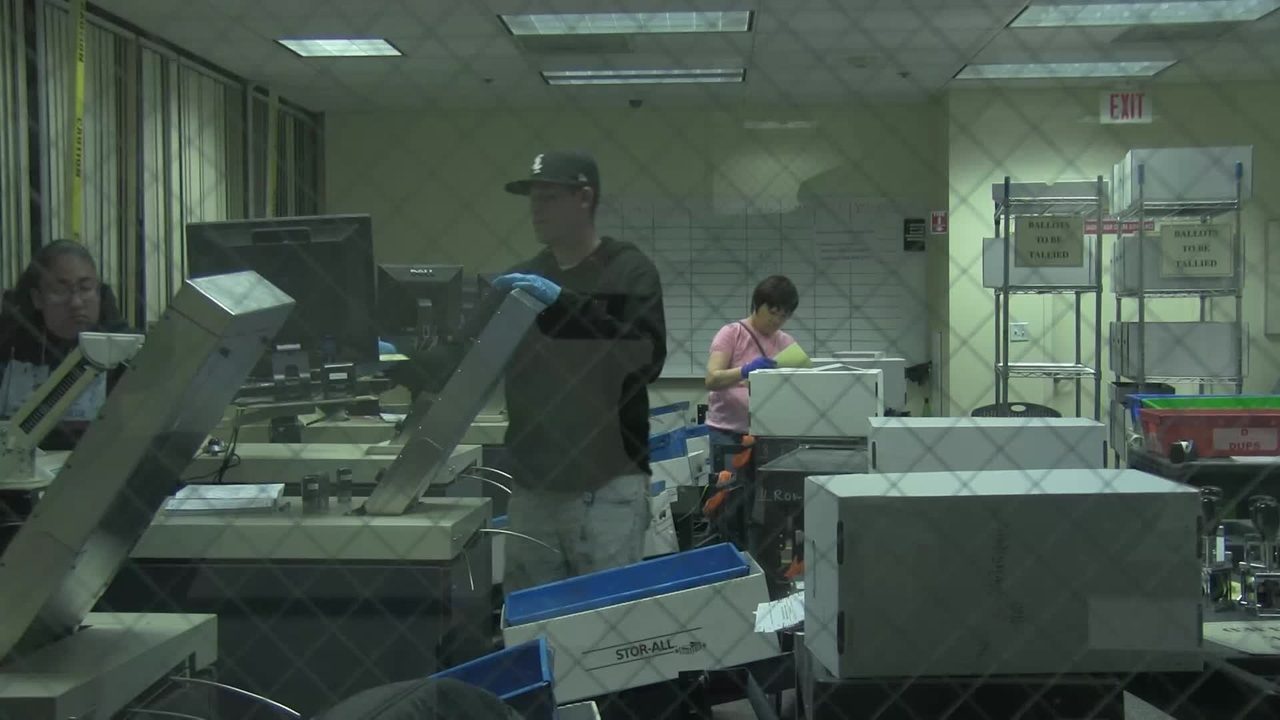
Photo: Legoktm / CC BY-SA 4.0 · via Wikimedia Commons
DOJ Subpoenas California Election Workers as Midterms Enter Final Stretch
Grand Jury Subpoenas Land Days Before the Election
The Los Angeles County Registrar-Recorder's office confirmed on October 29 that it had received grand jury subpoenas directed at its employees, releasing copies of the documents. According to Politico, three employees were ordered to appear at a federal courthouse in Orange County on November 4, the morning after Election Day. The New York Times first reported that at least two registrar employees had been served the previous week.
Subpoenas Seek Records Tied to the Secretary of State
The subpoenas demand documents and communications related to letters from California Secretary of State Shirley Weber, along with all records concerning the county's "methods for screening for unlawful voting by aliens" and its "efforts to prevent noncitizen votes from being counted." A letter accompanying one subpoena says it was issued "in connection with an official criminal investigation being conducted by the Department of Homeland Security, Homeland Security Investigations," without elaborating.
All Four California U.S. Attorneys' Offices Involved
The Associated Press reports the subpoenas are being issued by all four U.S. attorneys' offices in California, citing a person familiar with the matter who spoke on condition of anonymity. The subpoenas viewed by AP were sent October 21 and October 24. Some county election officials had already received subpoenas starting in September seeking records about individual voters the department suspects of registering illegally.
A Judge Had Just Rejected the Ballot-Seizure Bid
The subpoenas arrived one day after U.S. District Judge David O. Carter rejected the Justice Department's emergency request to force California to set aside and stop processing ballots from about 20,000 voters federal officials called "likely" noncitizens. Carter, an appointee of President Bill Clinton, found no legal basis for the demand, questioned the reliability of the government's list, and held that it violated the National Voter Registration Act, which bars changes to voter rolls or election procedures within 90 days of an election.
Half a Million Ballots Already Processed in L.A. County
Court filings show more than 500,000 ballots have already been processed in Los Angeles County alone. California mails ballots to all 23 million registered voters, and once a ballot is processed it cannot be traced back to the voter who cast it, a design that protects voter privacy. County officials testified it would be virtually impossible to identify which ballots belonged to particular voters. DOJ official Essayli condemned the ruling and said an appeal was underway, adding that "the Solicitor General authorized an immediate appeal" to the Ninth Circuit.
Registrar Cries Intimidation as Experts Question Timing
Los Angeles County Registrar Dean Logan denounced the subpoenas as "intimidation." Loyola Law School elections expert Justin Levitt noted the statute of limitations on federal voting offenses is five years, so prosecutors face no rush: "Because they have no role in affecting the election results, there is no reason whatsoever for them to demand this information now." Bloomberg Law separately reported that Justice Department leaders directed top federal prosecutors to pursue criminal subpoenas of state and local officials, citing two unnamed sources.
A Special Master Will Vet the Government's List
On the same day the subpoenas surfaced, Carter appointed a special master to evaluate the administration's claims about the 20,000 names and to assess whether counties could even separate the disputed ballots. Carter said he will rule on the government's renewed request for a preliminary injunction barring the state from counting the ballots after a November 13 evidentiary hearing with input from the special master. In recent weeks the department also sent letters to local California election officials warning they could face "significant federal scrutiny and legal exposure" if they did not cooperate, and earlier gave the state 48 hours to review a thumb drive of names it said might be noncitizens on the rolls.
What Comes Next: Appeal Courts and a Hearing
Two tracks now matter. First, the department's emergency appeal to the Ninth Circuit, which seeks to stop California from counting the disputed ballots while the litigation plays out. Second, the November 13 hearing, where the special master process takes center stage. The November 4 grand jury appearances come first. The subpoenas follow an earlier defeat for the department, when the same court dismissed its bid to force California to hand over its full voter registration list.
Sources
- NPR: Justice Department issues subpoenas to California election workers
- Politico: Justice Department subpoenas California election workers in probe of noncitizen voting
- NBC News: DOJ subpoenas local election officials over claims of noncitizen voting in California
- CalMatters: Trump presses California voter fraud hunt despite court order
- KQED: Judge Rejects Trump Administration Bid to Set Aside 20,000 California Ballots