"Stop Threatening Election Workers": Judge Freezes Trump Administration's Nationwide Ballot Pressure Campaign
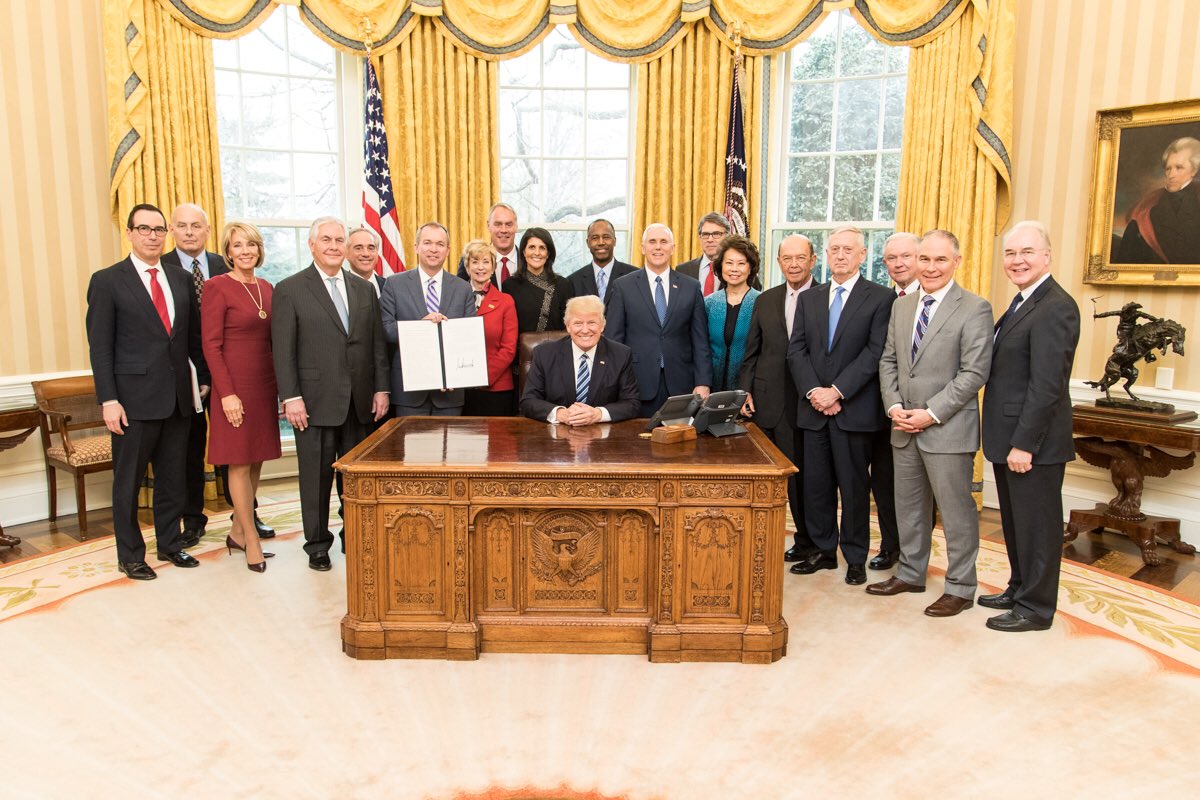
Photo: Office of U.S. President / Public domain · via Wikimedia Commons
"Stop Threatening Election Workers": Judge Freezes Trump Administration's Nationwide Ballot Pressure Campaign
A disclosure the administration did not volunteer
The scope came to light only because a judge forced it out. On October 29, U.S. District Judge James Boasberg ordered the Justice Department to disclose which states beyond California and Washington had received demands to set aside ballots of alleged noncitizens. The department's response, obtained by Democracy Docket and revealed October 30, showed contacts spanning the previous four months: the Department of Homeland Security wrote to California, Nevada, Pennsylvania and New Jersey, while the Justice Department wrote to California and Washington. Separately, the Office of the Deputy Attorney General sent letters dated October 29 to officials in all 50 states, "reminding them of their obligation" to preserve federal election records for 22 months under a decades-old federal law.
Five states targeted, California hit hardest
California absorbed the heaviest fire. In an October 13 letter, the Justice Department gave the state an arbitrary 48-hour deadline to review some 20,000 names supplied on a thumb drive, told Los Angeles County to set aside ballots already received from those voters, and ordered a halt to further mail ballots to them, without explaining how the list was compiled. On October 15, the administration sued California in Los Angeles seeking to block those ballots from being counted. In Washington state, the department asked officials not to count ballots from more than 400 voters it suspects of being noncitizens. The DHS letters to Nevada, Pennsylvania, New Jersey and California date to July, when Homeland Security Secretary Markwayne Mullin claimed his agency had found 250,000 noncitizens on the rolls of just four Democratic-led states.
Pressure pushed down to the county level
On October 23, federal prosecutors escalated to the counties, sending letters to registrars in 57 of California's 58 counties demanding they help federal agencies "identify who on the accompanying list is a citizen and who is not," and warning of potential criminal liability for "knowingly tabulating ballots cast by individuals identified by federal agencies as noncitizens."
The official story: stopping noncitizen voting
The administration's public rationale has never wavered: every letter and lawsuit is about stopping unlawful voting by noncitizens. The October 29 letters to all 50 states used the same framing, presenting the 22-month records-preservation demand as a routine reminder of a statutory duty. But the numbers behind the campaign have not held up to scrutiny.
Plaintiffs call the lists shoddy and the threats illegal
On October 20, the Democratic Senatorial Campaign Committee, the Democratic Congressional Campaign Committee, the Democratic Governors Association, the Nevada Democratic Party, Chuck Schumer, Hakeem Jeffries and others sued Trump, the Justice and Homeland Security departments and their leaders in federal court in Washington, D.C. Their 44-page complaint says the administration is pressing states to purge voters based on "shoddily compiled lists" that have "crumbled upon the barest inspection," and alleges "a persistent stream of threats and intimidation" against state and local officials, including threats of imprisonment, in violation of Section 11(b) of the Voting Rights Act. A parallel suit by labor unions and civil rights groups including the NAACP and the League of United Latin American Citizens, filed in the Northern District of California, makes similar claims of unconstitutional intrusion into state election administration. Courts had already begun pushing back: on October 21, U.S. District Judge Araceli Martinez-Olguin barred DHS from conducting election-related field interviews in nine states, California, Connecticut, Georgia, Missouri, Nevada, New York, Pennsylvania, Washington and Wisconsin, finding the program likely violates the Voting Rights Act by intimidating people who help others vote.
A nationwide freeze lasting past Election Day
On the evening of October 30, U.S. District Judge Trina Thompson issued a sweeping emergency order: while it stands, the Justice Department and Homeland Security may not demand that election officials in any state remove voters from the rolls, refuse ballots to specific voters or segregate midterm ballots based on the administration's ineligibility lists. The order also bars threats of criminal prosecution and any other actions that "threaten, intimidate or coerce" election workers over ballot procedures. "Although Defendants claim that their actions are designed to halt unlawful voting by noncitizens, their actions are likely to have the effect of interfering with election administration and disenfranchising lawful voters," Thompson wrote. The order runs through November 16, nearly two weeks after Election Day.
Election workers squeezed, ordinary voters chilled
The immediate pressure lands on county registrars and poll workers caught between state law duties and federal criminal threats. But the chill reaches further: among the 20,000-plus flagged voters in California and the 400-plus in Washington, any U.S. citizens misidentified could see their ballots sidelined on Election Day. And the October 29 letters to all 50 states function, in Democracy Docket's description, as a nationwide warning to every election office in the country.
What comes next: courts, the count, and November 3
Three things to watch. First, whether the administration appeals Thompson's order or lets it expire on November 16, and whether plaintiffs convert the emergency freeze into lasting relief. Second, the Democratic lawsuit and the unions' lawsuit, whose broader claims about purges and intimidation are still being litigated. Third, whether the pattern of suing mid-vote, suing California in mid-October, pressing Washington and 57 counties in late October, continues through Election Day itself.
Sources
- Democracy Docket: Trump admin reveals it’s challenged voters in 5 states, and threatened election officials in all 50
- Roll Call: Judge orders Justice Department to disclose noncitizen voter letters
- CNN: Judge imposes sweeping emergency order halting DOJ pressure campaign on election officials across the country
- NBC News: Judge orders Trump administration to stop threatening election officials with criminal charges
- Axios: Democratic groups sue over Trump's alleged efforts to control state elections