Natural Selection, Not Radiation Mutations, May Explain Chornobyl's Unusual Dogs
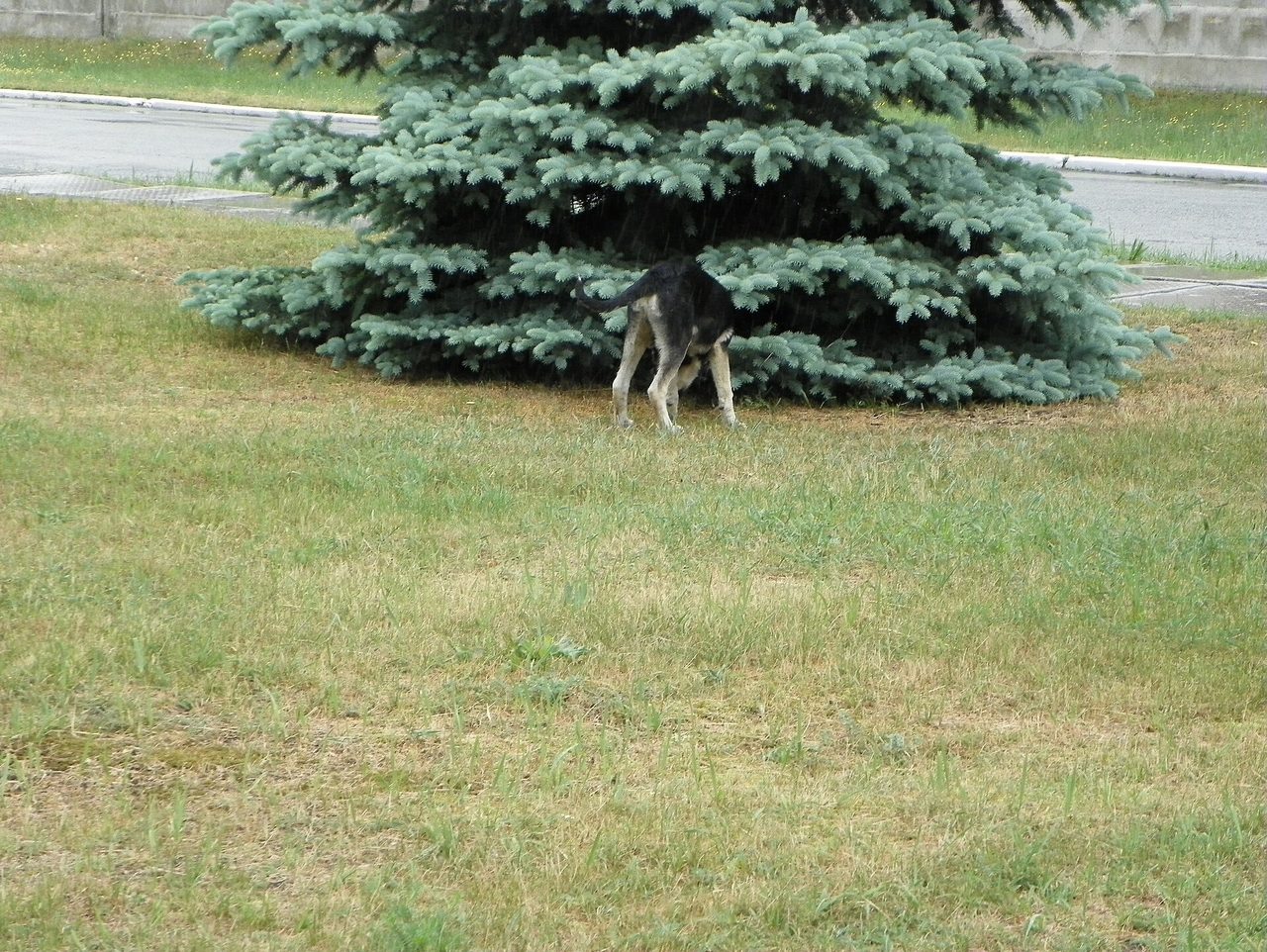
Photo: Firef7y / CC BY-SA 3.0 · via Wikimedia Commons
Natural Selection, Not Radiation Mutations, May Explain Chornobyl's Unusual Dogs
Two Dog Groups 10 Miles Apart, Yet Genetically Worlds Away
Hundreds of free-breeding dogs roam the Chornobyl Exclusion Zone, descendants of pets left behind when residents evacuated. Years ago, scientists stumbled on a puzzle: dogs living around the Nuclear Power Plant (NPP) are genetically sharply distinct from dogs in Chornobyl City, only about 16 kilometers (10 miles) away. Earlier work had already shown that this difference was not caused by radiation-induced mutation — leaving the real explanation open.
Whole-Genome Data From 106 Dogs, Published in Genes
The new study, led by first author Megan Dillon of North Carolina State University's College of Veterinary Medicine with corresponding author Matthew Breen, was published in the journal Genes in 2026 (Dillon et al., Evidence of Selective Response in the Free-Breeding Dog Population in Chornobyl, DOI: 10.3390/genes17101195). The team analyzed whole-genome sequence data from 106 dogs collected between 2018 and 2019, covering both the NPP and Chornobyl City populations. The stated goal: test two larger-scale evolutionary drivers — selection, or genetic drift over time in an isolated population.
Directional Selection Emerges as the Leading Explanation
"While these two dog groups are geographically very close, they have a very high degree of genetic difference, and those differences aren't due to mutation," Dillon said. Through natural selection, genes that raise an individual's environmental fitness grow more common over time; directional selection, the sharper form, pushes a whole population toward a small number of favored traits and is typically tied to environmental change. The NPP dogs' genomes carry exactly such signatures, suggesting the contaminated environment favored certain variants rather than radiation rewriting the DNA.
Selection at Over 100 Loci Tied to Cancer, Repair and Immunity
To separate the effects of isolation from those of environment, the researchers compared the two Chornobyl populations against free-breeding dogs from Eastern Europe and an isolated dog population from the Galapagos Islands. Genomic analysis of the NPP dogs found evidence of directional selection at over 100 locations, with nearby genes linked to cancer development, DNA replication and repair, cell cycle functions, and immune function. Breen offered one hypothesis: "the ones that were able to survive the initial exposures had this level of underlying genetic diversity" conferring adaptability — stressing it remains only a hypothesis.
A 35-Generation Bottleneck, and a Call for More Work
Genetic analysis also shows the plant population declined around 35 to 40 generations ago, consistent with the disaster and the culling of animals by clean-up workers that followed. The authors caution this is a single study of 106 dogs and does not mean the animals are healthier; further investigation is needed, with possible applications for managing wildlife in polluted regions. Supporting context comes from the team's earlier parasitology work, published in Parasites and Vectors, which found differences in ticks recovered from dogs at the two sites and in the prevalence of the pathogens they transmit.
Sources
- NC State News: Chornobyl Dog Population Shows Genetic Signatures of Directional Selection | NC State News
- Phys.org: Chornobyl dog population shows genetic signatures of directional selection
- ScienceAlert: Chernobyl's Dogs Are Genetically Different, And We May Finally Know Why
- Discover Magazine: The Dogs of Chornobyl Are Genetically Unique — But It Likely Isn’t Related to Mutations
- IFLScience: Chornobyl's Genetically Unique Dogs Are Likely The Result Of Natural Selection, Not Radiation-Scrambled DNA