At 58, Her Brain Showed Alzheimer's Warning Signs. Here's What She Did About It
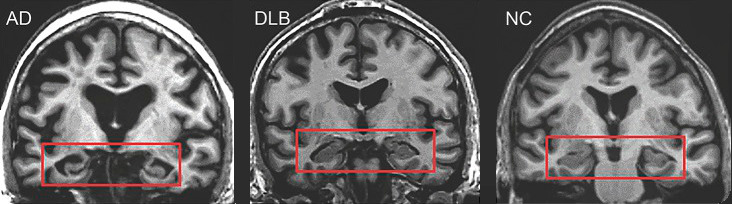
Photo: McKeith IG, Boeve BF, Dickson DW, et al. Edited by Lukelahood. / CC BY 4.0 · via Wikimedia Commons
At 58, Her Brain Showed Alzheimer's Warning Signs. Here's What She Did About It
A Brain Scan Showed Amyloid in Every Quadrant
In a first-person account published this month, a 58-year-old woman describes walking into a specialist clinic for a full workup: body composition metrics, blood and genetic biomarker panels, standardized cognitive tests and neurological exams. A brain scan found elevated amyloid in every quadrant. She does not have Alzheimer's disease, or even mild cognitive impairment, but her biomarkers are positive and her risk is elevated.
Gene and Blood Tests Flagged the Risk Early
Two signals put her on alert: the APOE4 gene variant and blood biomarkers such as p-tau217. In a large international study, older adults with very high levels of a blood biomarker faced a 38% chance of cognitive impairment within five years, rising to an estimated 78% over 10 years. APOE4 carriers develop Alzheimer's pathology earlier and progress faster, and a 2024 Swedish study found a blood test identified Alzheimer's-related changes with about 90% accuracy in people with cognitive symptoms.
An Anti-Amyloid Infusion to Clear the Plaques
In December 2025, she added Kisunla, an anti-amyloid infusion approved by the U.S. FDA on July 2, 2024. Kisunla (donanemab) and Leqembi (lecanemab, approved July 6, 2023) are monoclonal antibodies that clear amyloid plaques rather than merely easing symptoms. After several infusions, a follow-up scan showed sharply changed readings, according to the account.
Trial Data: 60% Slower Decline in Early Patients
The trial record backs early action. In Lilly's TRAILBLAZER-ALZ2 trial, donanemab slowed decline by 60% on the iADRS scale in 214 participants with mild cognitive impairment, and by 30% in 534 participants with mild dementia. Among 1,182 participants with low-to-medium tau, decline slowed 35%, versus 22% across all 1,736 early symptomatic participants. Modeling from the USC Schaeffer Center estimates the treatment's total value rises by one-third if started two years earlier.
3,000 Steps a Day Nearly Halved Dementia Signs
Drugs were only half the plan; exercise, diet and sleep were the rest. In people who already carried amyloid plaques, more active participants showed signs of dementia reduced by almost half, alongside a slower buildup of misfolded tau proteins. Benefits appeared at just 3,000 steps a day, roughly half an hour of moderate walking, with the optimal range at 5,000 to 7,500 steps. Tau appears later in the disease and tracks cognitive decline more closely than amyloid.
Nearly Half of Dementia Could Be Delayed
The 2024 Lancet Commission on dementia estimated that addressing 14 modifiable risk factors could prevent or delay nearly half of dementia cases worldwide. A Mediterranean-style diet is linked to an 11% lower risk of all-cause dementia and 30% lower Alzheimer's risk, while high adherence to the MIND diet is associated with up to 53% lower Alzheimer's risk. Deep sleep clears metabolic waste, and controlling blood pressure, treating hearing loss and staying socially connected all count.
The Caveat: Slower Decline, Not a Cure
Experts draw a firm line: anti-amyloid drugs modestly slow early decline but restore no lost memory and cure nothing, and they carry risks such as brain swelling that demand close MRI monitoring. The author's takeaway is narrower and personal: biomarker medicine plus lifestyle change bought her time and a plan before symptoms arrived, under a doctor's supervision, not a do-it-yourself protocol.
Sources
- IT BOLTWISE: APOE4, Bluttest und Kisunla: Wie eine 58-Jährige Alzheimer-Frühsymptome angeht
- Stanford Health Care: Antiamyloid
- Alzheimer Europe: Results from Lilly's TRAILBLAZER-ALZ2 clinical trial of donanemab are presented at Alzheimer's Association Conference and published in JAMA
- NIH Research Matters: Estimating cognitive impairment risk, timing
- ScienceDaily: A simple blood test could reveal Alzheimer’s risk 10 years before symptoms