Dell XPS Googlebook Review: Lovely Laptop, Half-Baked OS
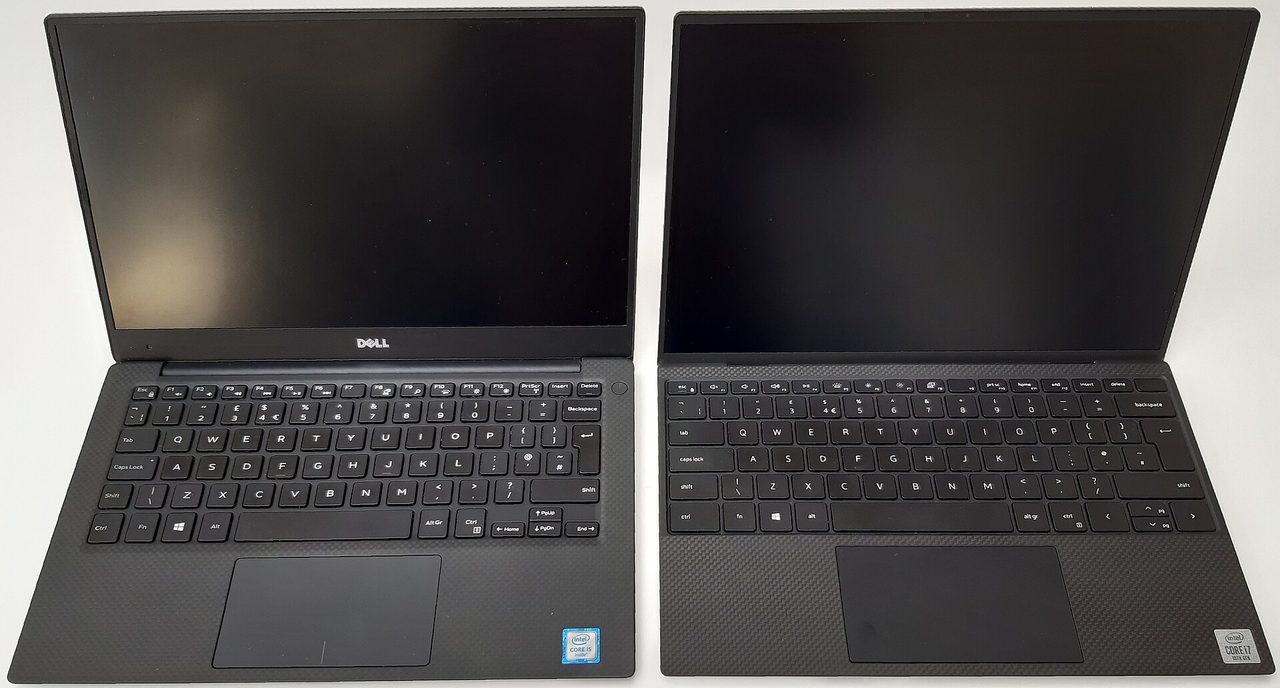
Photo: Green-Curtain / CC BY-SA 4.0 · via Wikimedia Commons
Dell XPS Googlebook Review: Lovely Laptop, Half-Baked OS
Dell stuffed its signature XPS design into Google's new platform
For its first Googlebook, Dell recycled the recent XPS 13 design: a slim 2.2-pound metal chassis with a 13.4-inch InfinityEdge display, among the lightest machines in its class. Inside sits a Qualcomm Snapdragon X Elite (X1E-80-100) chip with 16GB of RAM and a 512GB SSD — identical hardware to the $999 Windows 11 XPS 13. Starting at $999, it is positioned as the premium Android laptop.
Google pitches an Android-ChromeOS fusion
Googlebook OS is Google's formal break from the Chromebook era: native Android apps from Google Play paired with a full desktop Chrome browser supporting extensions, plus phone sync that mirrors apps from your Android handset. Gemini AI is woven through the interface, a dedicated G key summons the assistant, and a multi-color Glowbar along the edge signals charging and notifications. On paper, it should be an upgrade over ChromeOS.
The screen, keyboard and battery earn high marks
Reviewers agree the 13.4-inch 2.5K (2560 x 1600) 120Hz touch display is a highlight — Tom's Guide measured 408 nits brightness with a Delta-E of just 0.23. The keyboard suits long writing sessions, PCMark battery testing hit 15 hours 15 minutes, and PCMag logged 18 hours 18 minutes. Tom's Guide found it crushed the Acer Googlebook 14 in Geekbench tests for only $100 more. Dell did its part.
The unfinished OS sinks the machine: 6.5 out of 10
Engadget scored it 6.5 out of 10, calling the platform useless. Slack is available only in mobile mode, Evernote is missing from the Play Store, and phone-app casting supports just one app at a time with noticeable lag. Early builds even broke tab groups, multi-device sync and progressive web apps. The Verge's verdict: Googlebooks just aren't ready. PCMag gave 3.5 out of 5, calling it a tough sell next to the Windows original.
Flaky battery drain and AI make buyers feel like beta testers
Engadget watched CapCut drain 50% of the battery in one hour while sitting idle in the background. Gemini answers and the Magic Pointer feature worked inconsistently, and TechRepublic's reviewer spent about two hours troubleshooting the Pixel 11 Pro connection. AndroidHeadlines summed it up: legitimately premium hardware, but the OS still feels like a beta you pay nearly a grand to test.
Android diehards only; everyone else should wait
Tom's Guide calls it an Android fan's dream laptop, and The Verge admits it is the most sensible Googlebook available. For everyone else, the consensus is to hold off. If Google keeps updating the software for a year, it could become something good. Right now, the same $999 buys the same XPS hardware on Windows — with real apps.
Sources
- Engadget: Dell XPS Googlebook Review: Beautiful Hardware For A Useless Platform
- PCMag: Dell XPS Googlebook Review: The Prettiest and Most Portable Android Laptop So Far
- Tom's Guide: I tested the Dell XPS Googlebook — and it's an Android fan's dream laptop | Tom's Guide
- AndroidHeadlines: Dell XPS Googlebook Review: Great Hardware Paying for Google's Beta Test
- Techaeris: Dell XPS Googlebook and Googlebook OS Review