NEW YORK - Mercer International detailed its corporate restructuring under Chapter 11 on Nov. 14, reporting a $151 million timber order backlog backed by hyperscale data centers.
What happened
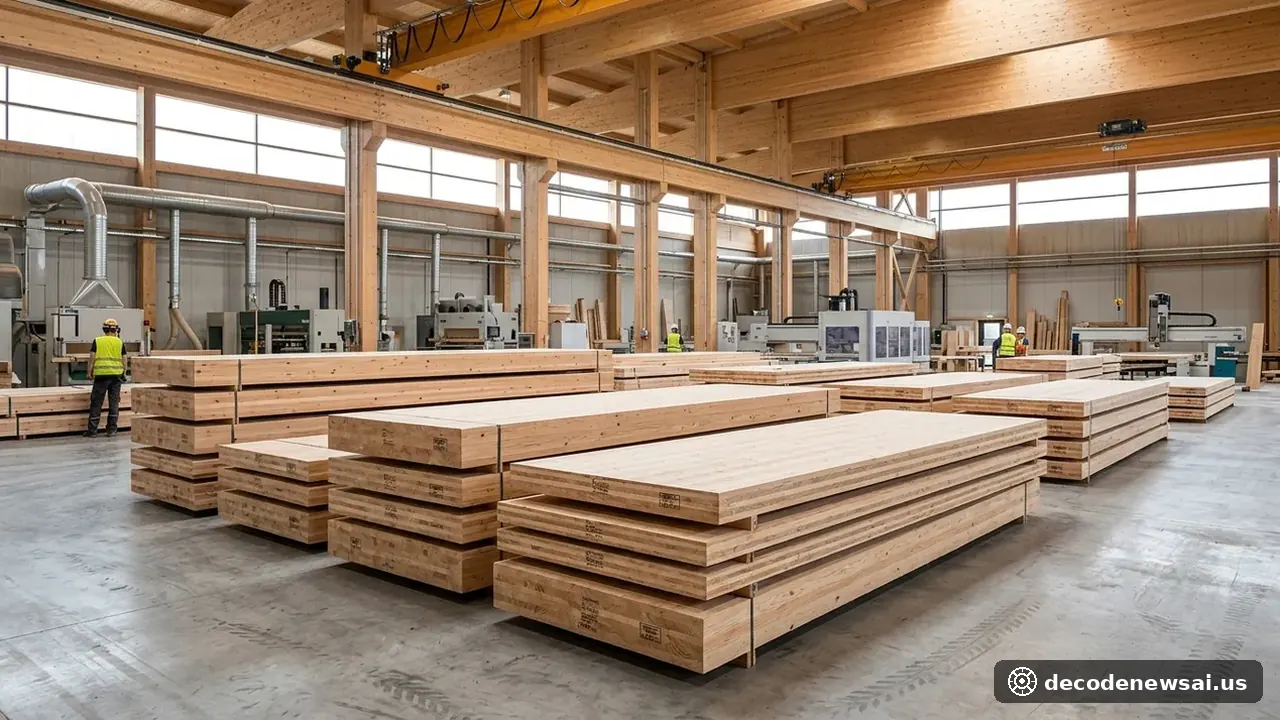
Financial filings submitted to the U.S. Bankruptcy Court revealed the forest products manufacturer generated $504.8 million in segment revenue for the twelve months ended Sept. 30, 2026. German operations accounted for $211.3 million of sales while the United States market contributed $171.8 million. Secured debtor-in-possession financing permitted manufacturing plants across North America and Europe to maintain continuous production schedules during court proceedings. Mass timber manufacturing facilities across Germany and Washington state maintained uninterrupted delivery schedules under court-authorized supplier arrangements. Hyperscale technology builders continue prioritizing timber engineered panels over traditional reinforced concrete to lower carbon footprints across next-generation computing centers. Court supervisors scheduled comprehensive restructuring reviews to evaluate enterprise balance sheet stabilization plans.
Why does it matter
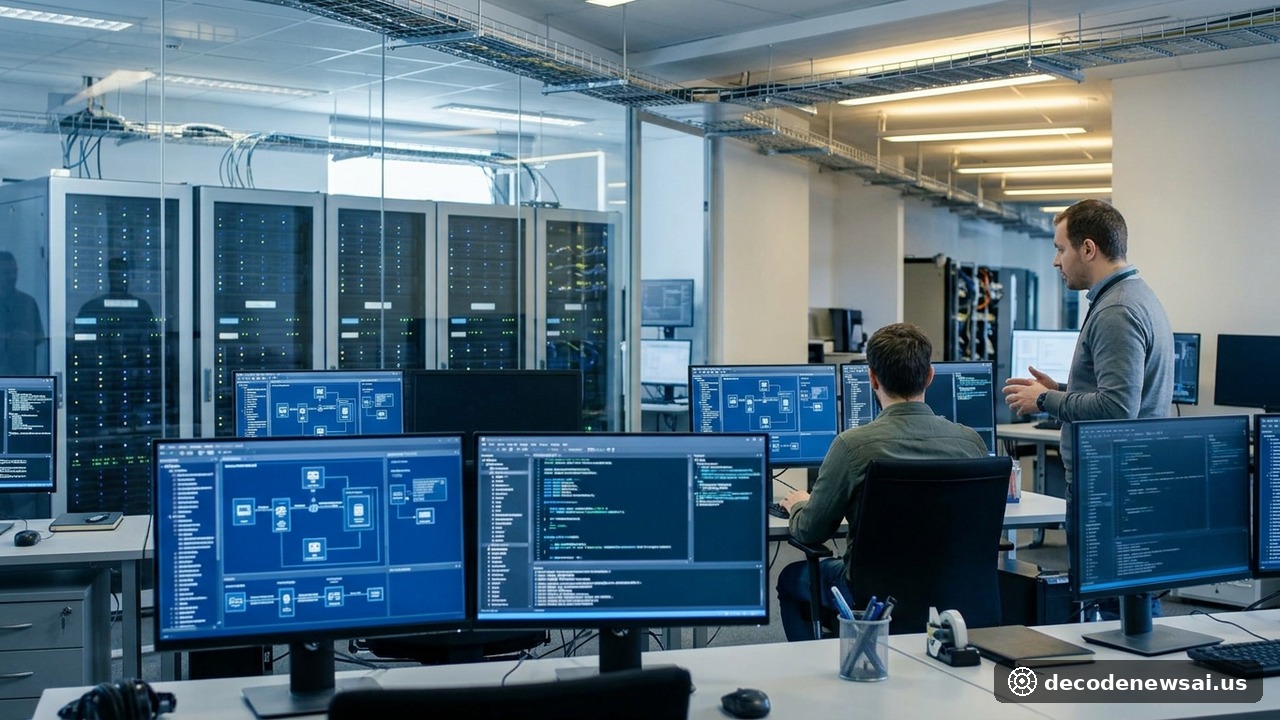
Global cloud computing providers are incorporating mass timber into artificial intelligence server facility designs to curb embodied carbon emissions. "Approximately 62% of our commercial order backlog consists of large-scale data center infrastructure projects sponsored by major hyperscaler cloud computing companies," Mercer management confirmed in financial testimony. Strong enterprise backlog stability provides predictable operating cash flows, significantly improving the firm's capacity to negotiate a viable consensual debt restructuring with creditors.
What comes next
The U.S. Bankruptcy Court for the District of Delaware scheduled confirmation hearings for Mercer's proposed plan of reorganization in January 2027. Factory deliveries to industrial cloud contractors will continue under approved operating agreements. Enterprise buyers continue selecting structural timber solutions to meet corporate sustainability and architectural performance goals.