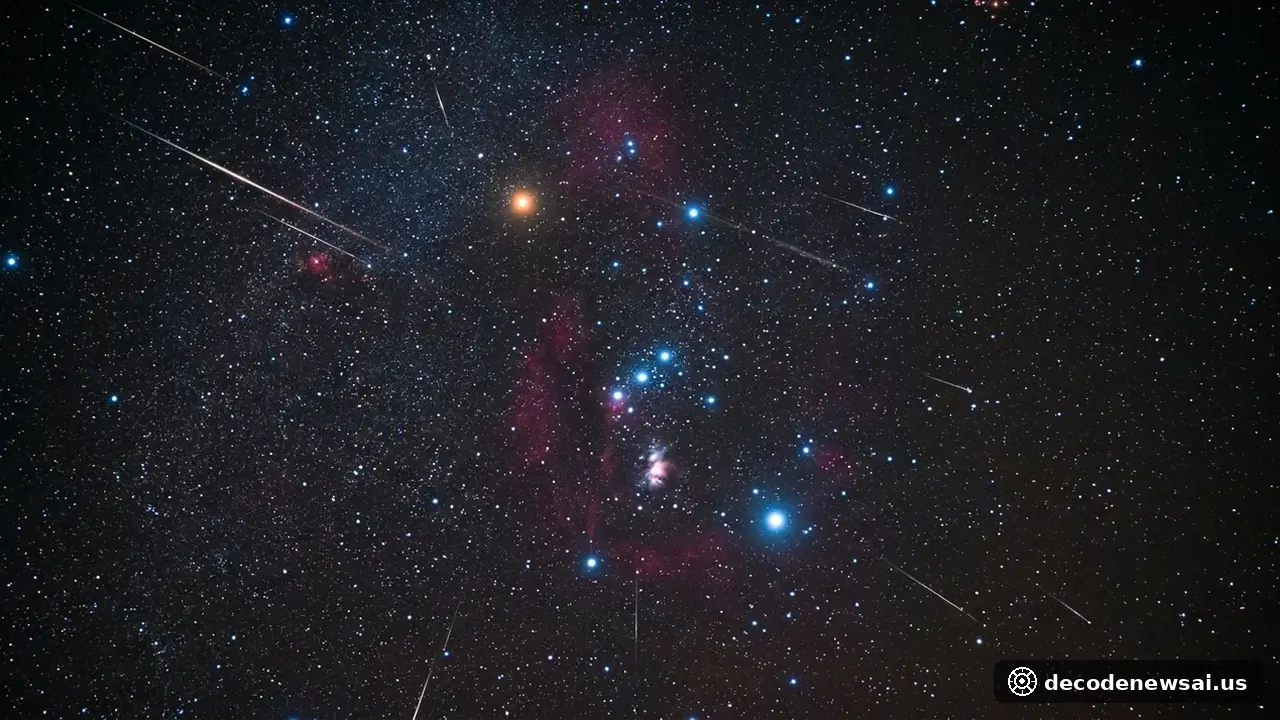
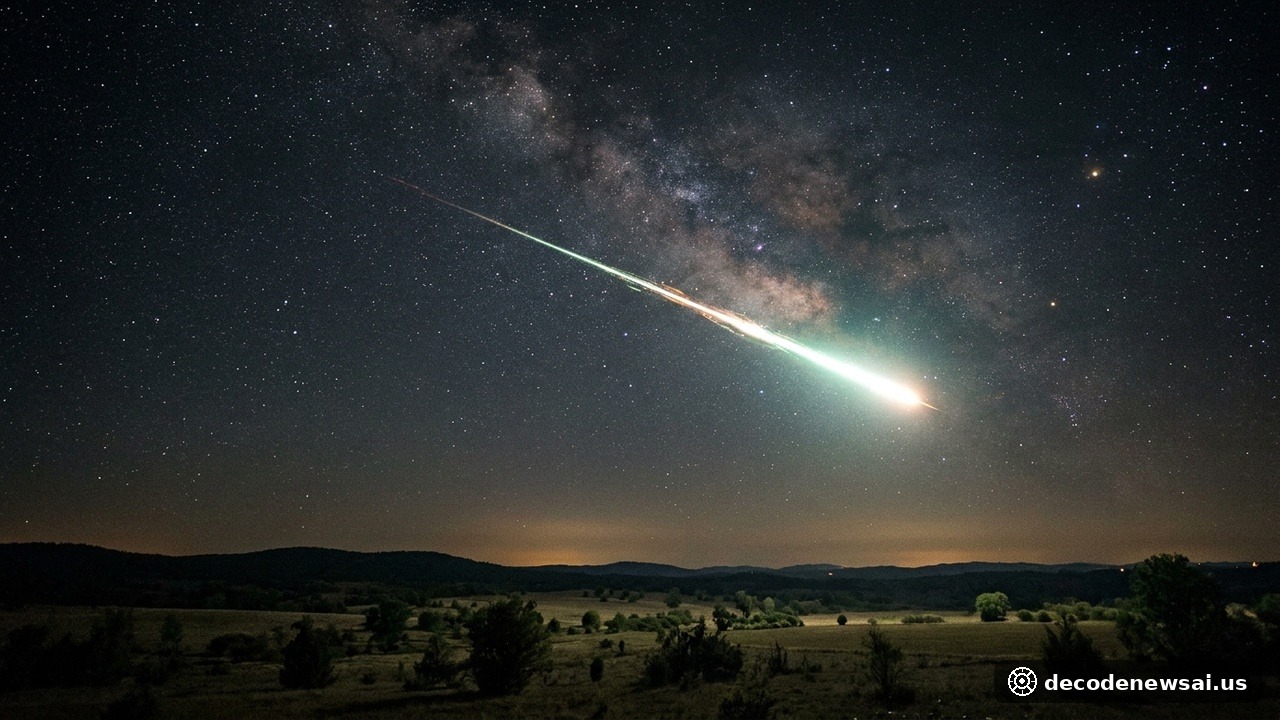
NEW YORK - The annual Leonid meteor shower peaks overnight from Nov. 17 to Nov. 18, 2026, with a first-quarter moon setting near midnight to leave dark pre-dawn skies for observers.
Peak Timing and Hourly Rates
The International Meteor Organization forecasts maximum activity around 23:45 GMT on Nov. 17, 2026, with up to 15 meteors per hour under ideal dark skies, while NASA projects fewer than three per hour. Active from Nov. 6 to Nov. 30, the shower is best viewed between midnight and dawn away from city light pollution.
Fast Meteors and Morning Planet Parade
Originating from Comet 55P/Tempel-Tuttle, Leonid meteors strike Earth's atmosphere at roughly 71 kilometers per second, making them among the fastest annual meteors. Observers looking toward Leo this year will also spot a bright Mars-Jupiter pairing, joined before sunrise on Nov. 18 by Venus and Mercury in a brief four-planet morning lineup.
Looking Ahead to Future Storm Cycles
The Leonids historically produce dramatic meteor storms exceeding 1,000 meteors per hour roughly every 33 years. After the last major storm in 2002, astronomers point to the 2031-2034 window as the next potential surge.