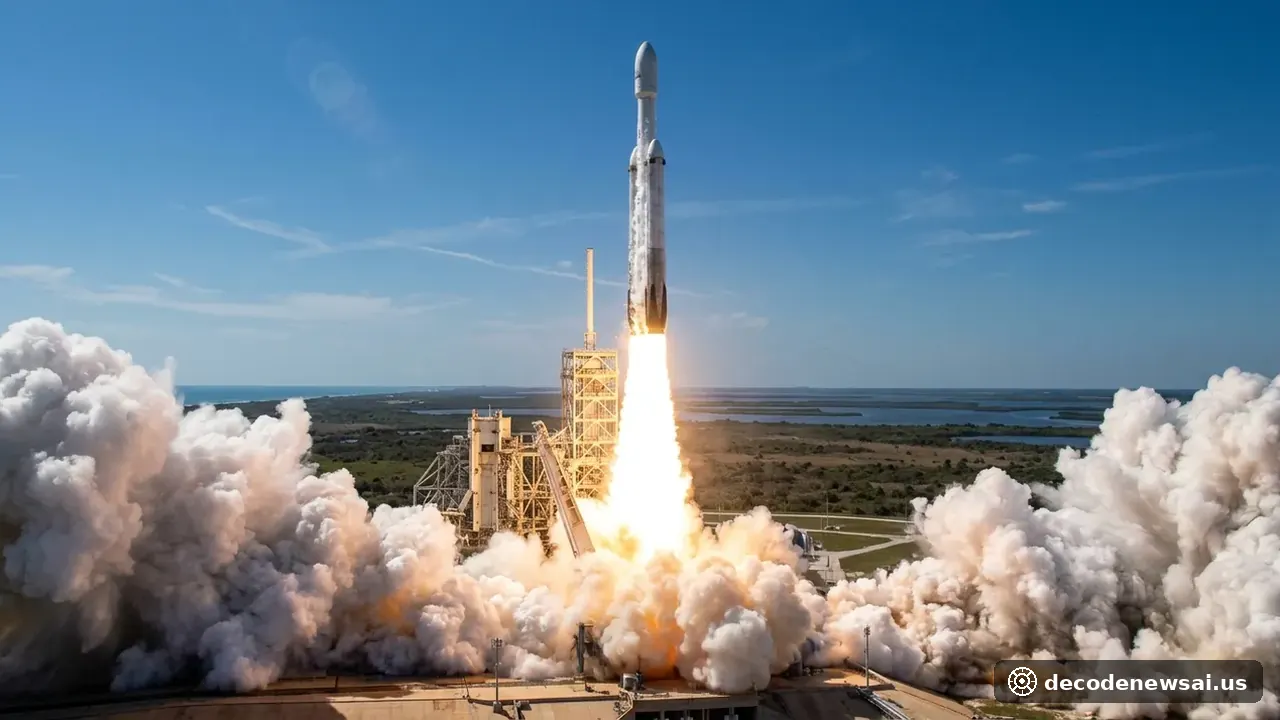
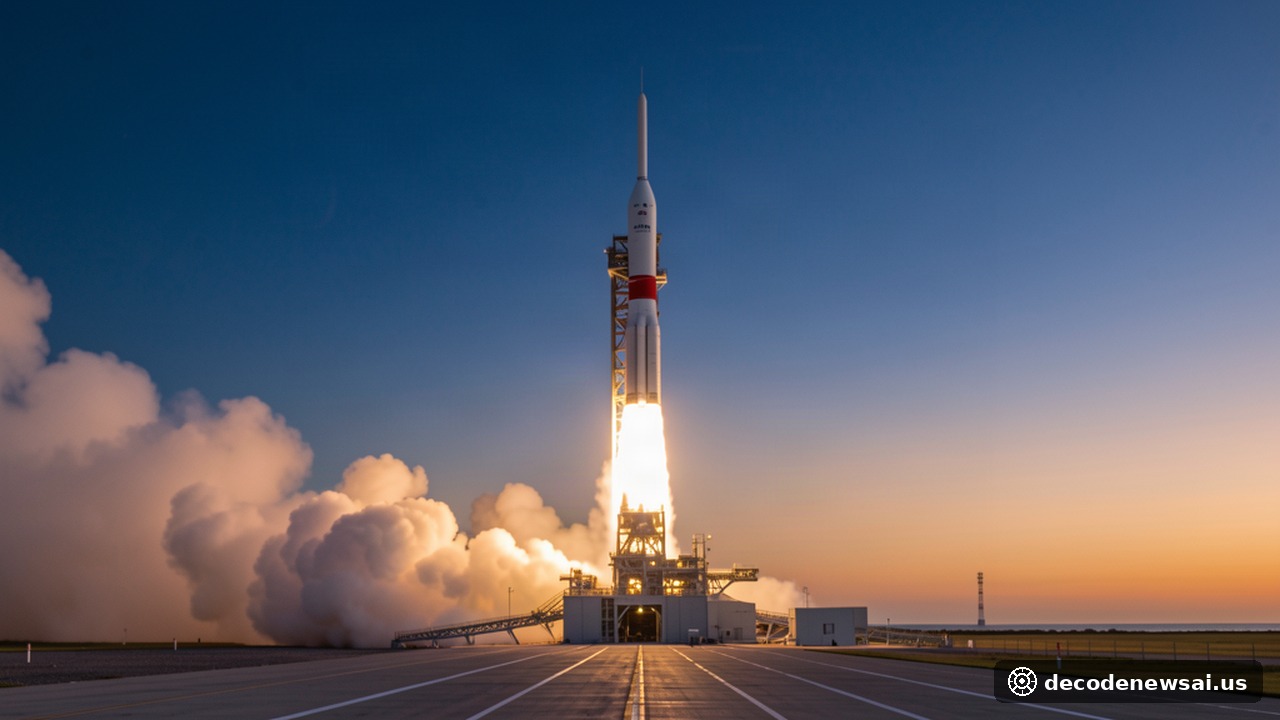
CAPE CANAVERAL, Fla. - A United Launch Alliance Vulcan Centaur rocket malfunctioned 10 minutes after liftoff on Nov. 15, failing to place 40 Amazon Leo broadband satellites into orbit. Liftoff occurred at 12:40 p.m. EST from Cape Canaveral Space Force Station, marking ULA's first total mission failure since the Boeing-Lockheed Martin joint venture formed in 2006.
Anomaly Strikes During Upper-Stage Burn
ULA confirmed the mission loss about 50 minutes after launch as engineers began reviewing flight telemetry. "Based on data received by our Launch Director, we confirm that the Vulcan vehicle launched from Space Launch Complex 41 suffered an anomaly 10 minutes into the flight and failed to deliver the Amazon mission to orbit," ULA said in a statement cited by Spaceflight Now. The rocket's six solid boosters and two BE-4 first-stage engines separated as planned before trouble struck during the Centaur upper-stage burn.
Setback Hits Amazon's Rival to SpaceX Starlink
The loss marks Amazon Leo's second launch failure this year after a May ground-test explosion involving Blue Origin's New Glenn rocket. Amazon has already placed 396 satellites into orbit and built over 1,000 units, with this flight intended as the first of 38 contracted Vulcan missions. Amazon Leo posted on X that inaugural missions carry risk and expressed confidence that ULA would resolve the issue.
NASA Offers Support Ahead of Next Launch Window
NASA Administrator Jared Isaacman wrote on X that the space agency is available to assist ULA's investigation and remediation effort. While Vulcan remains grounded pending inquiry, Amazon Leo's next launch is scheduled for Nov. 23 aboard an Arianespace Ariane 6 rocket carrying 36 satellites from French Guiana.