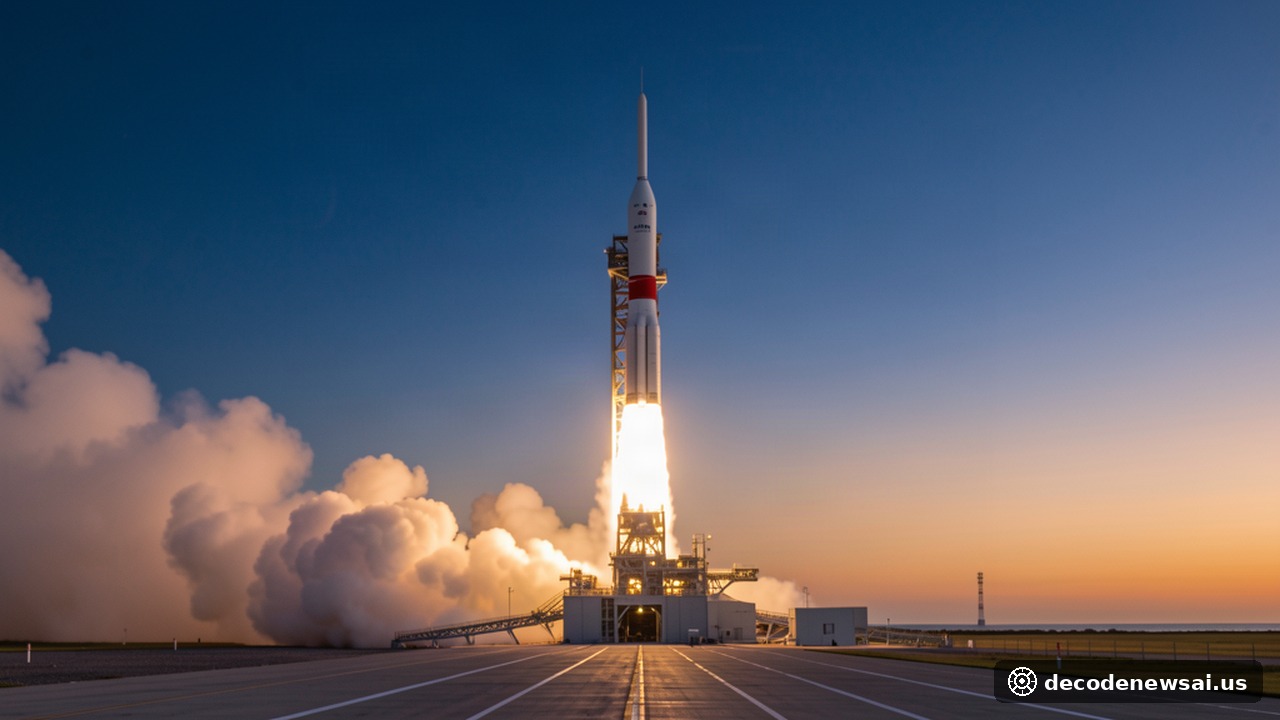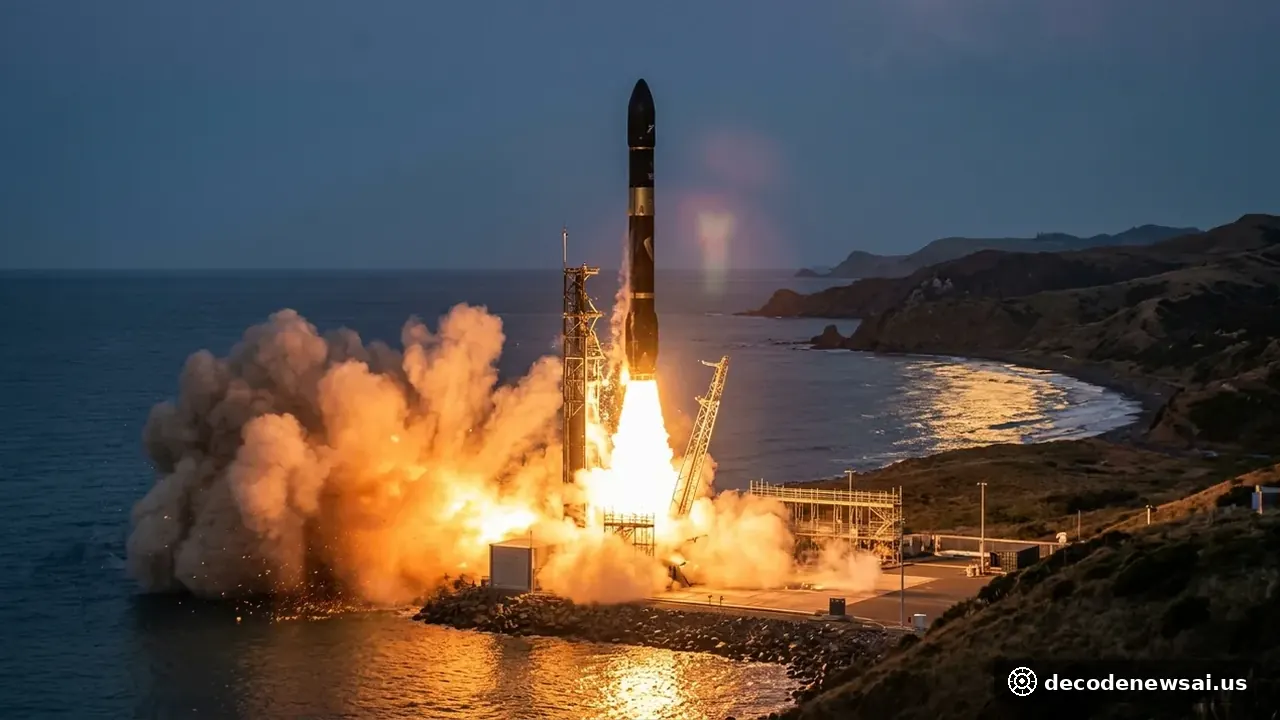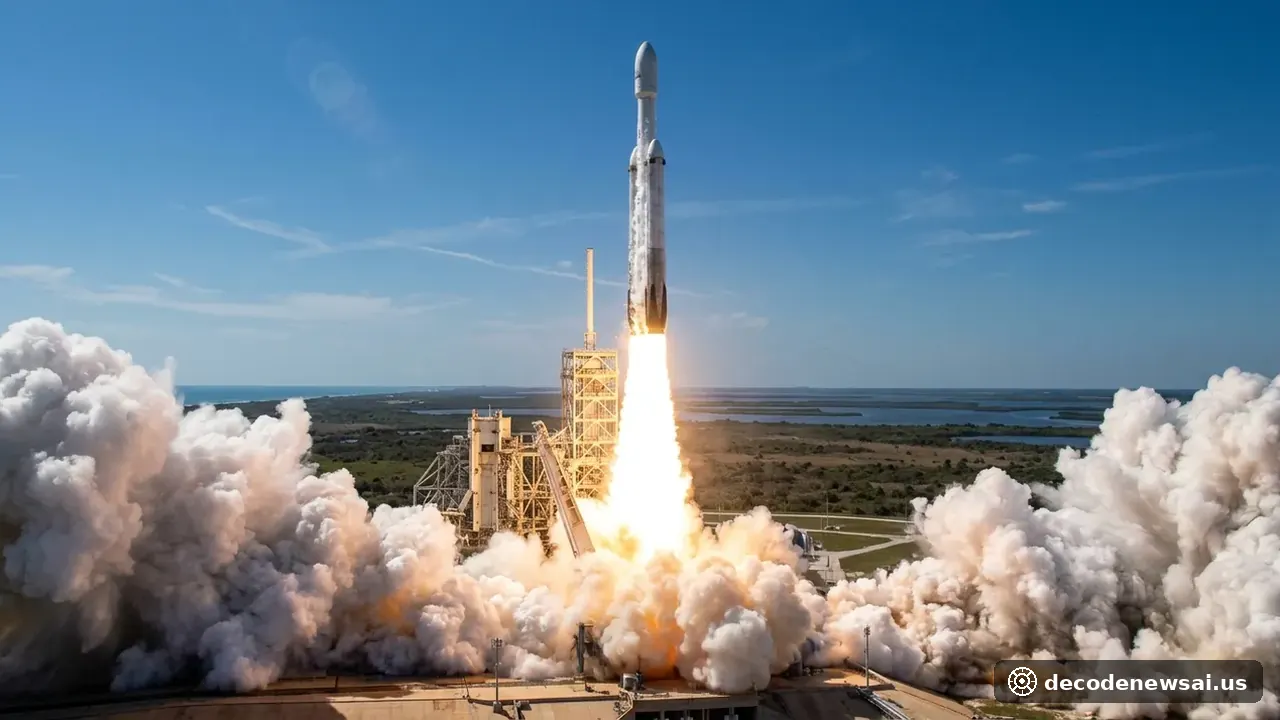
CAPE CANAVERAL, Fla. - United Launch Alliance's Vulcan rocket suffered an in-flight anomaly ten minutes after launch on Nov. 15, destroying forty Amazon broadband satellites bound for low Earth orbit.
Mission Setback Destroys 40 Broadband Internet Satellites
Vehicle Experienced Anomaly Ten Minutes Into Flight
The mission, designated Vulcan Leo 1, lifted off from Space Launch Complex 41 at Cape Canaveral Space Force Station at 12:40 p.m. Eastern Time on Sunday. "Based on data received by our Launch Director, we confirm that the Vulcan vehicle launched from Space Launch Complex 41 suffered an anomaly 10 minutes into the flight and failed to deliver the Amazon mission to orbit," company officials said in a public statement. The mishap represents the first outright mission failure in the launch provider's history since its founding as a joint venture in 2006.
Mission Setback Destroys 40 Broadband Internet Satellites
ULA Suspends Flights Pending Data Investigation
The lost payload comprised forty Amazon Leo internet satellites designed to establish a global satellite network rivaling SpaceX's commercial Starlink megaconstellation. Under a commercial agreement encompassing thirty-eight planned launches, Amazon contracted ULA to deploy roughly half of its initial 3,232-satellite constellation. The destructive failure removes forty operational satellites from Amazon's timeline and complicates mandatory Federal Communications Commission deployment milestones requiring half the constellation to operate by mid-2029.
Launch Provider Suspends Flights Pending Data Investigation
Engineering review teams from ULA and federal aerospace oversight bodies convened immediately after telemetry signals ceased to isolate the mechanical failure across upper flight stages. The critical operational setback threatens to ground upcoming Space Force national security missions that rely on Vulcan to replace retiring Atlas and Delta boosters. Independent space industry analysts note that prolonged grounding complicates national military launch logistics while rival commercial operators rapidly expand low Earth orbit infrastructure deployments.