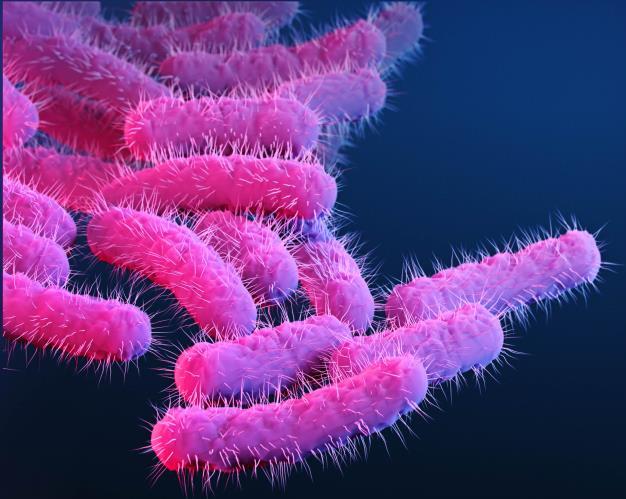
One of the most common causes of food poisoning in the United States is becoming a sexually transmitted disease. Shigella, the bacteria behind shigellosis — a severe diarrheal illness — has long been blamed on contaminated food and water. But a growing body of research shows it is spreading rapidly through sexual contact, with drug-resistant strains surging among certain populations in the US.
Sex is now a major transmission route
A study published in the CDC journal Emerging Infectious Diseases put striking numbers on the trend. Danish surveillance data from 2010–2018 found that men who have sex with men had 74 times higher odds of Shigella infection than controls — while Salmonella rates showed no significant difference, ruling out the theory that MSM simply eat more undercooked food. Campylobacter infection odds were 14 times higher in the MSM group.
It takes just 10 bacteria to get sick
"Add XDR shigellosis to the list"
"Although anyone can get Shigella, we see higher rates among gay, bisexual and other men who have sex with men, in part because it can be passed through sexual contact," said Dr. Jason Zucker of Columbia University Medical Center. Infectious-disease specialist Dr. William Schaffner of Vanderbilt warned that the summer social season demands extra caution: "Not only are we concerned about HIV and other sexually transmitted infections, but now we have to add XDR shigellosis to the list."
California's public health department issued a flyer in May with a memorable line: "Communication is sexy, diarrhea isn't — talk with your partners about any recent diarrhea, and wait to have sex to prevent the spread."
Researchers add another warning: Shigella's resistance genes can potentially jump to other gut bacteria, multiplying the danger. There is no vaccine. The practical advice from experts: seek care promptly for diarrhea and fever, use lab testing to guide treatment, and report XDR cases quickly — so each outbreak can be stopped before it spreads.