1.34-inch screen and a real side button
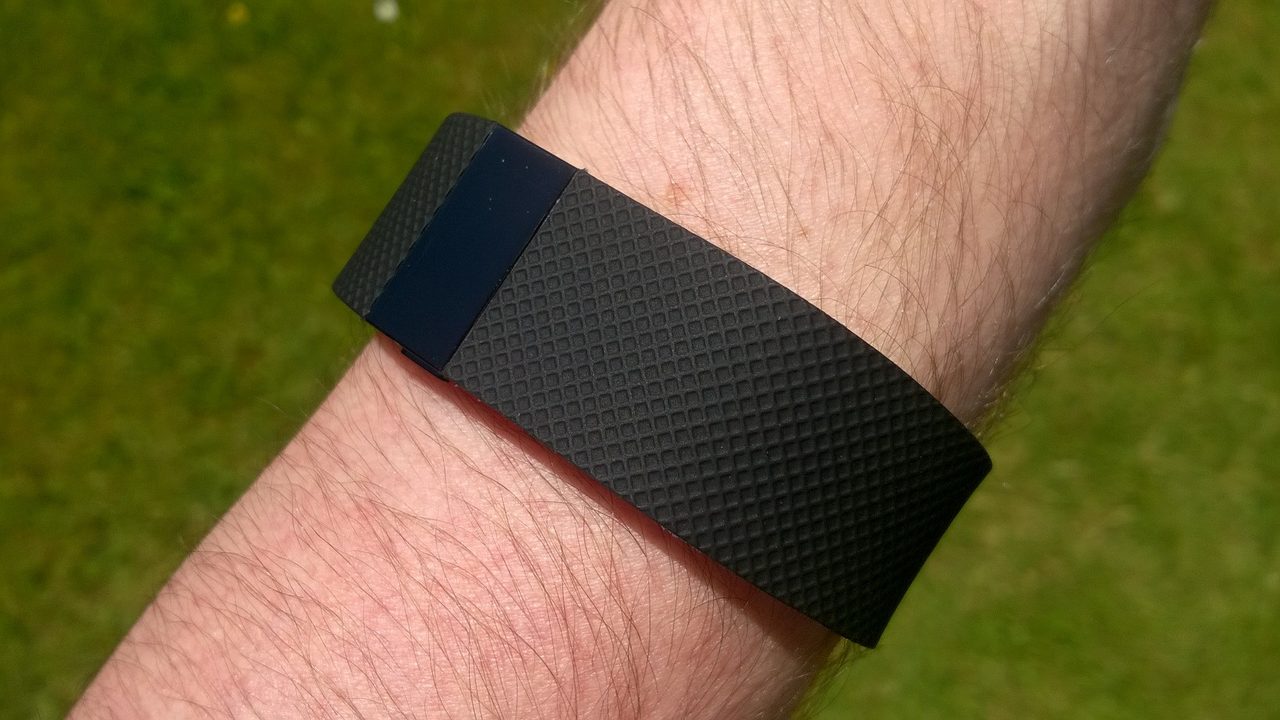
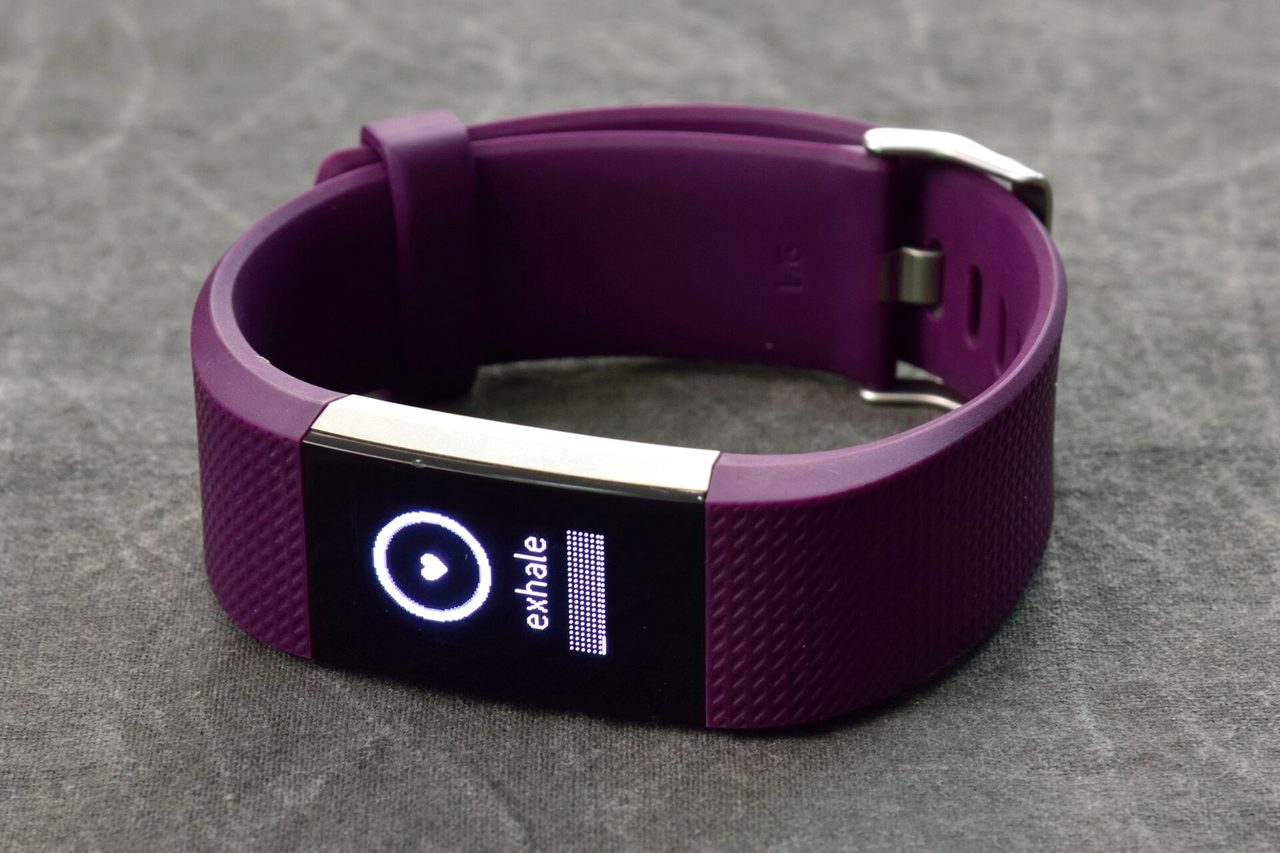
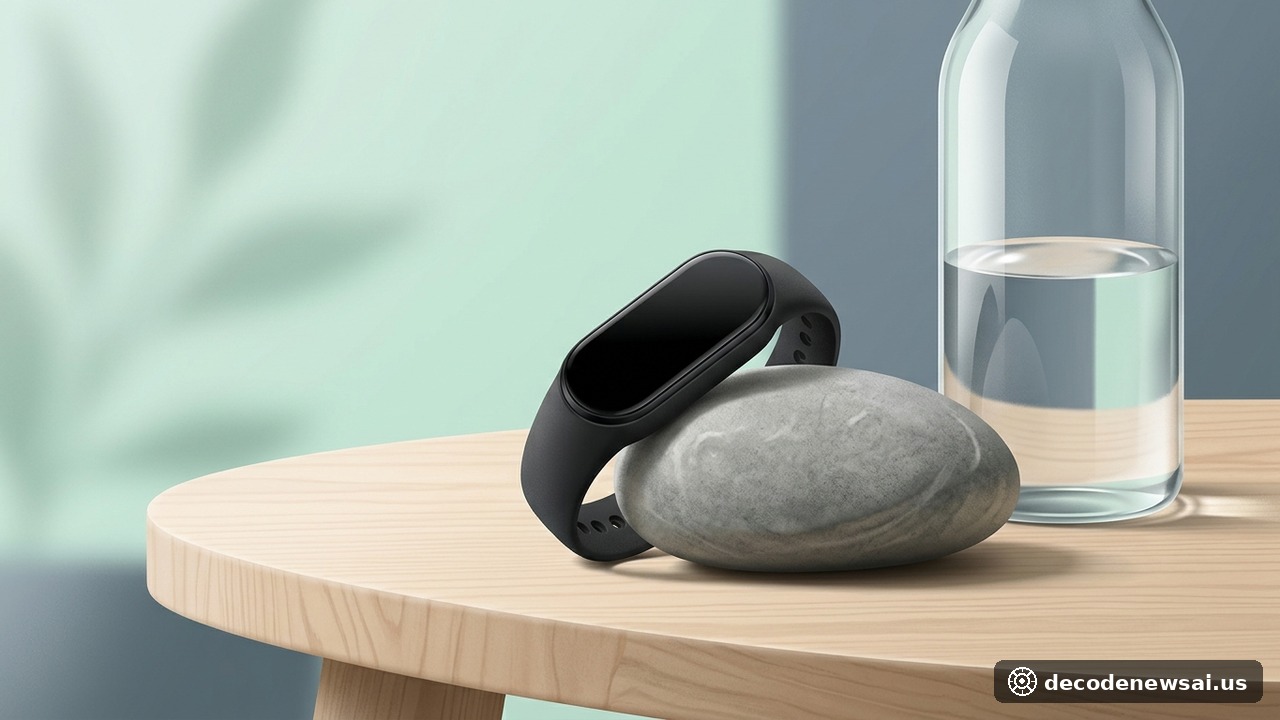
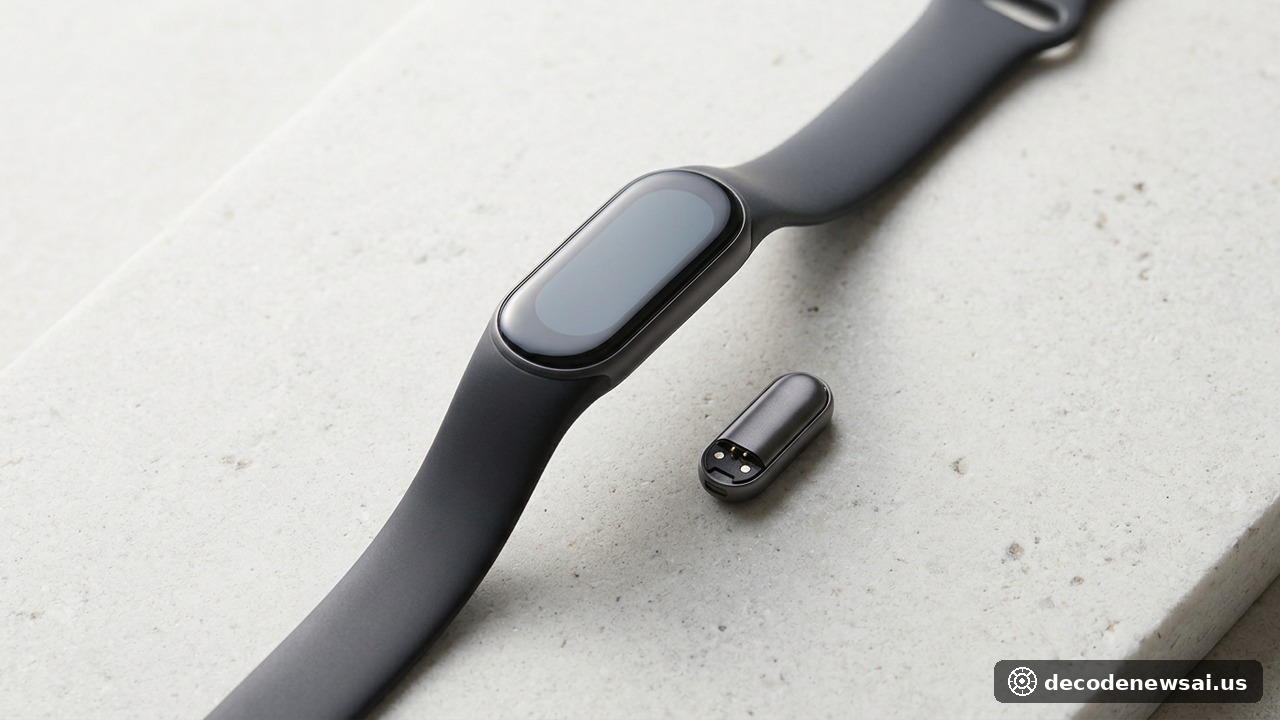
The Edge carries a 1.34-inch pill-shaped hybrid OLED panel under Gorilla Glass 3, which Google says offers 46 percent more viewable area than the Charge 6's 1.04-inch display, with an always-on option. A physical side button replaces the Charge 6's capacitive strip for workouts and menus — a Garmin-like touch, per TechRadar. The body measures 11.5mm thick, weighs 17.7 grams without the band, is built from 100% recycled aluminium and carries IP68 plus 5ATM ratings. Google claims the case is 45% lighter than an Apple Watch.
First repairable Fitbit, but not quite DIY
Google calls the Edge its first repairable tracker, with a modular interior and a replaceable battery — a first for a brand that previously offered no repair path beyond warranty replacement. Wired called the battery user-replaceable and linked the timing to EU rules taking effect February 18, 2027, requiring portable batteries to be readily removable by end users. Ars Technica pushed back: replaceable does not necessarily mean user-replaceable, and Google still advises against opening the device yourself. Android Authority noted battery-only replacement — no screen swaps like the Pixel Watch 4 — with no self-repair kits or guides promised.
Seven days, and five minutes buys a day
Google rates battery life at seven days with always-on display off, roughly two with it enabled. The 65mAh cell charges fully in 90 minutes; a five-minute top-up delivers a full day. The seven-day figure matches the previous generation but remains the Edge's biggest advantage over the Pixel Watch. Sensors include ECG, SpO2, skin temperature, optical heart rate, an altimeter and a new GPS chipset Google claims is 40% more accurate than the Charge 6's, plus 15% better sleep staging. It is not the Pixel Watch 5's dual-band GPS radio.
Health Guardian comes down from the Pixel Watch
Health Guardian, introduced on the Pixel Watch over the summer, arrives on the Fitbit Air and the Fitbit Edge later this month for Google Health Premium subscribers. It covers blood pressure trends, insulin resistance trends, ECG readings for atrial fibrillation, high and low heart rate alerts and 24/7 heart-rate monitoring. Google also expanded automatic activity tracking, saying the updated model uses movement, routines, manual edits and location context and "cut missed workouts by more than half" in testing. The Edge auto-detects up to 100 activities and supports more than 50 exercise modes.
The AI coach stays behind a paywall
No NFC, no calls, no Wi-Fi
The omissions drew the sharpest coverage. CNET called the missing NFC "an odd omission," since the Charge 6 supported Google Wallet tap-to-pay; TechAdvisor listed NFC first among three key Charge 6 features the Edge drops. With no microphone or speaker, incoming calls appear on screen but cannot be answered. Android Authority added single-frequency GPS and no Wi-Fi, so Pixel Watch 5 owners downgrading will notice the location and payment gaps. Google Maps turn-by-turn navigation is promised later this year.
Squeezed between the Air and the Pixel Watch 5
The positioning is deliberate segmentation: the Fitbit Air, launched in May with the redesigned Google Health app, serves people wanting an invisible wearable; the Pixel Watch 5 serves full-smartwatch users; the Edge targets smartwatch-fatigued users who still want notifications and splits at a glance. It is also a distribution vehicle for the health platform — Bloomberg noted the Edge promotes the May-debuted app, free to use with Premium unlocking the AI coach. ZDNet said it fixes the Pixel Watch's bulk; Android Police called it too ugly for 24/7 wear.
The Charge line is being retired
Quartz and Yahoo Finance both reported that Google is ending the Charge series, with the 2023 Charge 6 as the last model; DC Rainmaker wrote plainly that there will be no Fitbit Charge 7. For existing owners, accessories, repairs and software support will all pivot toward the Edge. Fitbit bands had long been treated as disposable hardware, and the replaceable battery is the first time Google has argued for keeping one of these on the wrist for years — though Wired cautioned that repair options will vary by region.