Taiwan Signs On for 20 Years of Alaska Gas — But the Contract Is Still Unsigned
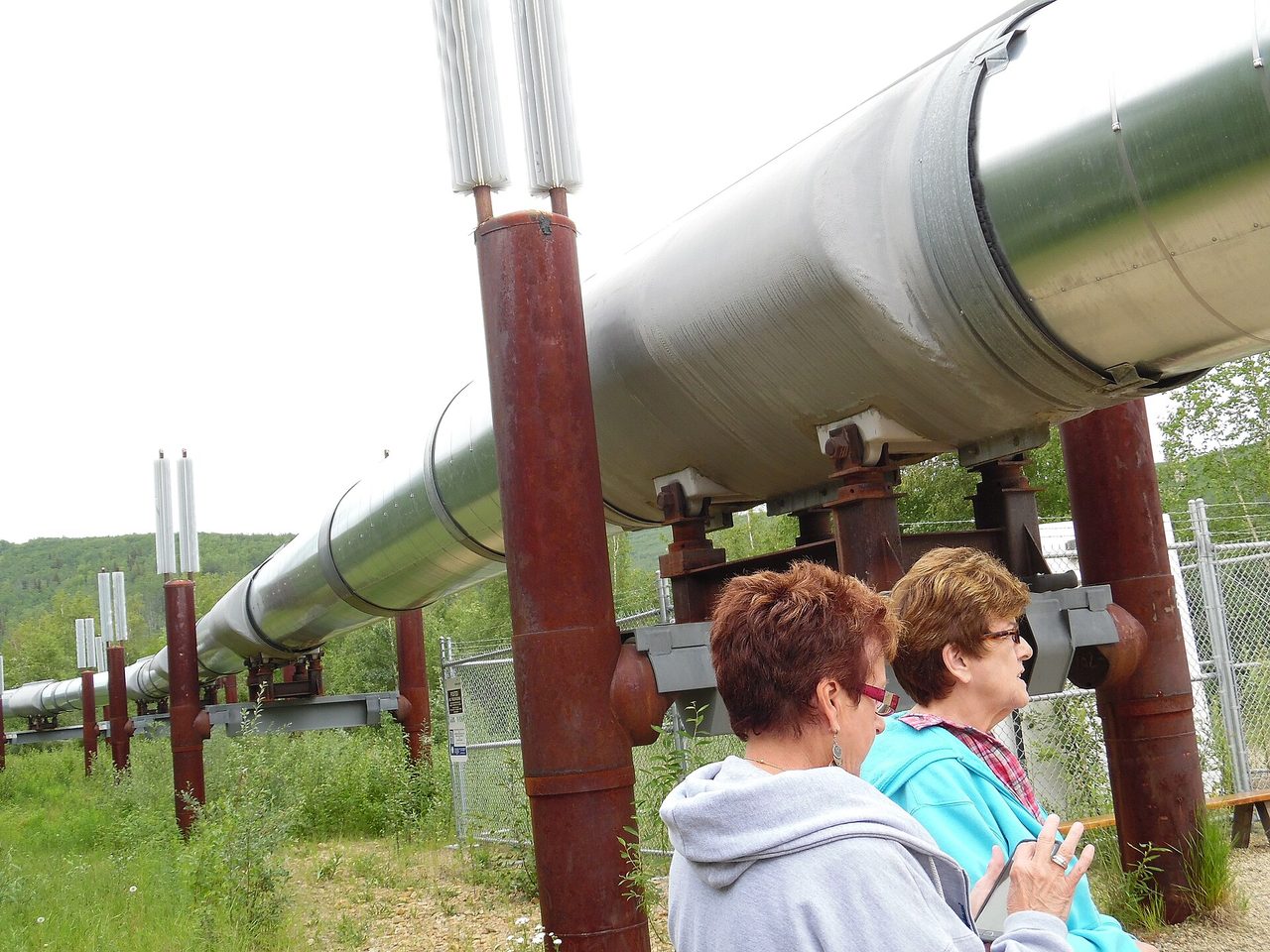
Photo: Leonid Berger / CC BY-SA 4.0 · via Wikimedia Commons
Taiwan Signs On for 20 Years of Alaska Gas — But the Contract Is Still Unsigned
Trump Made the Announcement at an Alaska Rally
US President Donald Trump told a Republican National Committee rally in Wasilla, Alaska, on October 13 that Taiwan had agreed to buy 30% of the gas coming off the proposed Alaska pipeline for the next 20 years. "That guarantees a success," he said. Commerce Secretary Howard Lutnick, who also appeared at the rally, said Taiwan has committed $4.4 billion to the development of the pipeline. Reuters, which filed the story from Wasilla, and several other outlets noted that the terms of the deal were not immediately clear.
Taipei Confirmed Progress, Not a Signed Deal
Taiwan's Ministry of Economic Affairs, which runs energy policy, initially had no immediate comment, then issued a statement describing the negotiations as progressing. Under the plan, state-owned CPC Corp would buy 6 million tonnes of Alaska LNG a year once production begins and participate in development with an estimated investment of up to $4.4 billion, the ministry said. Both points track a letter of intent signed last year, and final contracts have yet to be agreed. In short, Taipei did not contradict Trump; it just stopped short of confirming a deal.
The Figures Reconcile With the Capacity Target
The arithmetic works. The project is designed to export up to 20 million metric tons of superchilled gas a year, and 30% of 20 million is the 6 million tonnes CPC has said it plans to buy. Alaska's governor said last year that Taiwan signed a letter of intent for that volume. Presidential Office Secretary-General Pan Men-an visited the project site, and President Lai Ching-te said at the time of the original agreement that the investment would ensure Taiwan's energy security.
Gas Now Fuels Half of Taiwan's Power
The demand side explains the ambition. Natural gas accounted for 50.5% of Taiwan's electricity as of July 2026, up from 30.6% in 2015, and every cubic meter is imported as LNG. Deliveries reached 23.6 million tonnes in 2025, up 9% year on year, and 16.3 million tonnes in the first eight months of 2026, 6% above the same period a year earlier. Official data show about 38% of supply comes from Australia, 25% from Qatar and just under 10% from the United States, while imports satisfy more than 90% of Taiwan's energy needs. The economics ministry projects average electricity demand growth of about 2.5% a year through 2035 — the second-highest forecast in its history and faster than Japan and South Korea.
Reducing the Trade Surplus Is Part of the Point
The energy story is also a trade story. Taiwan has pledged to ramp up purchases of US goods, including energy, to shrink a surplus that has angered Washington. In February, Taiwanese officials said they would lift US natural gas to roughly a third of imported supply this year, cutting purchases elsewhere.
This Is the Costliest US Export Project Ever Proposed
Developer Glenfarne Group estimates the Alaska LNG project will cost $44.5 billion to $54.5 billion — roughly $2.2 billion to $2.7 billion per million tonnes of annual capacity, by far the highest of any US export project ever proposed. The North Slope treatment plant alone is put at $7.7 billion to $9.2 billion and the liquefaction terminal at $23.6 billion to $28.4 billion. Independent analysts reckon the total could top $60 billion. The 800-mile pipeline is to run from the North Slope to Nikiski, giving Asian buyers a route that avoids the Panama Canal and the trip around the Cape of Good Hope.
Three Million Tonnes of Offtake Are Still Missing
Buyer agreements currently cover 13 million tonnes a year, including deals with Asian buyers and France's TotalEnergies. The project needs another 3 million tonnes, and those accords must become binding contracts before financing can be lined up. The schedule calls for construction to start in late 2026, pipeline completion in 2028, first gas in 2029, a 2027 investment decision on the export facility and first LNG exports around 2031.
Seoul's $50 Billion Has Yet to Materialise
Trump has repeatedly claimed South Korea committed $50 billion on top of Taiwan's $4.4 billion, and warned on October 2 that he would "just charge them more" if Seoul did not sign. South Korea maintains that no investment decision has been finalised — the same gap between rhetoric and paperwork that now describes the Taiwan side.
What to Watch Next
Three things decide whether this becomes a real supply line: whether Taipei and Washington convert the letter of intent into binding contracts, whether the project secures the last 3 million tonnes and its financing, and whether costs come under control. Measured against Taiwan's 23.6 million tonnes of imports in 2025, 6 million tonnes from Alaska would be roughly a quarter of the total — a genuine diversification away from Australia and Qatar, but only if the gas ever flows.
Sources
- Reuters: Trump says Taiwan agrees to buy 30% of LNG from Alaska pipeline project
- CNBC: Taiwan agrees to buy 30% of gas from Alaska LNG project, Trump says
- Trump says Taiwan agrees to buy 30% of gas from Alaska pipeline
- Trump says Taiwan agrees to buy 30% of LNG from Alaska pipeline project
- Trump says Taiwan agrees to buy 30% of LNG from Alaska pipeline project