Google's $180 Fitbit Edge Puts a Screen Back on the Fitness Band
A 1.34-inch screen on an 11.5mm case
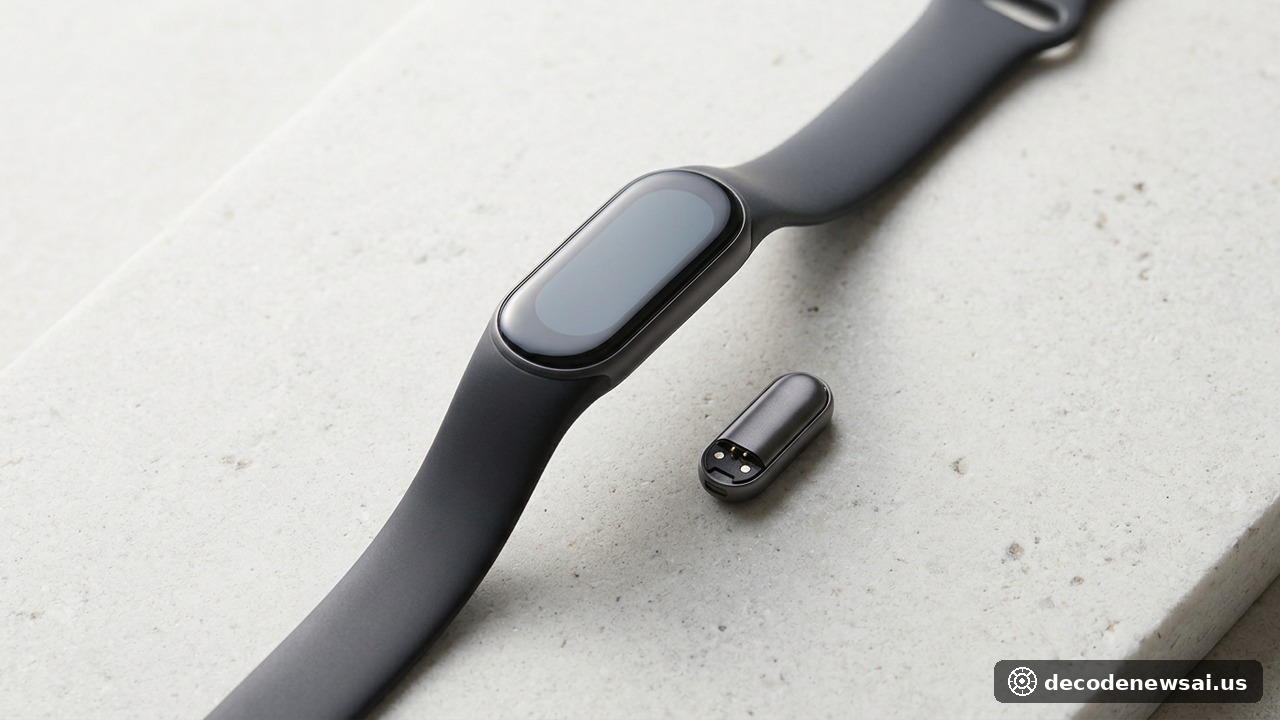
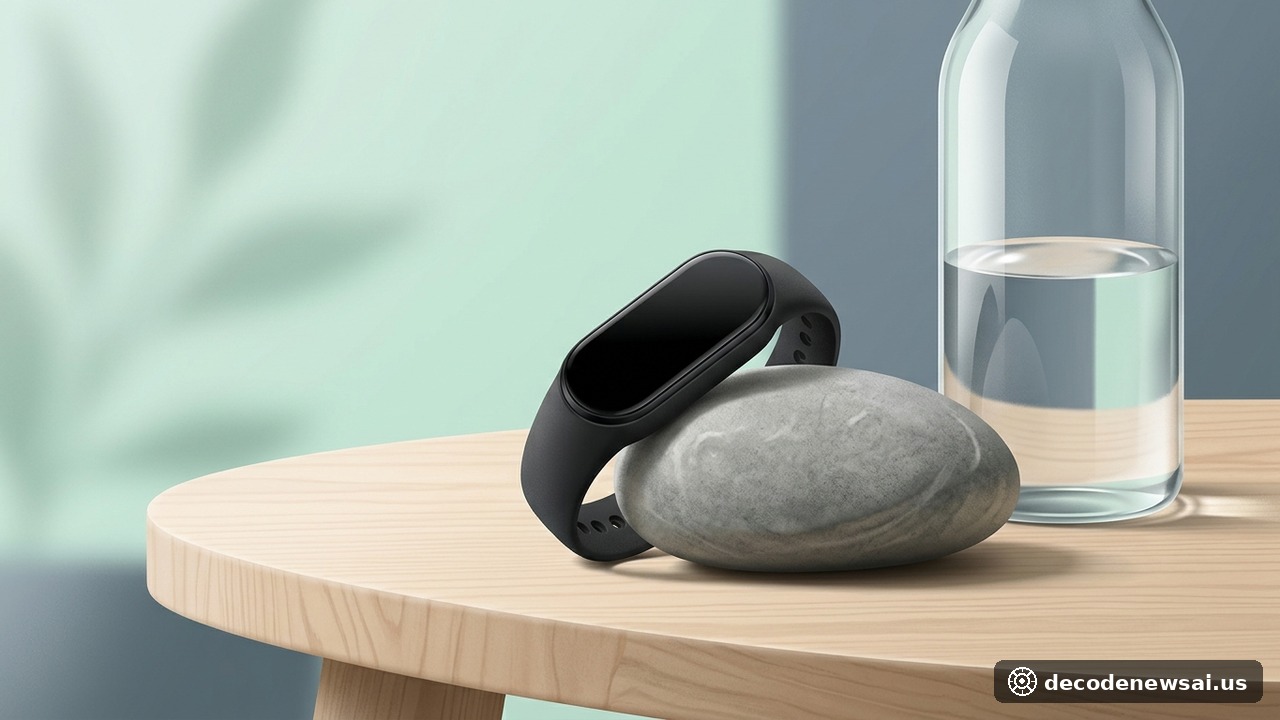
The Edge wears an oval 1.34-inch hybrid OLED panel with 46% more viewing area than earlier Fitbits, thin enough at 11.5mm to disappear under a cuff. A real clickable button sits on the right edge, replacing the haptic nub that Charge 6 owners learned to press twice. It comes in Obsidian, Olive, Canyon and Fog.
Seven days of battery, and one you can replace
Google rates the Edge at seven days with the always-on display off, dropping to roughly two days with it on. A full charge takes about 90 minutes, and five minutes on the charger buys a day of use. For the first time in a Fitbit, the battery itself is user-replaceable, and the device reuses the Fitbit Air's charger.
ECG, skin temperature and a monthly metabolic report
The gap Google says it is filling
"Many people are looking for a wearable that sits between an advanced smartwatch like Pixel Watch and the quiet simplicity of a band like Fitbit Air," the company wrote. Google's blog calls the Edge its "smartest fitness tracker ever." Engadget notes the company likens Health Guardian to "a check engine light for overall well-being."
Pre-orders now, shelves on October 27
Half a Pixel Watch, at half the price
The Pixel Watch 5 starts at $399; the Fitbit Air sells for $99.99. The Edge gives up NFC payments, the microphone and speaker, LTE and Wi-Fi, and on-device Gemini. It carries 64MB of storage, and Google Maps turn-by-turn arrives later this year. What it keeps is iPhone compatibility, which no Pixel Watch offers.
The Charge line ends at the Charge 6
Google confirmed the Charge family is finished; the 2023 Charge 6 was its last member. What remains is a three-tier shelf: Air for people who want nothing on their wrist but a sensor, Edge for a glanceable middle, Pixel Watch for the full smartwatch.
Hardware as a subscription funnel
The Edge exists to feed an ecosystem Google rebuilt in May, when it replaced the Fitbit app experience with a redesigned Google Health app and moved advanced coaching behind Premium. The market is receptive: Circana data cited by Dow Jones shows fitness tracker purchases up 88% between 2024 and 2025. Whoop and Oura sell screenless hardware with mandatory subscriptions; Apple and Garmin compete on features that work without one.
Reviewers call it a Pixel Watch Lite
9to5Google's hands-on is titled "Pixel Watch Lite, take two." The Verge frames it for people who don't want to go fully screenless. ZDNET credits it with fixing its author's main complaint about the Pixel Watch. Forbes counters that NFC, stress tracking and launch-day Maps navigation are all missing. Android Police argues the Edge sits so squarely in the middle that it "misses the point of both." Tom's Guide offers five reasons to buy and two to skip.
What happens after October 27
Full reviews land around launch. Health Guardian reaches the Air and Edge later this month, and the Flo Health cycle-data integration is slated for early next year. The commercial test is the holiday quarter: whether a $180 band that cannot tap to pay persuades Charge loyalists to upgrade rather than drift to a ring or a rival watch.