Japan Launches Five-Year Bid to Bring Home a Piece of Phobos
H3 roars off Tanegashima before dawn
JAXA hails first-ever attempt, NASA cheers on
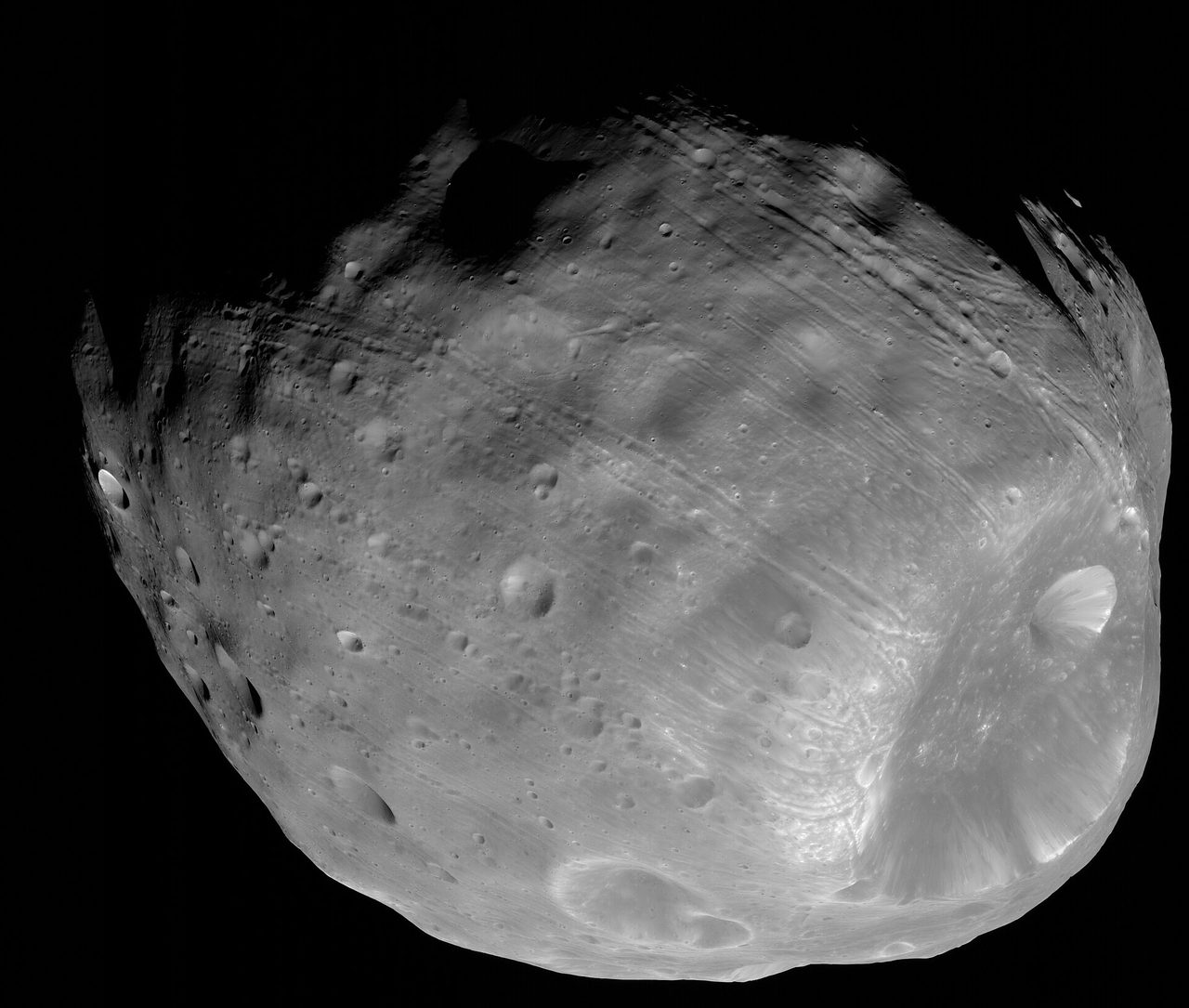
JAXA President Hiroshi Yamakawa said a five-year journey had just started. Science minister Yoshihiro Seki called MMX a challenging mission aiming for the world's first sample return from the Martian moons, saying he hoped results would advance Japanese space science and exploration technology. Nicky Fox, associate administrator of NASA's Science Mission Directorate, said in a message carried on the JAXA livestream that MMX samples would bring paradigm-shifting science on the Mars system for generations, especially as NASA prepares to send astronauts to Mars.
Two moons of mysterious birth drive the science
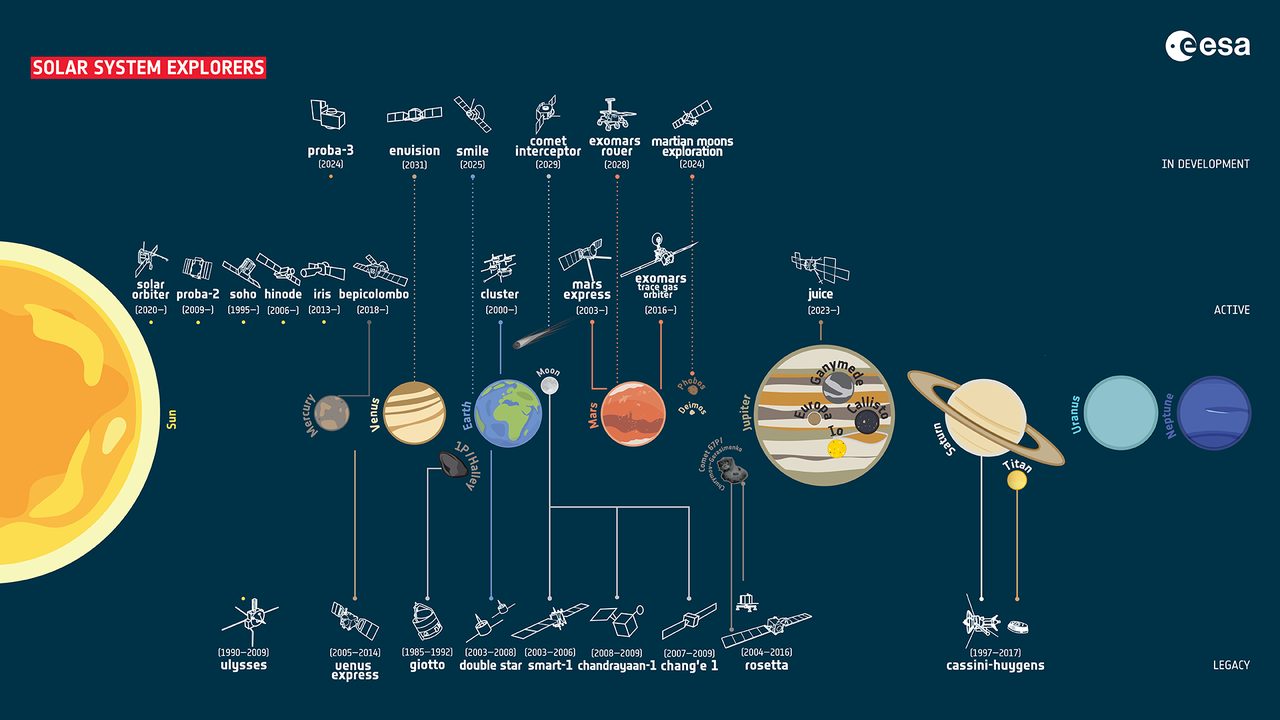
An international spacecraft built to go and return
JAXA leads MMX with NASA, the European Space Agency, France's CNES and the German Aerospace Center. The spacecraft has three modules for cruise, landing and return. France and Germany supplied Idefix, a 25-kilogram rover about the size of a large shoebox, designed to drop from 40 to 100 meters, right itself and drive for up to 100 days in gravity less than one-thousandth of Earth's. NASA supplied an air-powered sampler built by Honeybee Robotics, a spectrometer from Johns Hopkins APL and Deep Space Network support, and will receive at least 15 percent of the planned 10-gram sample for curation at Johnson Space Center in Houston.