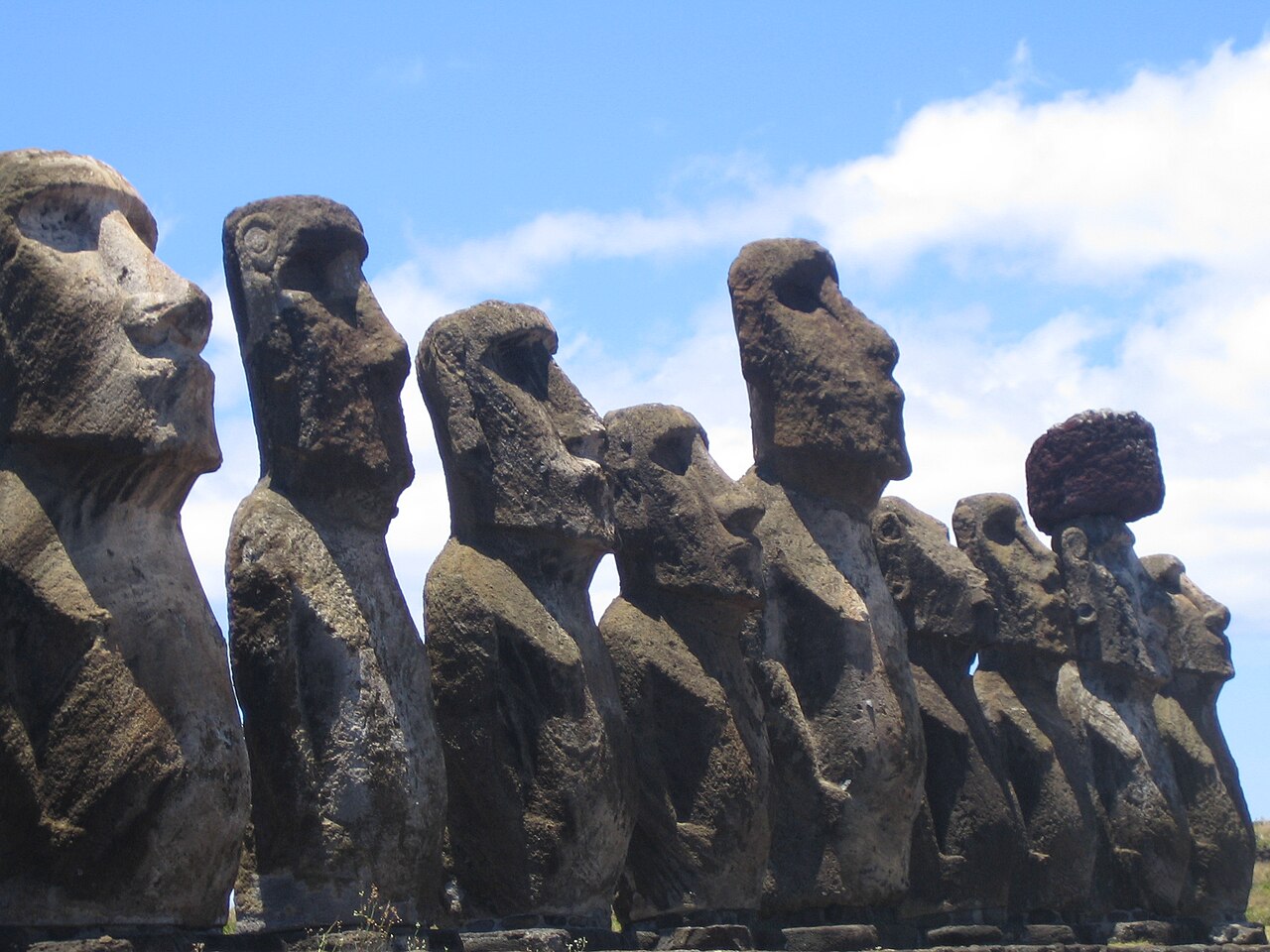
Voyagers from Easter Island Reached Hawaii First, DNA Shows
A 4,400-Mile Canoe Voyage Rewrites Settlement History
A band of seafarers from Easter Island, also called Rapa Nui, set off in double-hulled sailing canoes across the Pacific and landed more than 4,400 miles (7,100 km) away in Hawaii, the only Polynesian island in the Northern Hemisphere. According to Reuters reporting on October 20, new genetic research has determined that Native Hawaiians are more closely related to the people of Easter Island than to any other Polynesian population, pointing to Easter Islanders as the founding population of Hawaii and its first human settlers.
Whole Genomes Become Family Trees of Islands
Sixty-One Percent of Trees Pair Hawaii With Rapa Nui
A Two-Step Journey Through Thirteenth-Century Pacific
The data sketch a two-leg odyssey. People from Mangareva in French Polynesia sailed more than 1,500 miles (2,400 km) to settle Easter Island in the 1200s, and a subset of them later pushed on to Hawaii, most likely within the same century. The voyagers carried bananas, taro and sweet potato along with chickens in their canoes, seeking resource-rich new islands to settle. The researchers attribute these crossings to an ultravoyaging population they call Holomoana Nui, Hawaiian for "great ocean voyaging," with Hawaii as the final destination reached.