New North Carolina Mail-Ballot Rules Survive Midterms: Federal Judge Declines to Block Them, Thousands of Ballots at Risk
Federal judge lets strict rules stand
North Carolina's new mail-in and absentee ballot rules will remain in effect through the 2026 midterm election. U.S. District Judge Thomas D. Schroeder, an appointee of President George W. Bush, issued a 72-page ruling Monday evening declining to block the changes, finding that voting had already begun and that it would be "infeasible" to alter the rules again. The plaintiffs — the North Carolina Alliance for Retired Americans, North Carolina Asian Americans Together, Down Home North Carolina and two voters — sued the state board and two county boards in September.
What the rules require: signature checks and sealed inner envelopes
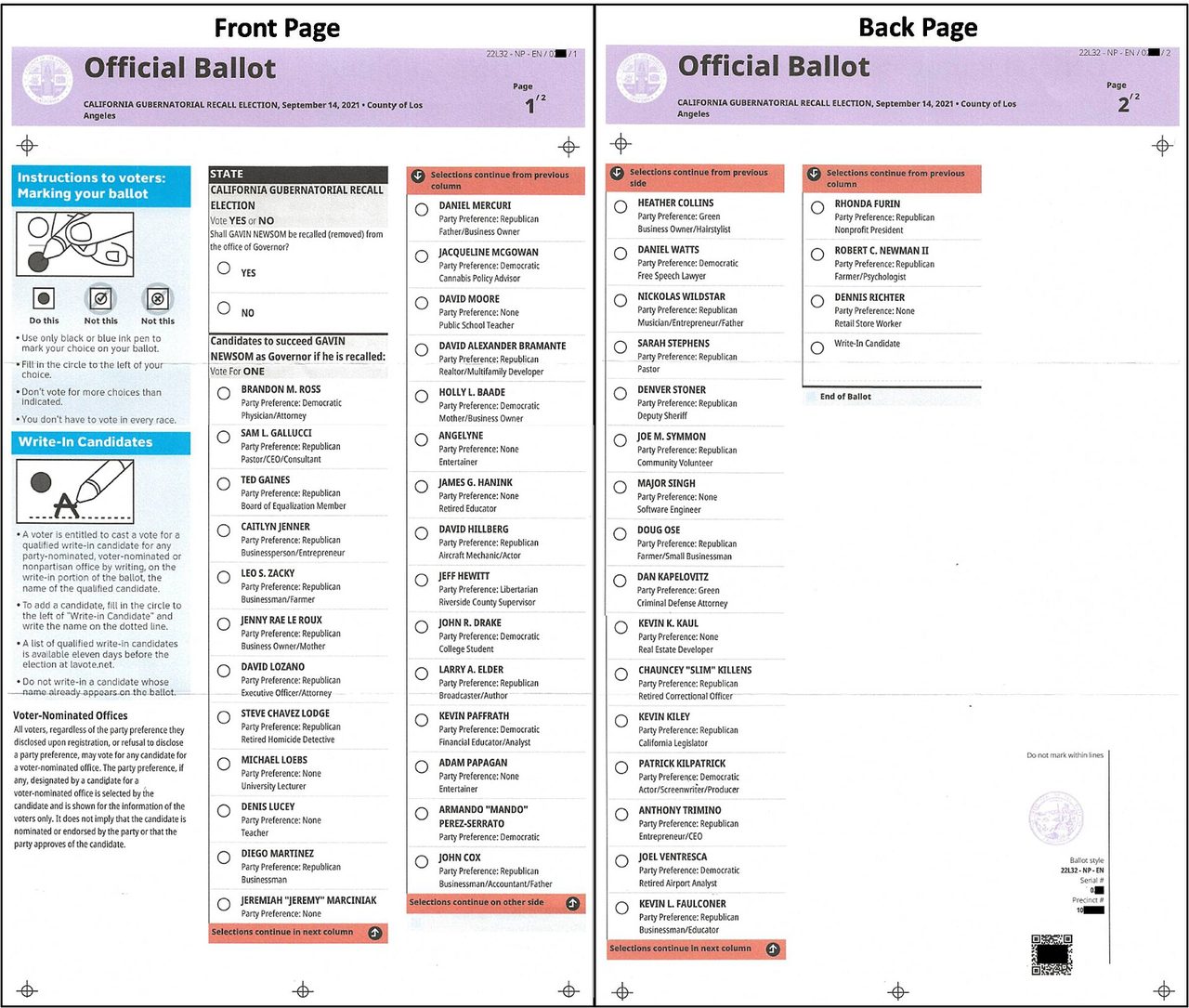
The State Board of Elections adopted the rules on Sept. 4 in a 3-2 party-line vote, the same day mail voting began, after the board shifted to a Republican majority in May 2025. Under the new procedures, county officials must verify signatures and spoil ballots where the signature does not clearly match the name on the voter's application — even when a voter uses a nickname, maiden name or initials. Ballots arriving in an unsealed inner envelope, or only in a sealed outer envelope, are no longer accepted.
Deadline: 7:30 p.m. on Election Day, no grace period
All absentee ballots must be received by the voter's county board of elections by 7:30 p.m. on Election Day, Tuesday, Nov. 3. Postmarks do not count and there is no grace period. The deadline to request an absentee ballot was 5 p.m. Tuesday, Oct. 20, with separate rules for military and overseas voters. State Board Executive Director Sam Hayes reminded voters not to assume mailing a ballot on Election Day would be sufficient.
Thousands of ballots likely rejected, Democratic strongholds hit hardest
Mail requests plunge 33%, Democrats fall most
Voters still have a chance to fix problems
Schroeder wrote that voters who fail to seal their ballot correctly may correct the mistake or vote in person during early voting or on Election Day, and that voters whose signature is rejected for "clear evidence" it is not their name may submit another ballot or vote in person. The State Board said voters can track ballot status through BallotTrax and contact their county elections office to cure a deficient ballot.