ARTICLE 19 Maps Payment Risks for Hong Kong Activists
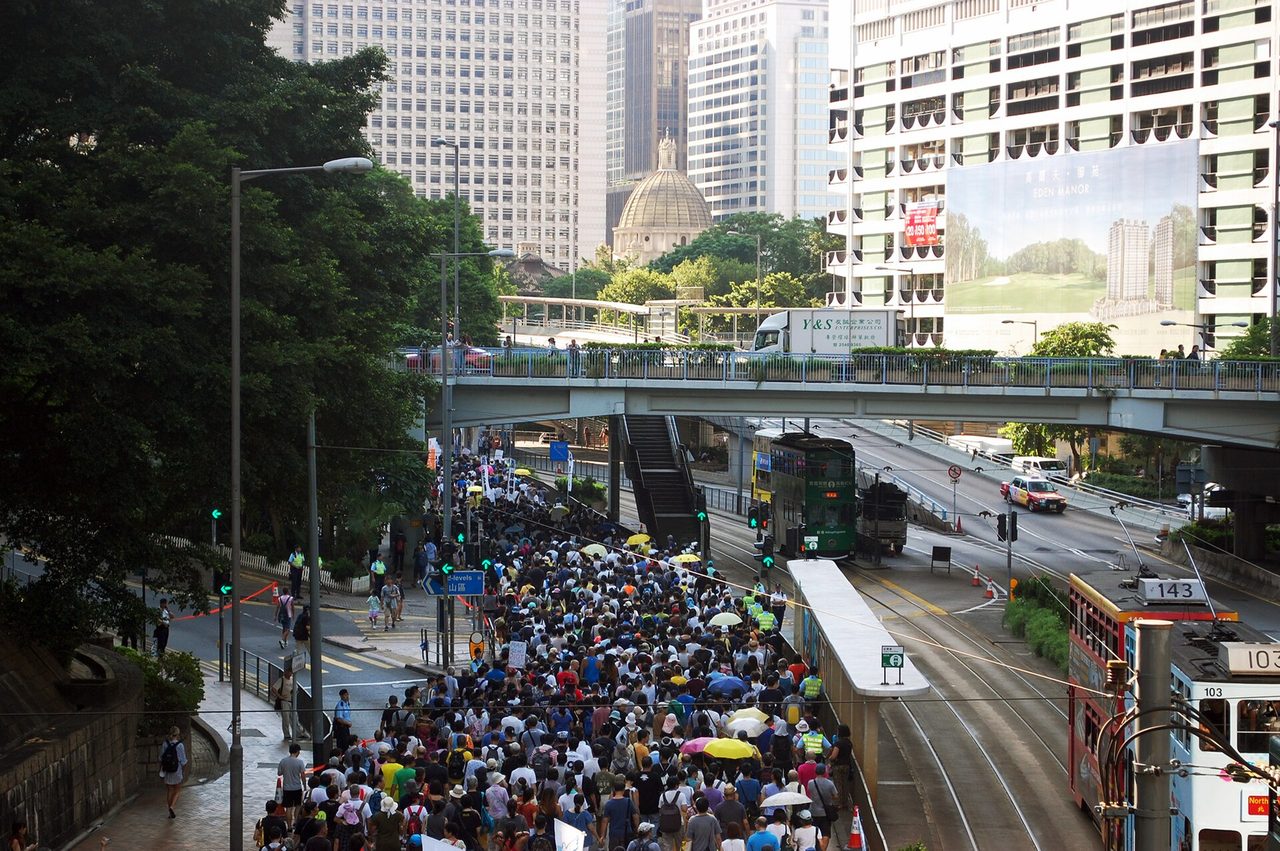
Photo: Citobun / CC BY-SA 4.0 · via Wikimedia Commons
ARTICLE 19 Maps Payment Risks for Hong Kong Activists
A practical guide rates 16 firms on data and disclosure
ARTICLE 19 has published a new handbook, Safeguarding payments, sustaining movements, examining how major payment companies collect, retain and share financial data and what activists can do to lower the risk of economic coercion and financial transnational repression. It reviews 16 payment companies against factors including what data is collected and kept, the rules for disclosure to law enforcement, whether the firm has a Hong Kong legal entity subject to heightened monitoring, its record of challenging government requests, and whether it publishes transparency reports. Five firms — MoneyGram, Visa, Wise, Western Union and PayPal — are rated "Higher Caution" for users concerned about surveillance by the Hong Kong government.
A closed Wise account shows the threat is real
The handbook opens with a case that is not hypothetical. In August, Finn Lau, a Hong Kong pro-democracy activist living in exile in the United Kingdom and founder of Points Media, found that UK-based Wise had closed his personal and business accounts without warning, leaving him unable to run the outlet's daily operations and support the diaspora community it serves. ARTICLE 19 presents the episode as exactly the kind of disruption the guide is designed to help activists prepare for.
Passports cancelled and funds banned for 16 abroad
The guide lands amid a wider crackdown on overseas Hong Kong activists. According to The Associated Press, Hong Kong authorities moved against 16 overseas-based activists previously covered by bounties, including banning financial support to them and cancelling passports for most of them. The 16 were among 19 people targeted with arrest warrants in July over alleged roles in Hong Kong Parliament, described by police as a subversive organisation abroad. The International Service for Human Rights notes that exiled activists including Carmen Lau and Anna Kwok carry HK$1 million bounties, with repression following them and their families overseas.
Hong Kong tightens oversight of unlicensed payment tools
Separately, Hong Kong is warning unlicensed payment platforms of enforcement. Acting Secretary for Financial Services and the Treasury Joseph Chan told the Legislative Council on 7 October that the Hong Kong Monetary Authority received 16 complaints about suspected unlicensed issuance or operation of stored-value facilities between January 2024 and September 2026, with one complaint upheld after investigation and no financial loss reported. The government said issuing or operating stored-value facilities without a licence is an offence unless an exemption applies, with the HKMA intervening directly and Customs acting against breaches of the money-service-operator licensing regime.
Built for Hong Kong, useful beyond it
ARTICLE 19 says that although the handbook was developed with Hong Kong activists, journalists and human rights defenders in mind, its findings matter for anyone facing account closures, fund restrictions or compelled disclosure. Practical steps include separating public-facing donation channels from personal accounts, minimising data footprints, choosing providers with stronger disclosure safeguards and published transparency reporting, keeping backup payment routes, and checking the legal basis before complying with information requests.
Sources
- ARTICLE 19: Hong Kong: New handbook helps activists navigate digital payment platforms - ARTICLE 19
- China Labour Bulletin: Hong Kong government says existing laws cover new payment platforms after complaints
- investin.news: Hong Kong warns unlicensed payment platforms of enforcement action
- crypto.news: Hong Kong warns unlicensed payment platforms of enforcement
- ISHR: HRC63: Hong Kong defenders highlight transnational repression as States renew concerns over China - ISHR