Supreme Court Keeps Immigration Judges From Shelving Deportation Cases
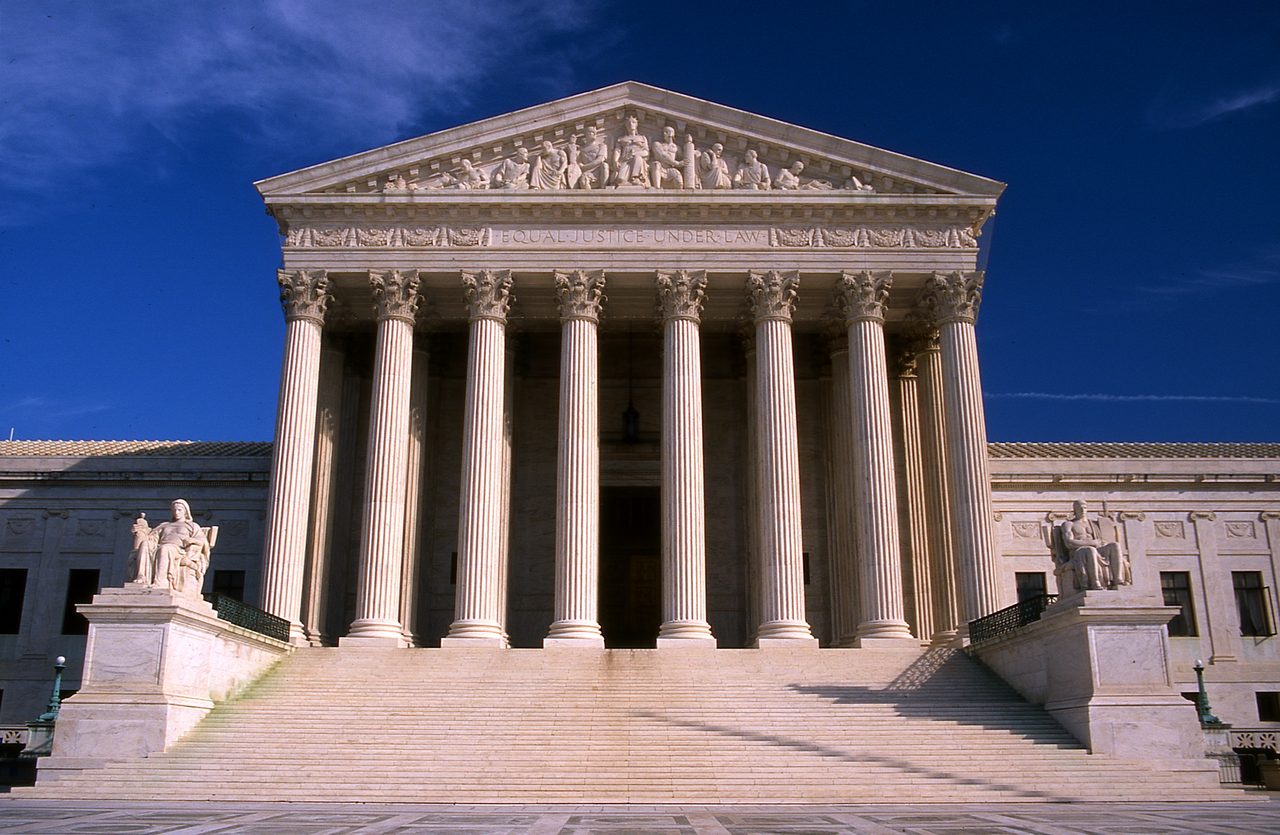
Photo: Jeff Kubina / Public domain · via Wikimedia Commons
Supreme Court Keeps Immigration Judges From Shelving Deportation Cases
One-Sentence Order Leaves the Ban in Place
The U.S. Supreme Court on October 27, 2026, declined to reinstate the authority of immigration judges to temporarily postpone deportation cases, keeping in place an agreement between President Donald Trump's administration and the state of Texas that bars the once-common practice. The justices denied an emergency request by three cities, including Baltimore, and an immigrant legal advocacy group to halt the deal ending the practice, known as "administrative closure," while litigation continues. According to SCOTUSblog, the decision came as a brief, unsigned, one-sentence order with no explanation and no noted dissents.
At Issue: A 2024 Rule That Let Judges Pause Cases
The regulation at the center of the dispute was adopted in 2024 by the Executive Office for Immigration Review, an arm of the Department of Justice. It gave immigration judges the authority to suspend deportation proceedings in some circumstances. Administrative closure does not terminate a case; it parks it, typically while a parallel immigration matter, such as an asylum application, a visa petition, or eligibility for relief, is resolved elsewhere.
Administration Joins Texas to Kill the Rule Nationwide
Texas argued in its lawsuit that the rule lets immigration judges "effectively grant indefinite amnesty to aliens illegally present in this country." The Trump administration and Texas then jointly asked U.S. District Judge Reed O'Connor in Wichita Falls, Texas, to approve an agreement declaring the Biden-era rule unlawful. Reuters reported that O'Connor did so, blocking the rule permanently and nationwide.
Three Cities and a Legal Aid Group Turned Away
Baltimore, New Haven, Connecticut, and Columbus, Ohio, along with the legal services provider Centro Legal de la Raza, sought to intervene in the case to defend the rule, but O'Connor rejected their bid. The cities say they all have substantial immigrant populations. Their emergency application to the Supreme Court asked the justices to pause the Texas-Justice Department agreement while the case proceeds. The Court said no.
Crackdown Fits a Broader Pattern of Tightening
The end of administrative closure did not come out of nowhere. In April 2025, EOIR Acting Director Owen issued Policy Memorandum 25-29, rescinding earlier internal guidance that had encouraged judges to use administrative closure as a docket-management tool, calling the prior guidance "factually or legally dubious." Separately, Parriva reported that on October 16 the Board of Immigration Appeals removed a presumption favoring continuances for people with pending U-visa petitions, directing judges to weigh good cause instead and treating a visa years away as a factor against more time.
Who Feels It: Immigrants in Limbo and Strained Courts
Administrative closure chiefly served people whose fate hinged on something pending outside immigration court: a visa queue, an asylum claim, or a path to relief. Without that safety valve, such cases must grind forward inside removal proceedings, raising the risk of deportation orders before parallel relief arrives. Immigration courts lose a pressure valve too, with dockets absorbing cases that once waited off-calendar. The challenging cities warn of fallout for immigrant communities and the local services that support them.
Merits Fight Now Moves to the Fifth Circuit
The Supreme Court's denial resolves only the emergency posture; the underlying challenge to the Texas-Justice Department agreement continues in the lower courts. For now, though, the nationwide bar on administrative closure stands, handing the Trump administration a judicial win for its deportation agenda. Immigrant advocates must now look to the appeals court to overturn the agreement on the merits, a longer and steeper road.
Sources
- U.S. News: US Supreme Court Denies Immigration Judges the Power to Shelve Deportation Cases
- SCOTUSblog: Court declines to restore Biden-era regulation allowing some deportation proceedings to be suspended
- GV Wire: Supreme Court Denies Immigration Judges the Power to Shelve Deportation Cases
- Parriva: Immigration Administrative Closure: Supreme Court Order