US Consumer Confidence Bounces Back as Cheaper Gas Offers Brief Relief
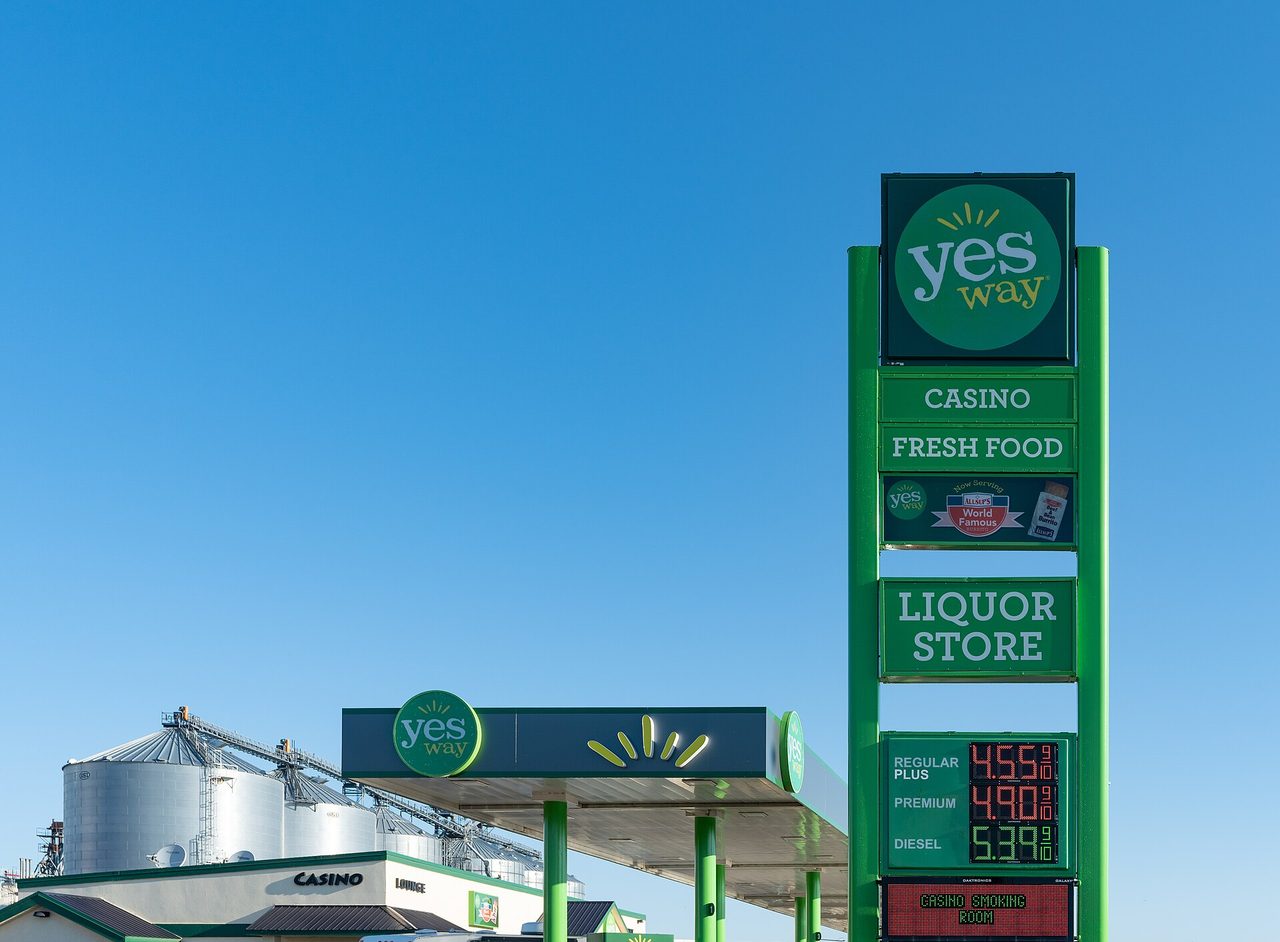
Photo: Tony Webster / CC BY 2.0 · via Wikimedia Commons
US Consumer Confidence Bounces Back as Cheaper Gas Offers Brief Relief
A 7.5-point rebound from a 12-year low
The Conference Board said on October 27 that its Consumer Confidence Index rose 7.5 points to 91.7 in October, up from 84.2 in September. September's reading was the weakest since April 2014 and sat below the pandemic-era low. The rebound beat expectations: economists polled by Reuters had penciled in a reading around 81.
Current conditions and expectations improved together
The Present Situation Index, which tracks views of current business and labor market conditions, climbed 8.6 points to 120.4 from 111.8. The Expectations Index rose 6.9 points to 72.6 from 65.7. The labor-market differential widened to positive 5.3 percentage points from positive 2.9. One caution flag: the share of consumers planning a vacation in the next six months slipped to 43.3% from 44.2%, suggesting wallets stayed shut.
Gasoline did the heavy lifting, but the trend still points down
"The recovery was in line with retail gasoline prices easing from September to October," said Fergus McCormick, senior economist for global indicators at the Conference Board. He added that confidence remains on the long-term downward trend of the past few years. Responses collected October 1-21 were still broadly pessimistic in tone, with frequent write-in complaints about the high cost of energy, goods and services.
$4.27 a gallon: relief at the pump, pain versus last year
AAA put the national average for regular gasoline at $4.27 a gallon on October 27, down from $4.48 a month earlier but far above the $3.05 of a year ago. In its October 22 update, AAA said the average had fallen 6 cents in a week to $4.27 on cheaper winter-blend fuel, while crude near $100 a barrel and instability around the Strait of Hormuz limited further declines. October is on track to be the most expensive October on record at the pump, after record August and September readings.
Inflation is still running hot underneath
The consumer price index rose 3.7% in the year to September, up from 3.4% in August, with a 0.6% monthly gain that was the largest in five months. The Federal Reserve's preferred gauge, the personal consumption expenditures price index, rose 3.4% in August from a year earlier, easing from 3.7% in July but above the 2.8% before the Iran war began on February 28 and the 2.5% of January 2025. Consumers' average 12-month inflation expectations eased but stayed elevated at 5.8%. Respondents still expected higher interest rates, with equities the lone bright spot: more expected stock prices to rise than fall.
A second survey tells a cooler story
The University of Michigan's consumer sentiment index was finalized at 48.0 for late October, up from a 46.3 preliminary reading but still a five-month low. Sentiment improved among Republicans and Democrats while independents soured. Year-ahead business conditions improved about 14% yet stood 16% below October 2025. The drop in current conditions came entirely from buying conditions for durable goods, down 18% on higher borrowing costs and affordability worries.
Who feels it: drivers breathe easier, big-ticket spending stays frozen
Lower pump prices directly ease commuting and delivery costs, real relief for car-dependent households. But rents, food and services kept rising, so the mood shift looks more like "less gloomy" than genuinely willing to spend. The Fed raised rates in September and was meeting October 27-28 on whether further hikes are needed, keeping pressure on credit-sensitive purchases such as cars and furniture.
What comes next: oil, the Fed, and the holiday test
Two things decide whether the bounce lasts: whether gasoline prices hold if crude or the Strait of Hormuz flares up again, and whether the Fed keeps tightening. The year-end holiday shopping season will show whether firmer confidence turns into actual spending or stays on paper.
Sources
- PR Newswire: US Consumer Confidence Increased in October
- finance.yahoo.com: US consumer confidence recovers in October as gas prices eased a bit
- WHBL: US consumer confidence improves in October
- The Hill: US consumer sentiment flatlines as inflation bites
- Trading Economics: US Consumer Sentiment Revised Higher but Remains Weak