HSBC's $9.6 Billion Quarter: Net Interest Income Does the Heavy Lifting While Wealth Stalls
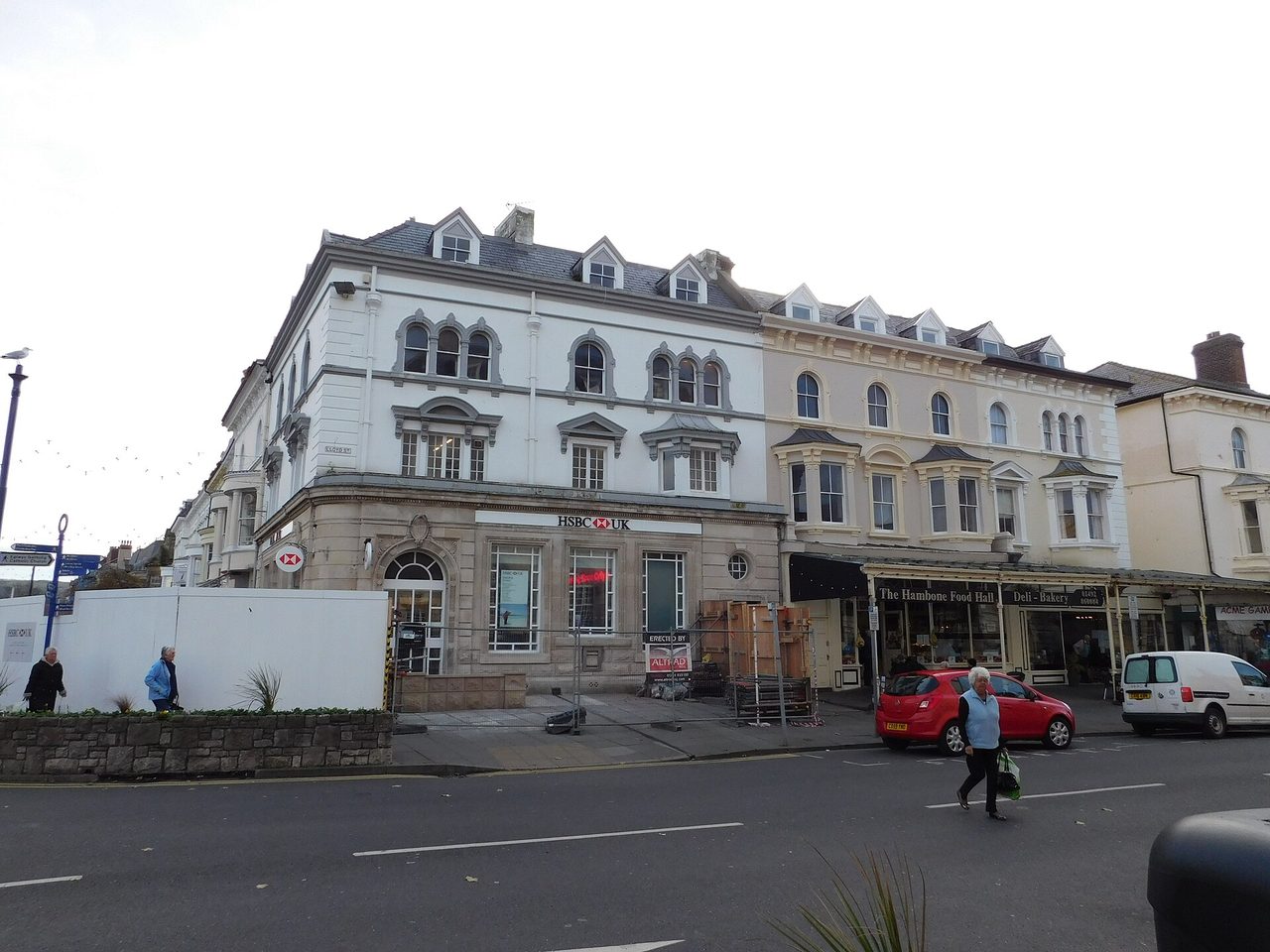
Photo: Paul the Archivist / CC BY-SA 4.0 · via Wikimedia Commons
HSBC's $9.6 Billion Quarter: Net Interest Income Does the Heavy Lifting While Wealth Stalls
Pretax profit jumps 32% to $9.6 billion, broadly in line
HSBC Holdings, Europe's largest bank, reported on October 27 a third-quarter pretax profit of $9.63 billion for July-September, up 32% from $7.30 billion a year earlier. The result landed just shy of the $9.69 billion average in the bank-compiled consensus estimates and the $9.7 billion Bloomberg poll figure — close enough that Reuters and CNBC called it in line, while others framed it as a narrow miss. Revenue rose about 5% to $18.6 billion from $17.8 billion, undershooting forecasts of roughly $18.93 billion to $19 billion.
Net interest income is the hero of the quarter
Net interest income — the gap between what the bank earns on loans and pays on deposits — rose 6%, or about $0.5 billion, to $9.3 billion. HSBC credited deposit balance growth and the reinvestment of its structural hedge at higher yields, partly offset by softer Markets Treasury income and a $0.1 billion one-off drag. Higher fee income from corporate and institutional banking added further support. Chief Executive Georges Elhedery said the performance showed clients "continue to turn to us to navigate uncertainty and seize new opportunities" in a more complex world, reflecting "consistent execution of our strategic priorities with pace, precision and discipline."
A flattering base and falling impairments
The 32% headline flatters somewhat: the increase owed much to a $1.4 billion net favourable swing in notable items, chiefly the non-recurrence of legal provisions booked in the third quarter of 2025. Expected credit losses tumbled 17% to $800 million, helped by lower charges linked to Hong Kong commercial real estate as well as the UK and Mexican businesses. Operating expenses fell 12%, and the bank said restructuring and disposals have saved $1.4 billion since 2025. Profit attributable to shareholders jumped 45.5% to $7 billion from $4.87 billion.
Wealth goes flat and the market punishes the shares
The weak spot was wealth management, the business HSBC promotes as a growth engine in Asia: revenue was flat at $2.7 billion, after year-on-year gains of 15% and 23% in the first two quarters. That disappointment, plus the revenue miss, sent HSBC shares down roughly 6% to 6.5% in London and Hong Kong trading to a six-month low, though the stock remains up about 11% year to date.
Buyback, dividend and reaffirmed targets
The board approved a third interim dividend of $0.10 per share and an additional share buyback of up to $1 billion — the same size as the previous quarter's — to be completed by the full-year 2026 results announcement. HSBC reaffirmed all its full-year targets: banking net interest income of at least $46 billion, return on average tangible equity of 17% or better excluding notable items (annualised RoTE was 17.7% in the quarter, 18.2% excluding notable items), expected credit losses of around 45 basis points of average gross loans, cost growth of about 1% on a target basis, and a CET1 ratio in the 14-14.5% range.
Rates and wealth will decide next quarter
Two variables will decide whether this momentum holds. First, interest rates: banking net interest income of $11.7 billion in the quarter underwrites the $46 billion full-year floor, and any dovish turn would test it. Second, wealth: if the division's stall proves more than a quarterly wobble, HSBC loses the fee-based growth story meant to balance its rate sensitivity. For now, cost discipline and cleaner credit are doing their share — the market's verdict, a 6% selloff on an in-line profit, says revenue quality is what matters next.